Most visitors to Istanbul eat three or four things (döner, baklava, Turkish delight, whatever the hotel serves at breakfast) and leave convinced they have seen the cuisine. They have not. Istanbul’s food culture is layered. Ottoman-court cooking. Greek and Armenian fish traditions. Balkan borrowings. Regional Anatolian dishes imported by migrants. A new wave of young chefs re-reading all of it. The real shortlist is wider than kebab.
Below is the list I send to friends. 18 dishes you can actually find, organized roughly by meal. If you only remember six names, make them manti, menemen, lakerda, kokoreç, künefe, and kuymak.
Breakfast
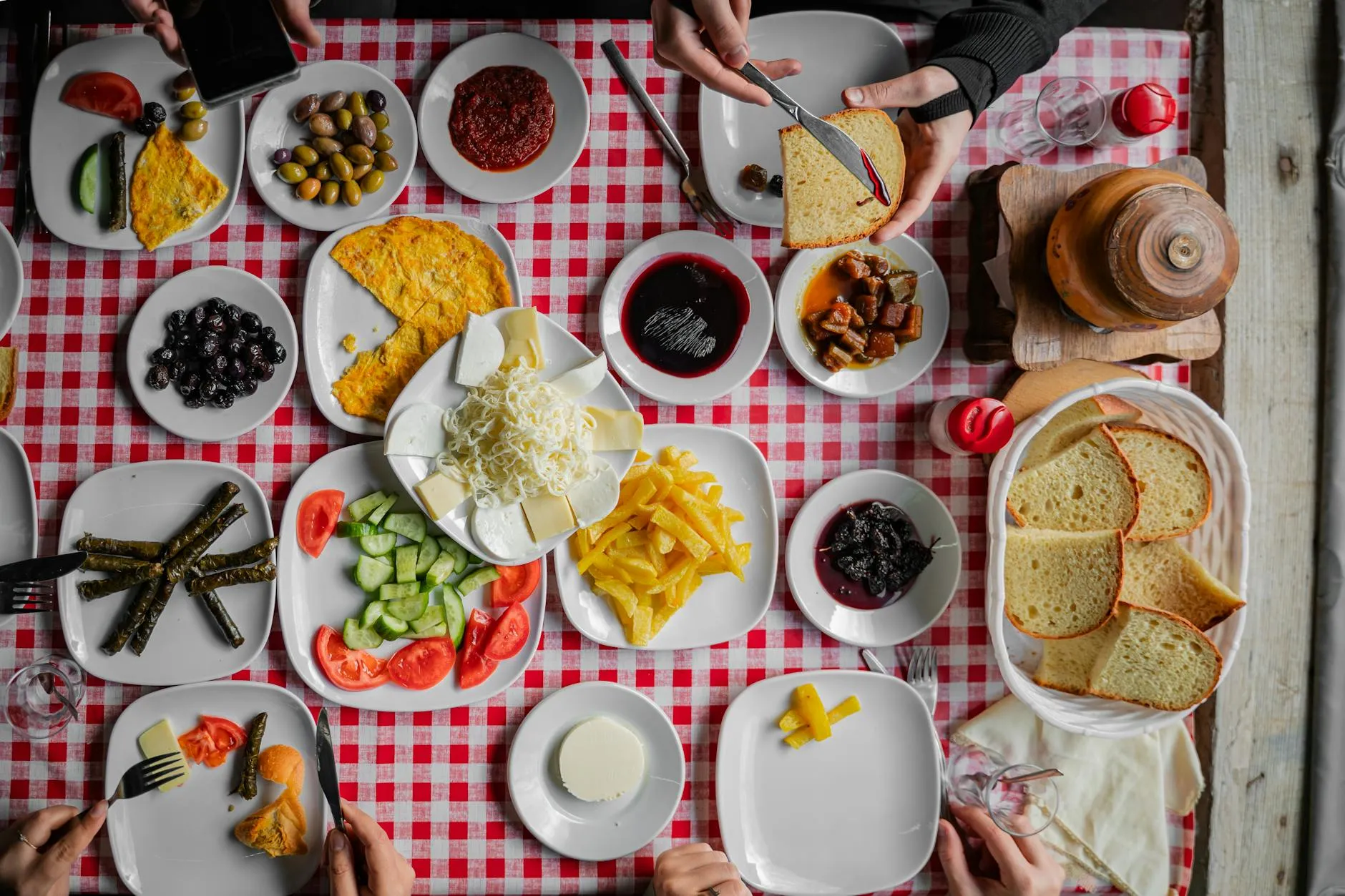
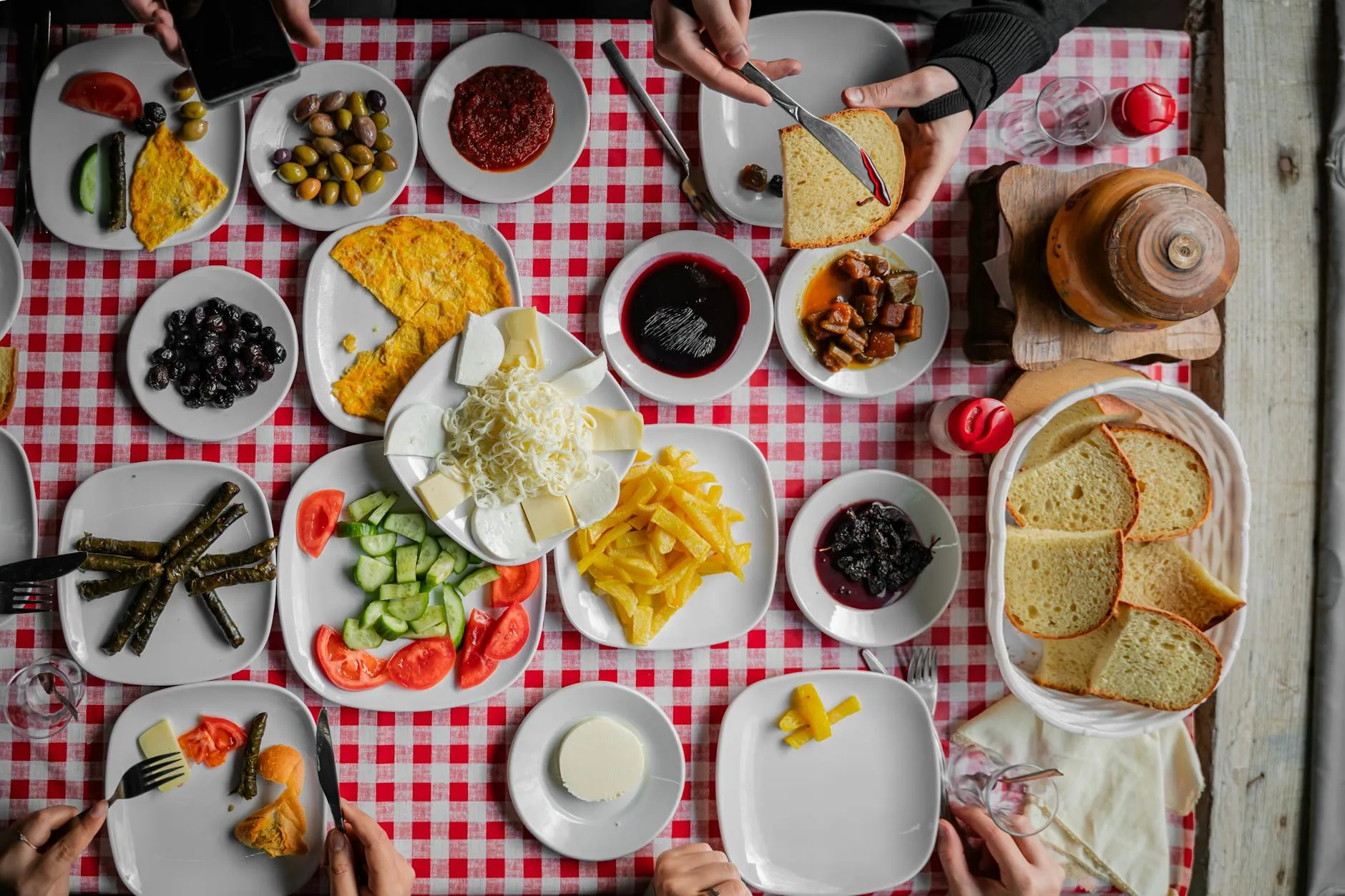
Serpme kahvaltı, overhead. Twenty-plus small plates and a table that keeps refilling. The standard weekend breakfast.
1. Menemen
Soft scrambled eggs cooked into a base of tomato, green pepper, and olive oil, sometimes with sucuk (dry spicy sausage). The texture should be loose, almost runny, not the dry “tomato omelet” that bad versions produce. Eat it straight from the pan with bread. Best at breakfast cafés in Moda and Beşiktaş.
2. Serpme kahvaltı (the spread)
Not a dish but a format. 15 to 25 small plates across the table. Cheeses, olives, cucumber, tomato, honey with clotted cream, jams, eggs, sucuk, bread, tea. A two-hour weekend commitment and the most pleasant way to start a day in Istanbul.
3. Su böreği
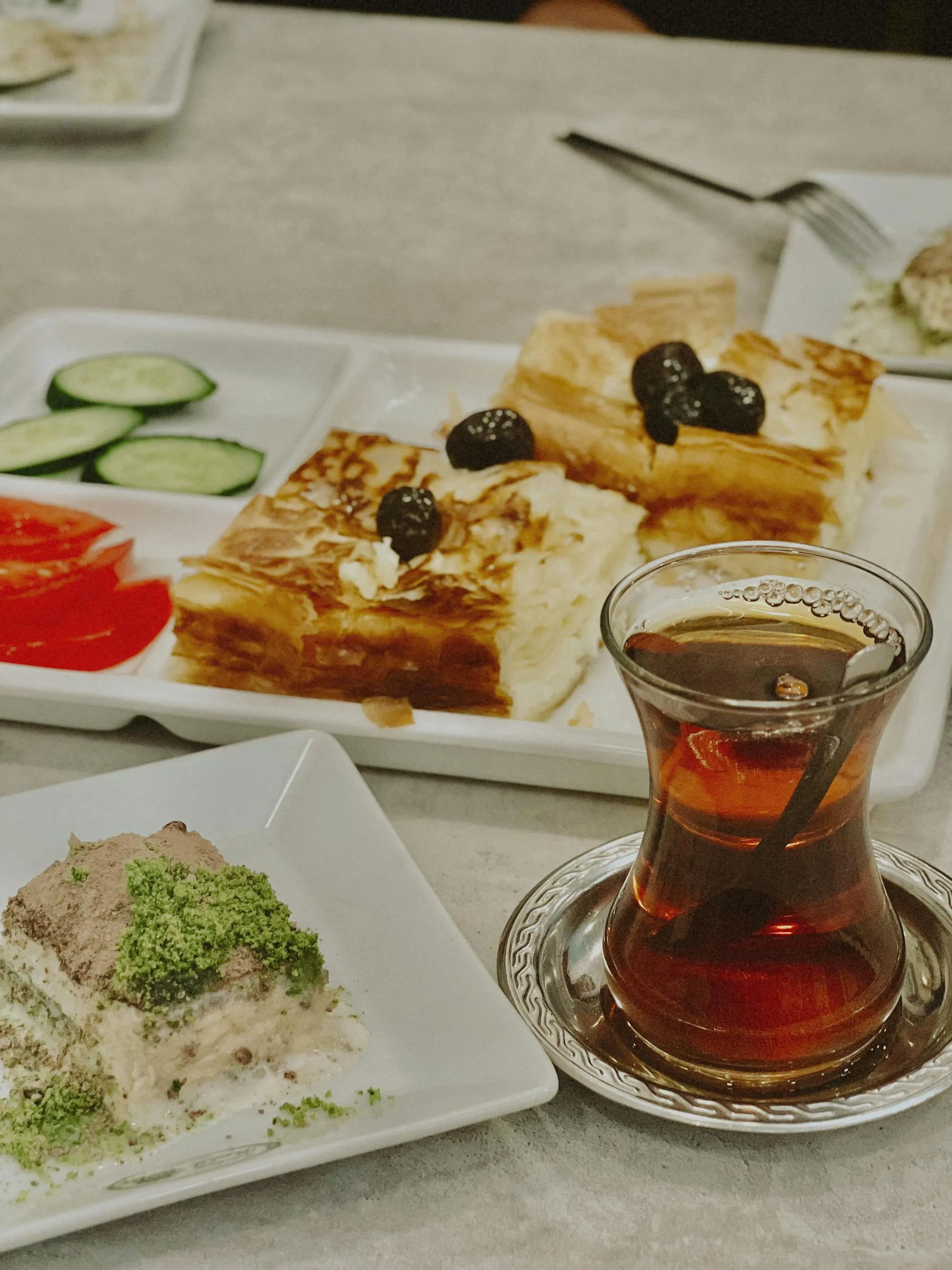
Su böreği with the usual breakfast companions: cucumber, tomato, olives, tea.
A layered cheese pastry that eats somewhere between lasagna and filo. Rarer than standard börek. Look for it at dedicated börek places and breakfast cafés. Warm, rich, excellent.
4. Kuymak
A mountain dish from the Black Sea coast. Cornmeal cooked into a stringy pool of molten cheese. Not a typical Istanbul breakfast, but several Kadıköy places serve it on weekends and it is worth hunting down.
Street food
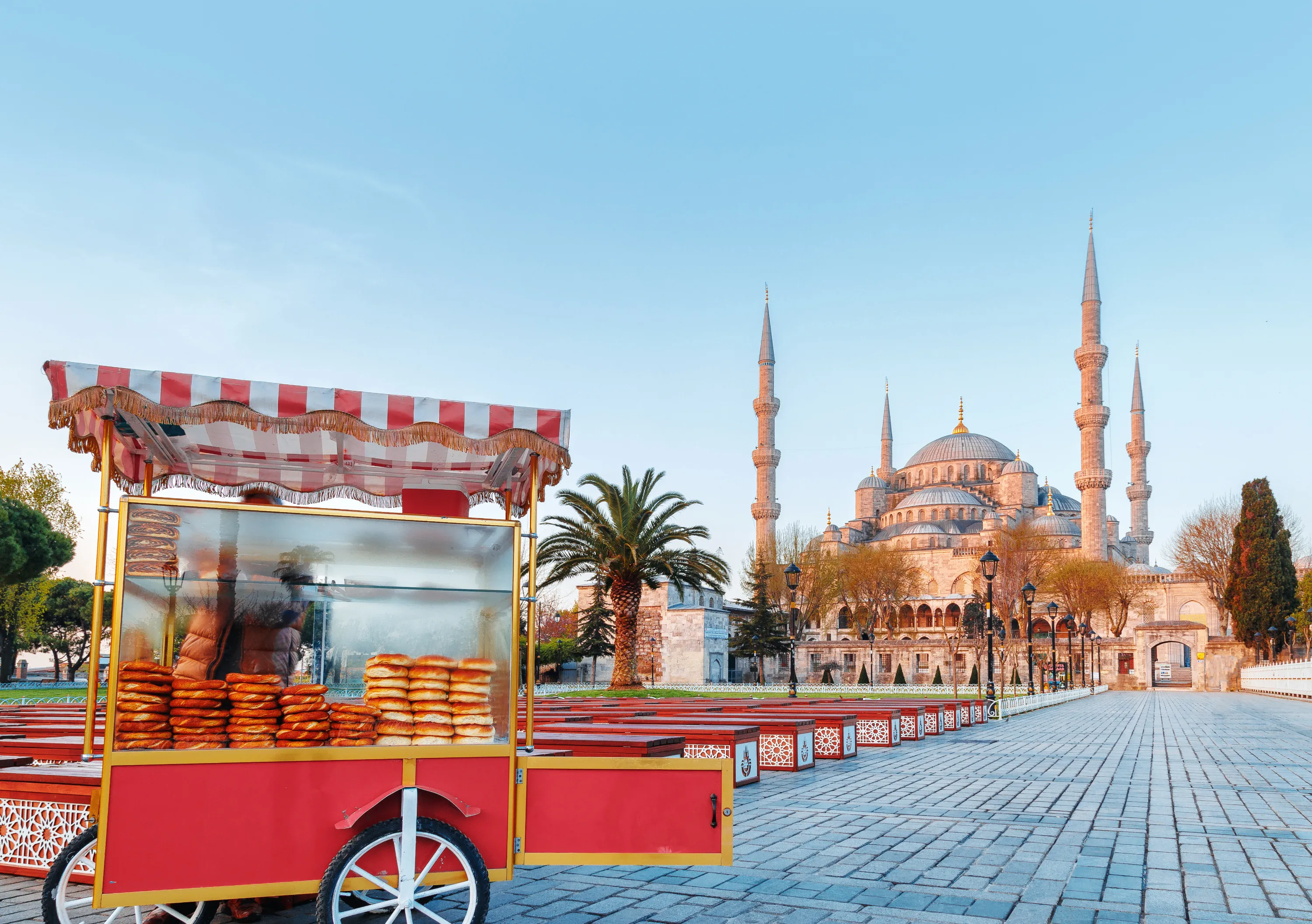
The baseline Istanbul street-food cart.
5. Simit
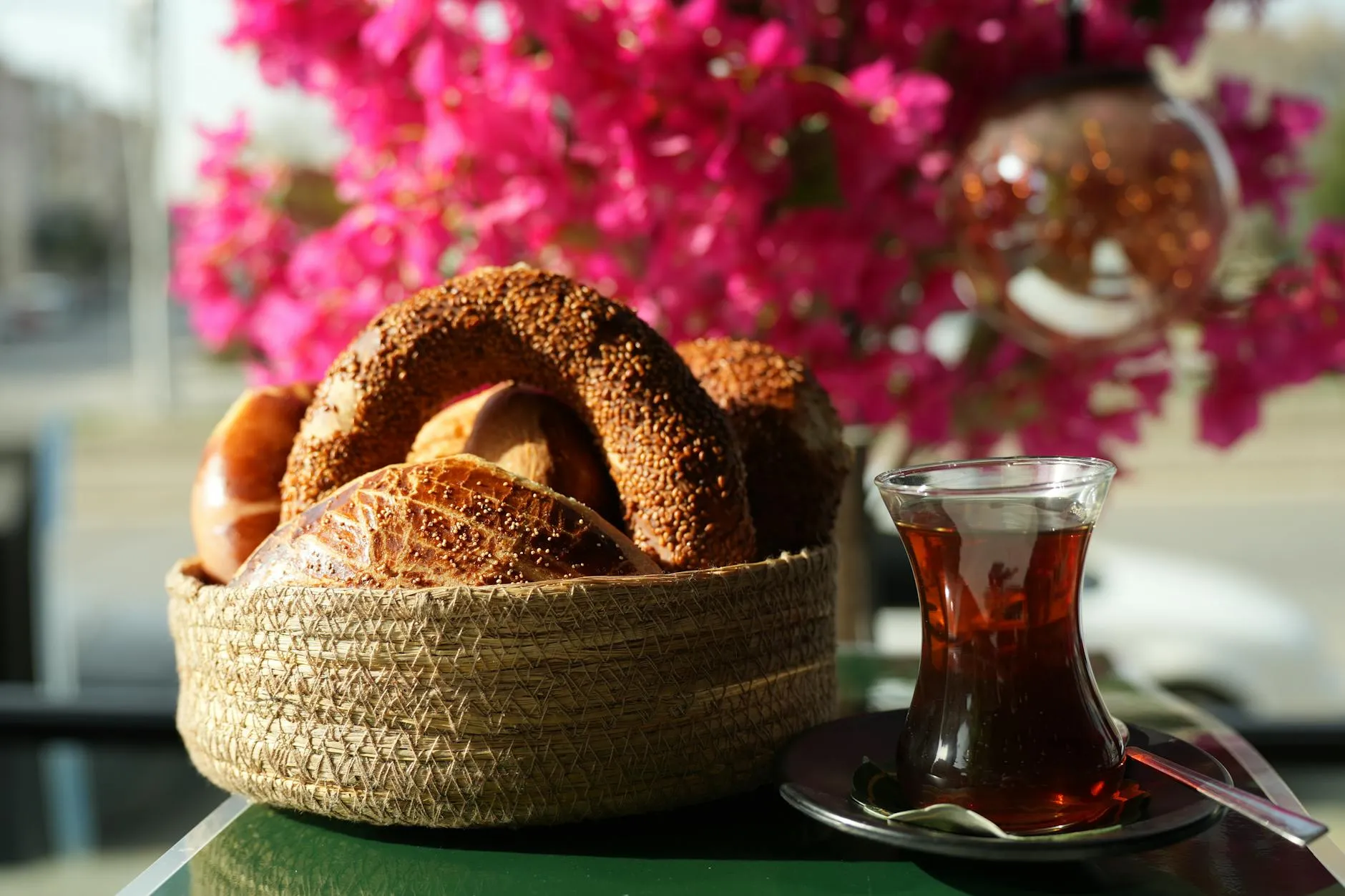
Simit and tea. Under a dollar for both.
Sesame-crusted bread rings. Freshness is everything. A morning simit from a pushcart is a dollar well spent. An afternoon one is leather.
6. Balık ekmek
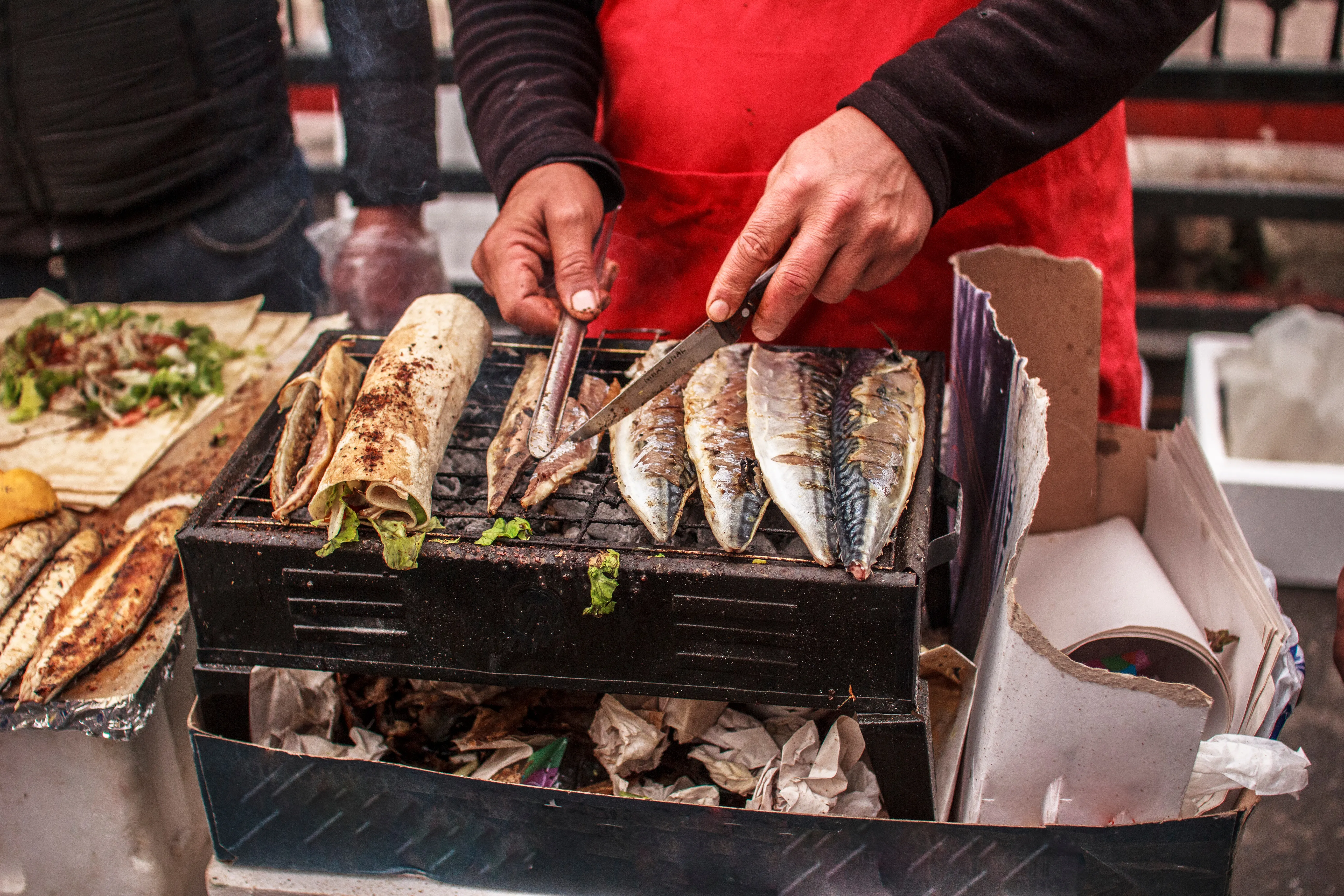
Mackerel on the grill. Raw onion, parsley, lemon, white bread; no fuss.
Grilled fish sandwich: white bread, mackerel fillet, raw onion, parsley, lemon. The postcard version is at Eminönü. The quieter, often better version is in Karaköy.
7. Midye dolma
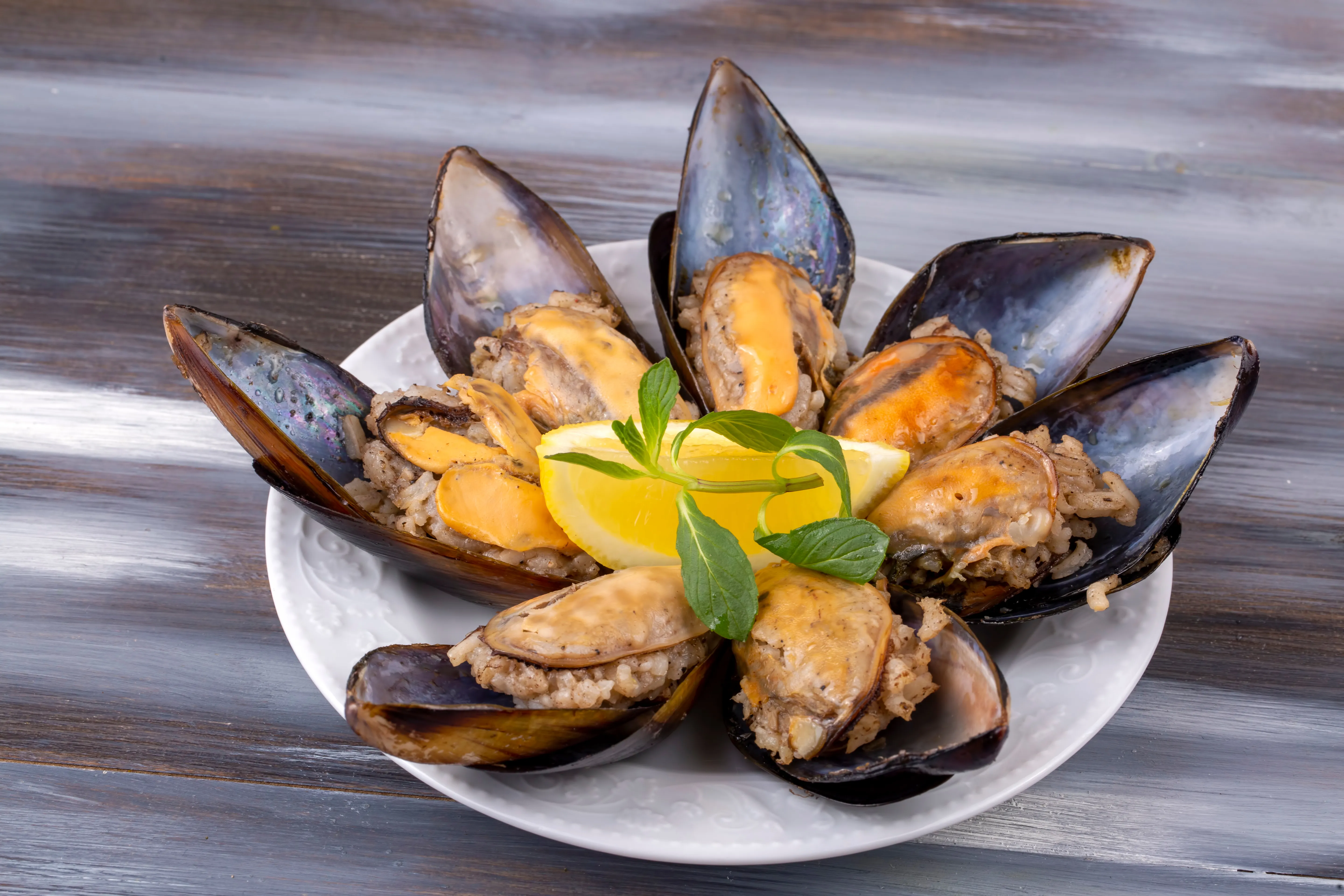
Midye dolma. The street-cart version is cheaper and better.
Stuffed mussels with spiced rice and lemon. Sold from cool trays by street vendors. A good one is cheap, addictive, and a test of whether you trust Istanbul street-food standards. You should. Stick to busy stalls.
8. Kokoreç
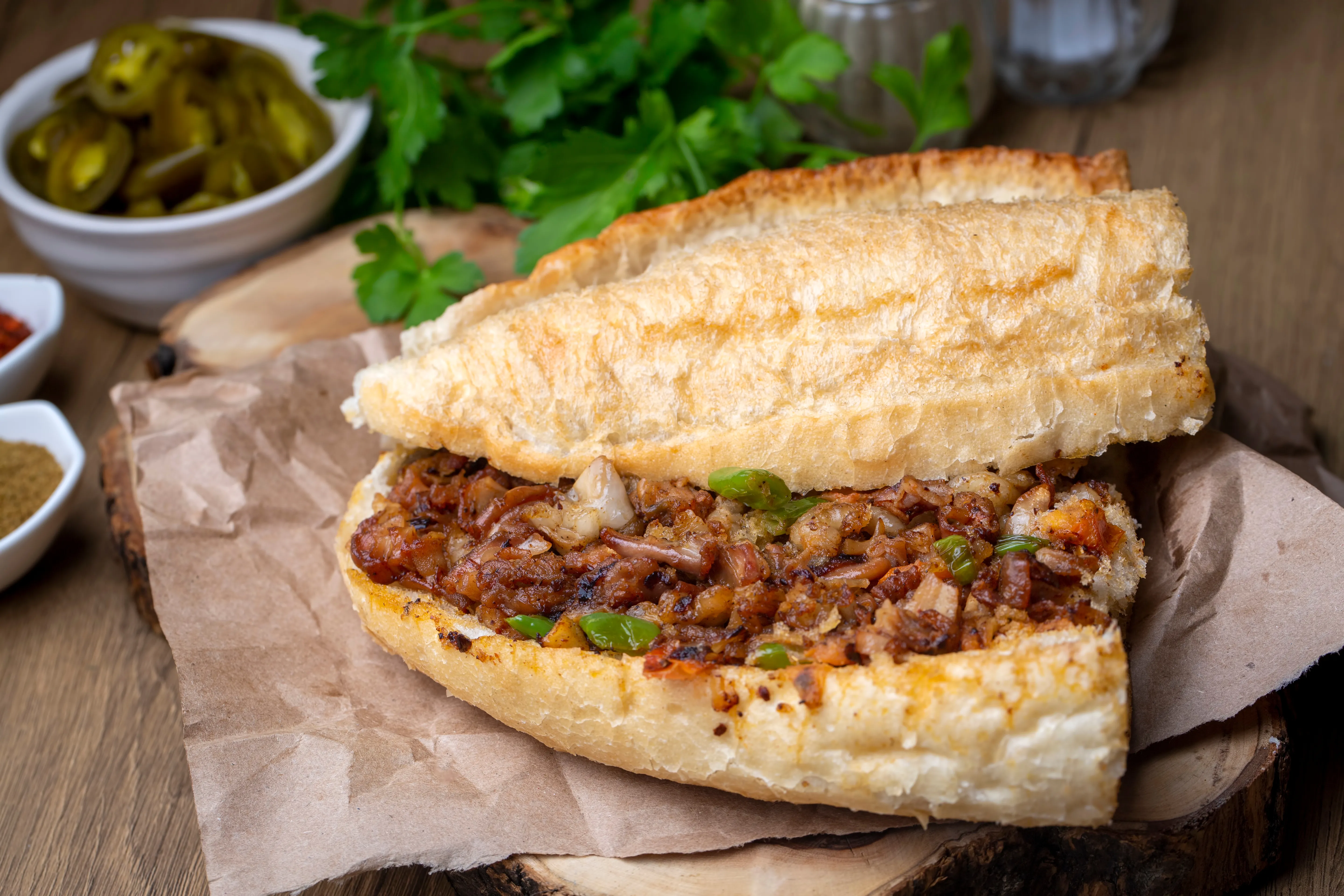
İzmir-style kokoreç. The one travelers fear and then order twice.
Seasoned lamb intestines, grilled on a spit, chopped finely, served in bread with oregano and chili. Polarizing. Absolutely worth trying once.
9. Lahmacun
Thin flatbread topped with spiced minced lamb, parsley, and onion. Squeeze lemon, roll tight, eat hot. Two lira and thirty cents, roughly.
Mains
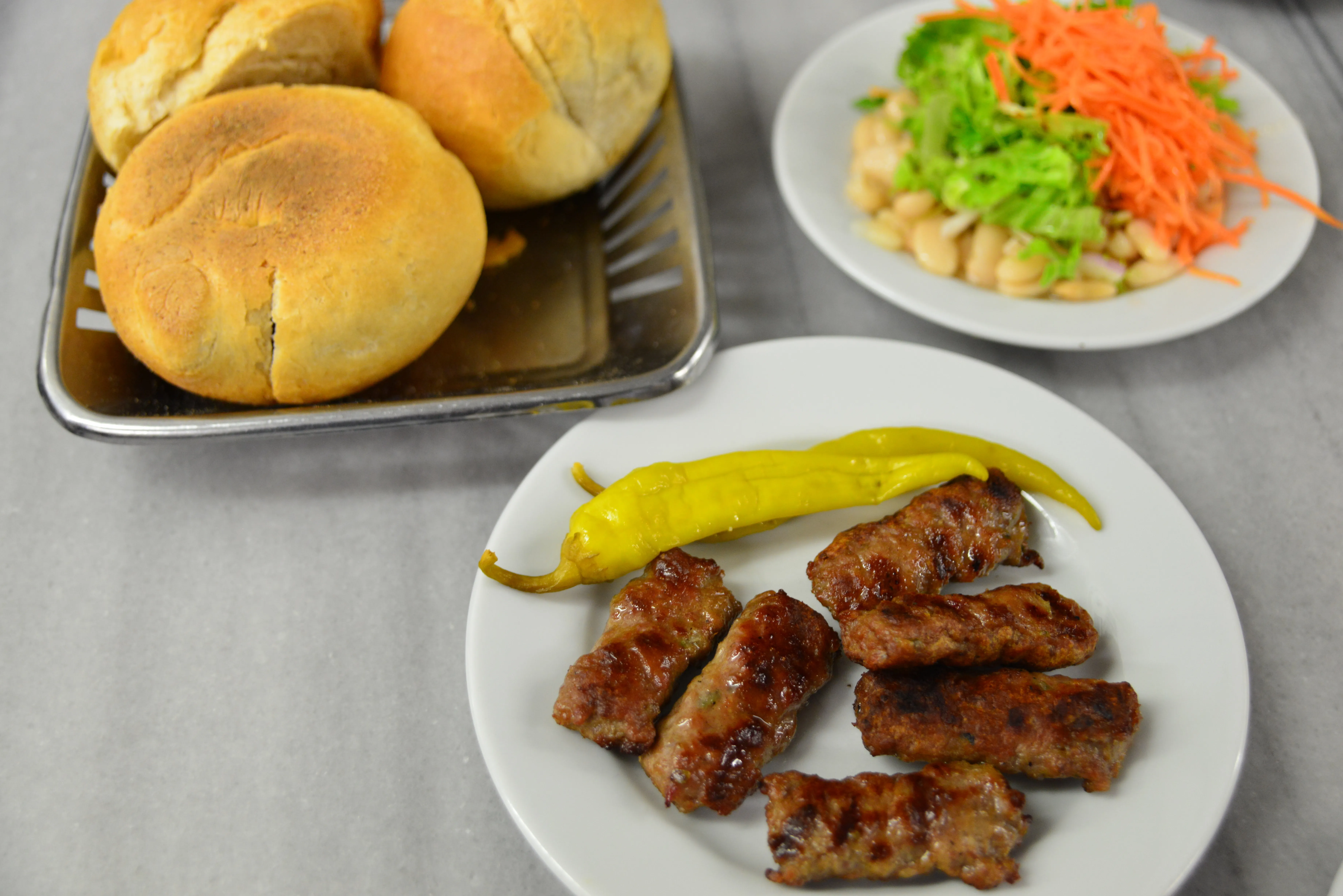
The benchmark köfte: Tarihi Sultanahmet Köftecisi, unchanged since 1920.
10. Manti
Tiny beef dumplings served with garlicky yogurt and a drizzle of red-pepper butter. The Kayseri version (dumplings the size of a pencil eraser) is the reference. A proper plate of manti is one of the best things you can eat in Istanbul.
11. İskender
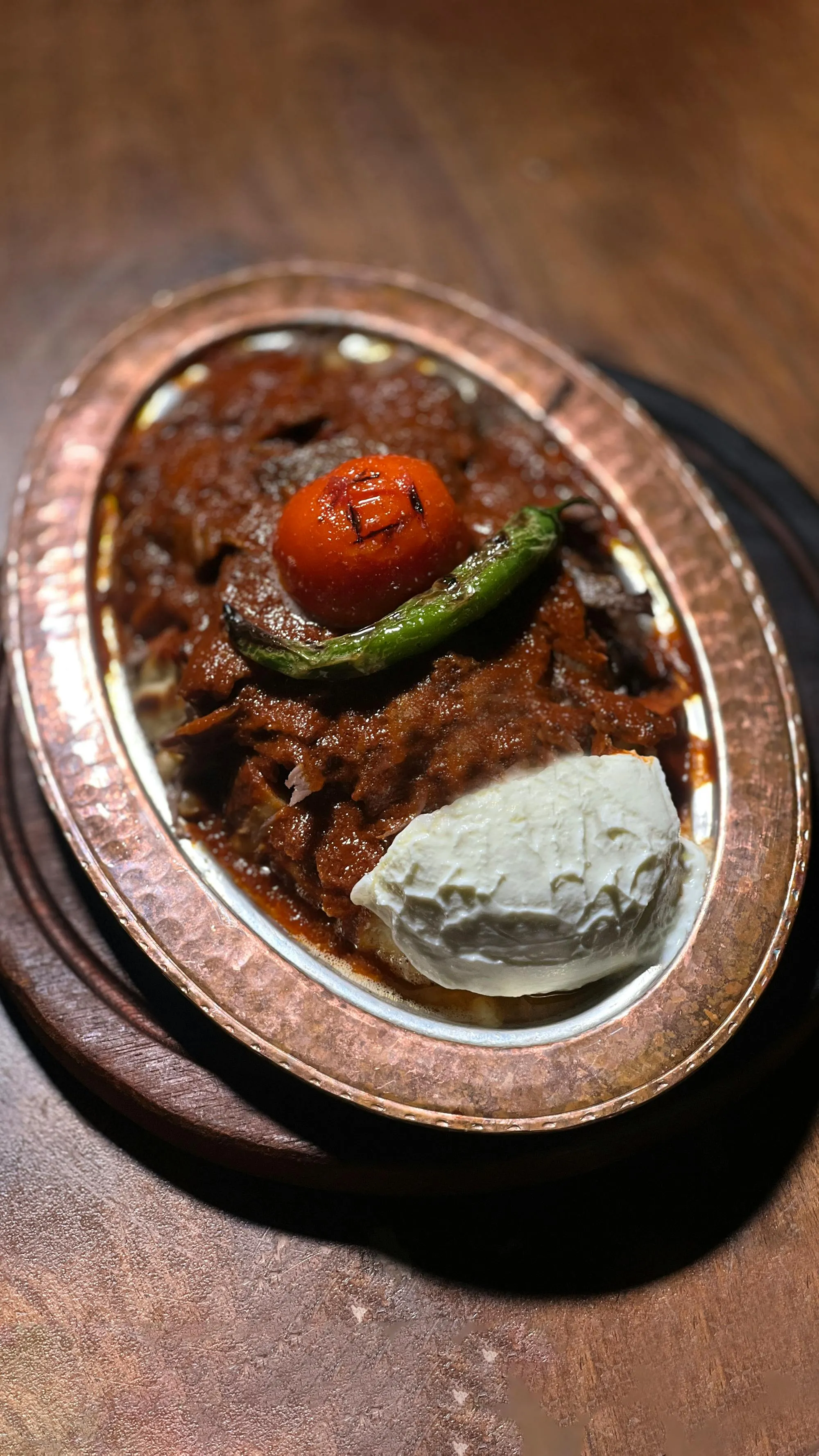
İskender, the full plate. Thin-sliced döner, tomato sauce, browned butter, a dollop of yogurt, one roasted pepper, one roasted tomato. Heavy and magnificent.
Thin-sliced döner on a bed of cut-up flatbread, drenched in tomato sauce and foaming browned butter, with a dollop of yogurt on the side. As heavy as it sounds. Also magnificent.
12. Pide
Boat-shaped flatbread topped with cheese, spiced meat, sucuk, egg, or a combination. Not pizza. Closer to khachapuri in spirit. Cheese-and-sucuk is the greatest-hits order.
13. Hünkar beğendi
“The sultan liked it.” Lamb stew over smoked eggplant mixed with béchamel and cheese. An Ottoman-palace dish that has held up for four hundred years.
Meze and meyhane
14. Lakerda
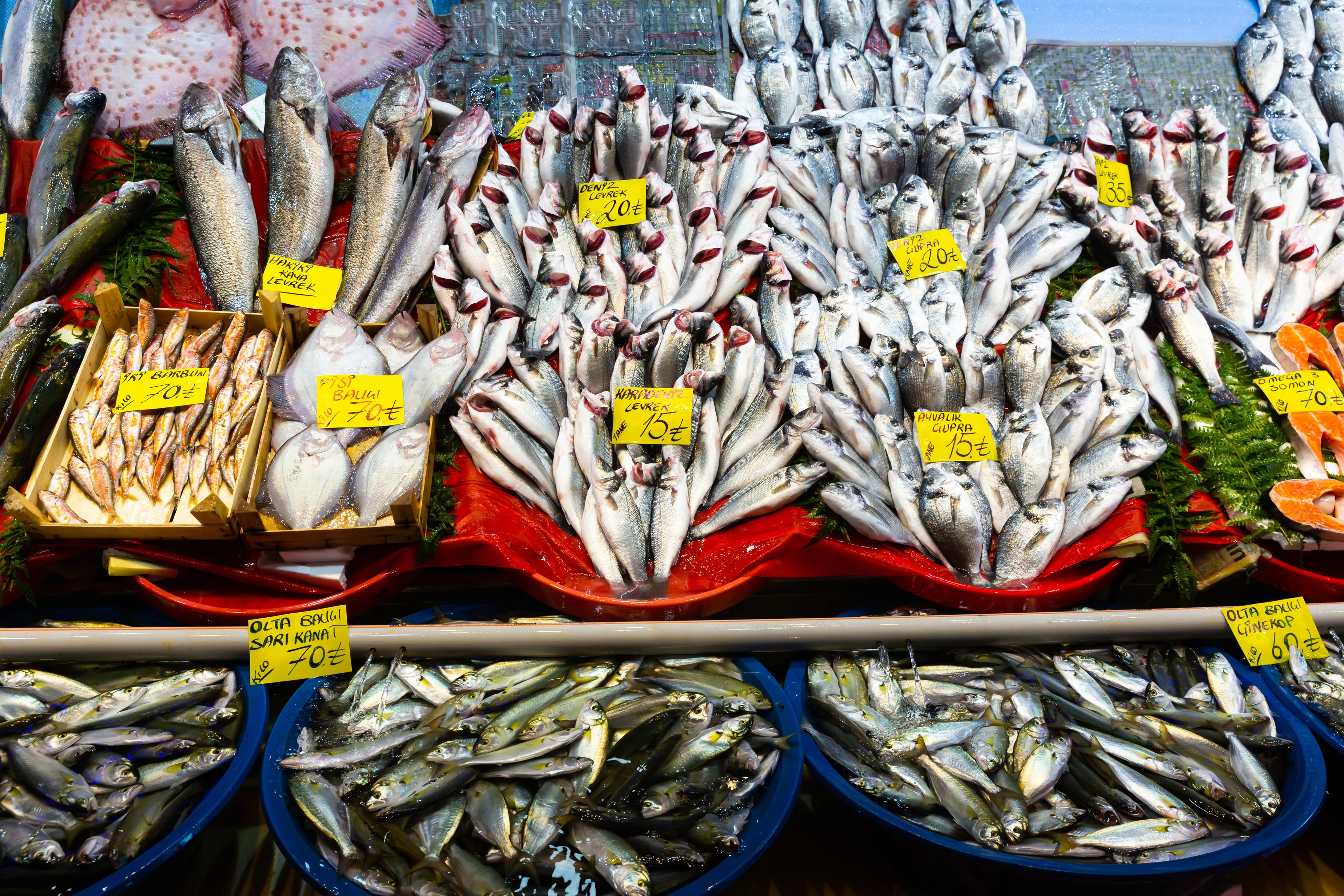
Fish counter at a Kadıköy market. Bonito (palamut) is what gets turned into lakerda.
Salt-cured, olive-oil-slicked bonito. Almost impossible to find outside Istanbul. Order it every time you see it on a meyhane menu. It looks unassuming, pale pink slices, and tastes like concentrated sea.
15. Haydari
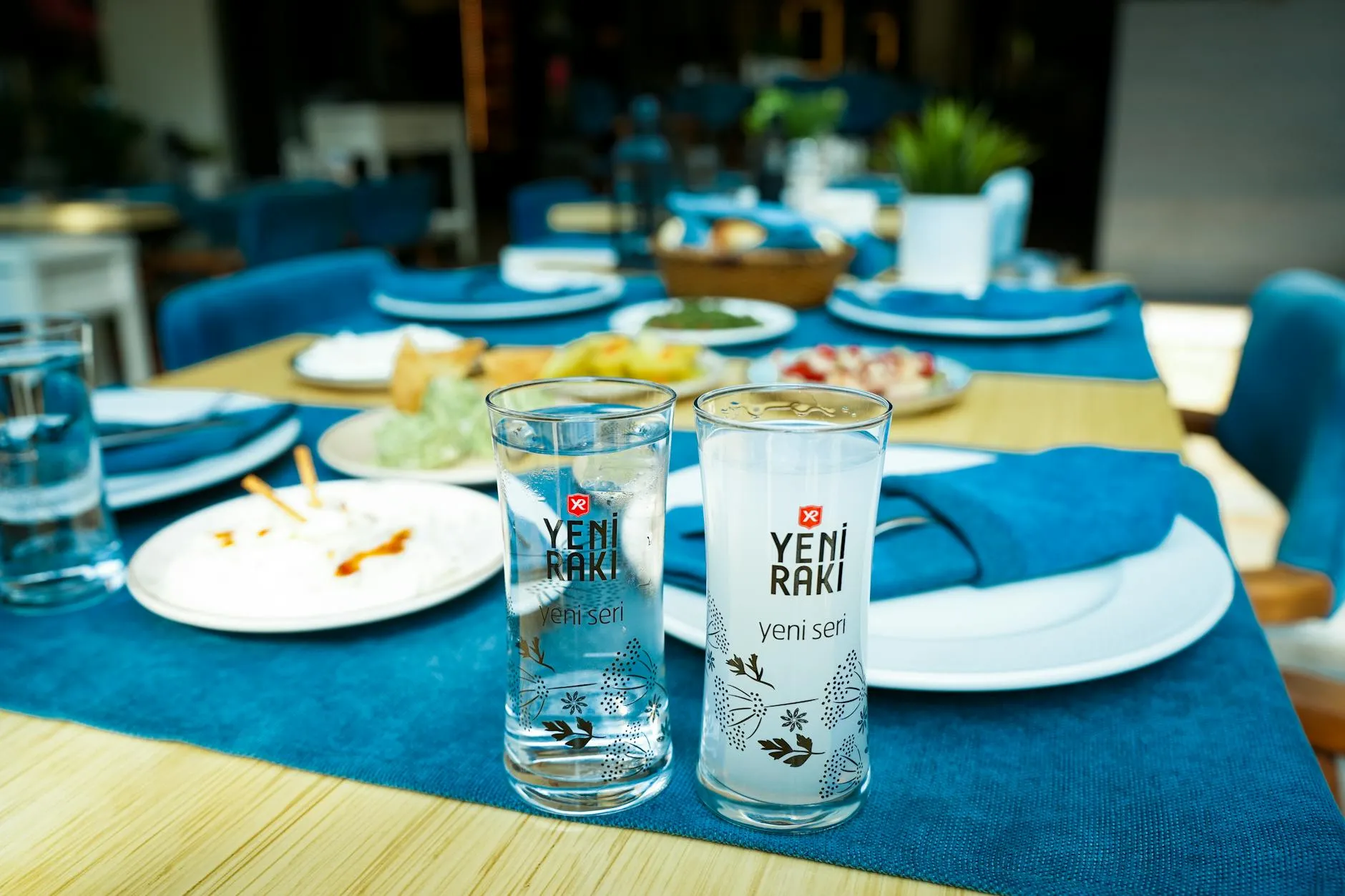
A meyhane setup ready to eat: rakı glasses, small meze plates, blue linen. Haydari is usually one of the first plates to land.
Strained yogurt whipped with garlic, dill, and olive oil. The meyhane comfort plate. Pairs with bread.
16. Acılı ezme
A coarse paste of tomato, pepper, walnut, garlic, and chili. The hottest thing on a typical meze table. Goes on everything.
For a broader meze primer and how to order them, the Istanbul food guide covers the format in detail.
Sweets
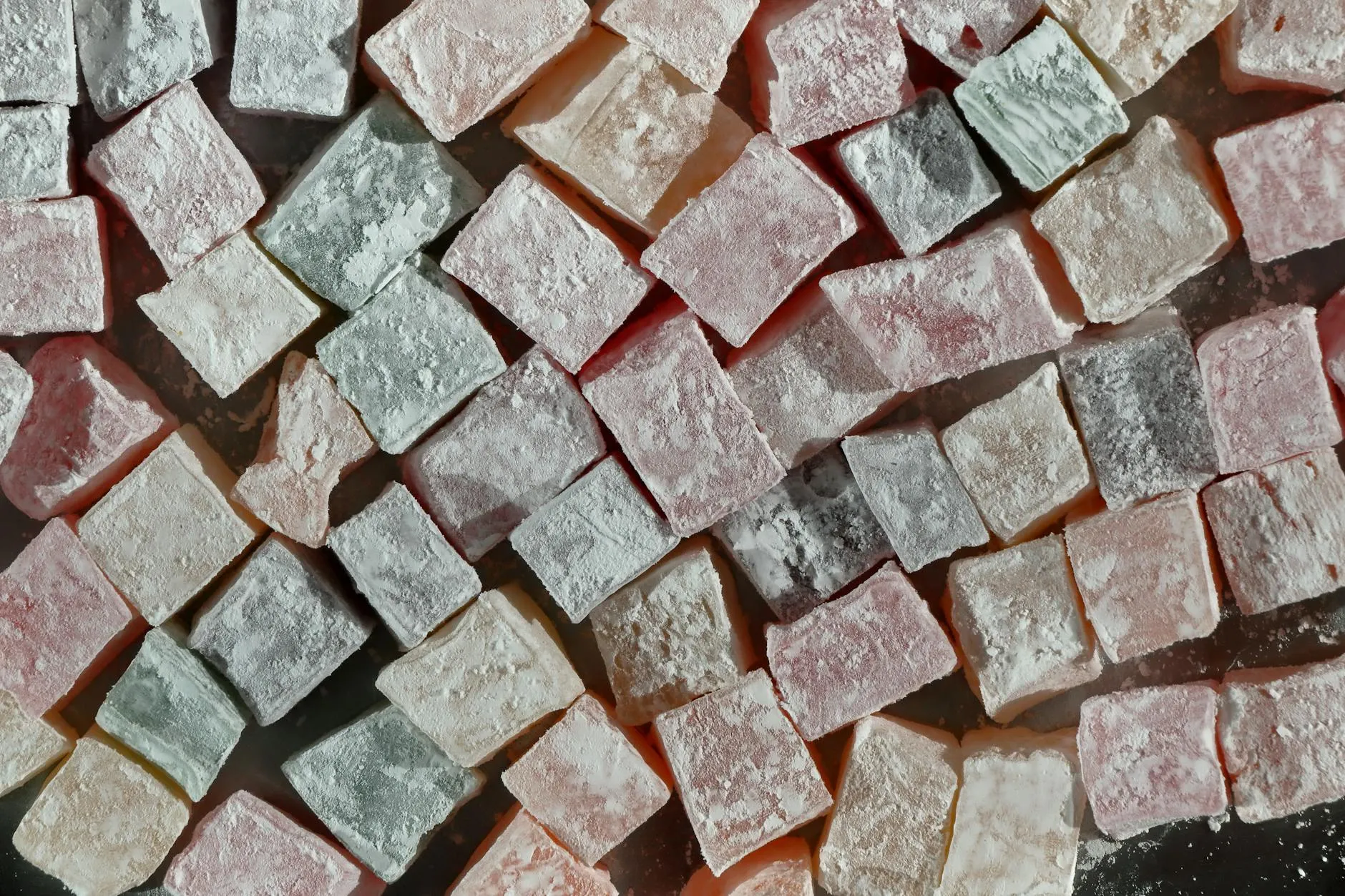
Sweet counter at Hafız Mustafa. Buy lokum here, not at the airport.
17. Künefe
Shredded pastry over stringy cheese, soaked in syrup, served hot. An oddly perfect dessert. Order at dinner, never at breakfast.
18. Kazandibi
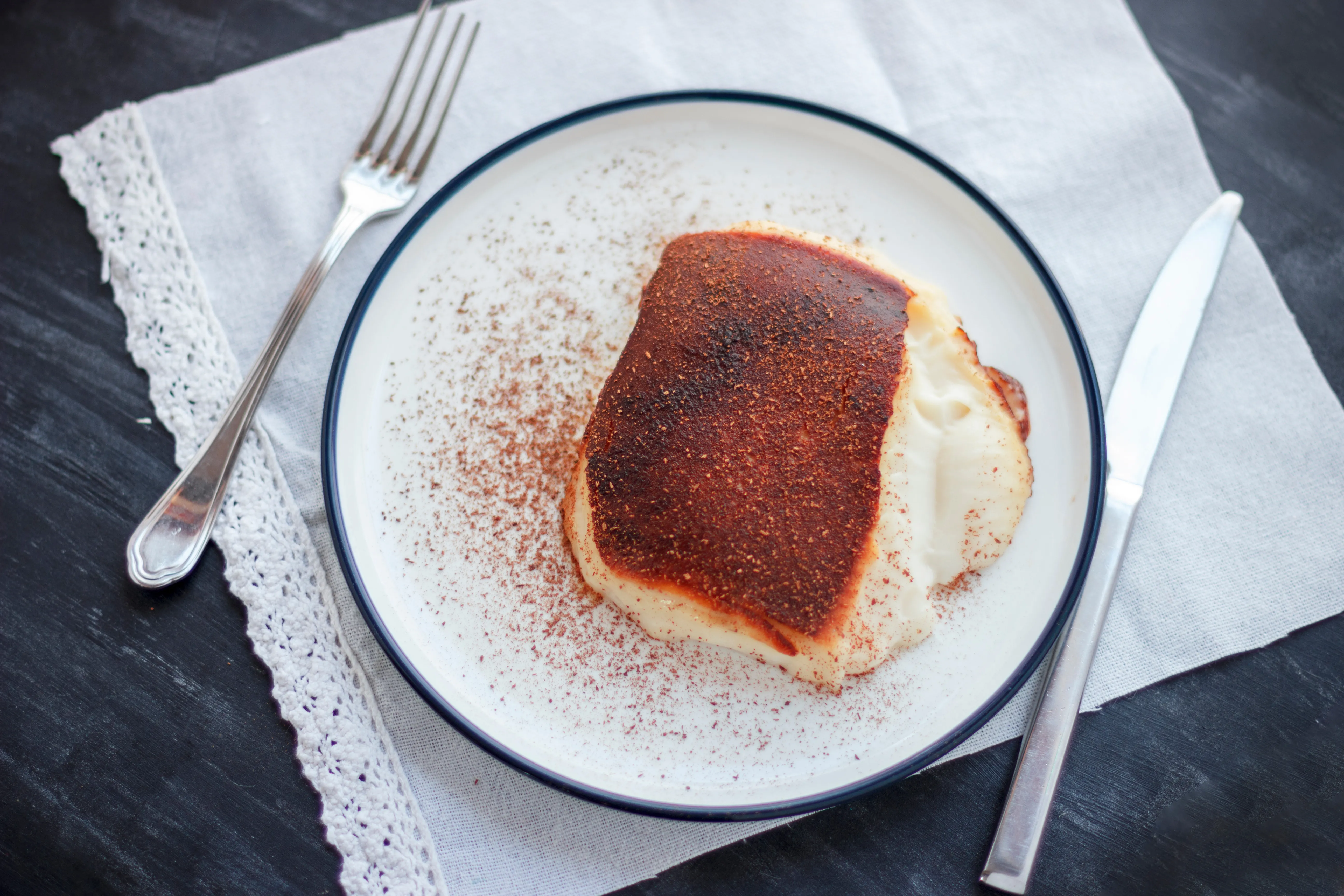
Kazandibi. The caramelised underside is the point. Not photogenic; very good.
A milk pudding with a caramelized underside that gets folded on top. Strange, pale brown, understated. One of the best-kept secrets of Istanbul sweet shops.
Honorable mentions
Several dishes did not quite make the 18 but should still be on your radar:
- Çiğ köfte, spiced bulgur wraps, now almost always vegetarian despite the name.
- İmam bayıldı, braised eggplant in olive oil. The name translates as “the imam fainted.”
- Çiroz, dried, olive-oil-dressed mackerel, a meyhane classic.
- Salep, winter drink of hot milk thickened with orchid root and dusted with cinnamon. Better than it sounds.
- Pilav, specifically perde pilav, baked rice in a crisp pastry shell.
Where to eat this list
Rather than naming specific restaurants (which close and change hands), I will point at areas.
For menemen, börek, kahvaltı: Moda and Beşiktaş in the morning.
For manti, iskender, pide: lunch lokantas all over the city. The ones around Kadıköy market are particularly good.
For meze and fish: Karaköy’s waterfront meyhanes, or Kadife Sokak on the Kadıköy side.
For künefe, baklava, kazandibi: look for a dedicated sweet shop (tatlıcı), not a restaurant dessert menu.
A single well-planned day can hit six or seven items on this list. If you would rather have someone handle the logistics, the ranking of the best Istanbul food tours lists the well-reviewed operators. If you would rather walk the route yourself, the self-guided Istanbul food tour is a free half-day route that covers the essentials. Either works.
Keep reading
This is an editorial review. Some links on this page are affiliate links. If you book through them we may earn a small commission at no extra cost to you. It never changes which tours we recommend.