Istanbul has more food than most visitors know what to do with. Thousands of restaurants. Street vendors on every corner. Regional cuisines from all over Turkey stacked on top of each other. And no shortage of blogs telling you to "try the baklava." Finding food is easy. Finding the right food, at the right time, in a neighborhood that is not trying to overcharge you, is the harder part. This guide is built to solve that. It covers what to eat, where to look, when things are best, and how the city's food culture works once you stop reading and start eating.
How to use this guide
If you are short on time, skip to the "Start here" section below. Those seven foods will teach you more about Istanbul in a day than most visitors learn in a week. Eat them in roughly that order.
If you have a few days, read the neighborhoods section and plan your eating around geography. Istanbul sprawls across two continents. A great restaurant on the wrong side of the Bosphorus costs you two hours of transit you will not get back.
If you mainly want to avoid bad meals, read "How to spot a good place." Five signals. They work everywhere.
Everything else, the individual food entries, the time-of-day breakdown, the itineraries, is here when you need it. Use what helps. Skip what does not.
What makes Istanbul a unique food city
Istanbul is not one cuisine. It is five or six sitting on top of each other.
Ottoman palace cooking is one layer. Rich, slow, butter-heavy. Lamb stewed over smoked eggplant. Rose-petal sherbet chilled in snow. Some of these dishes survived in family kitchens and in a handful of restaurants that took them seriously.
Anatolian home cooking is another. Millions of people migrated to Istanbul from the east and south over the last century, bringing their food with them. The lahmacun shops in Fatih serve food from Gaziantep. The pide bakeries carry Black Sea traditions. These regional kitchens are more alive in Istanbul today than in many of the places they came from.
Then there is the Greek and Armenian seafood tradition running through the meyhane culture. The fish restaurants along the Bosphorus, the meze format, the rakı ritual. These are not Turkish in origin. They belong to Istanbul, inherited from communities that shaped the city for centuries.
And there is a newer generation of cooks who treat all of it as source material. Restaurants like Neolokal and Mikla take Anatolian ingredients and apply fine-dining technique. The results vary, but the ambition is real.
Geography matters too. Istanbul straddles two continents. The European side is older, denser, more tourist-heavy. The Asian side, particularly Kadıköy, is where locals eat on weekends. Ferry crossings take 20 minutes and are part of the food culture. Some of the best simit vendors work the ferry terminals.
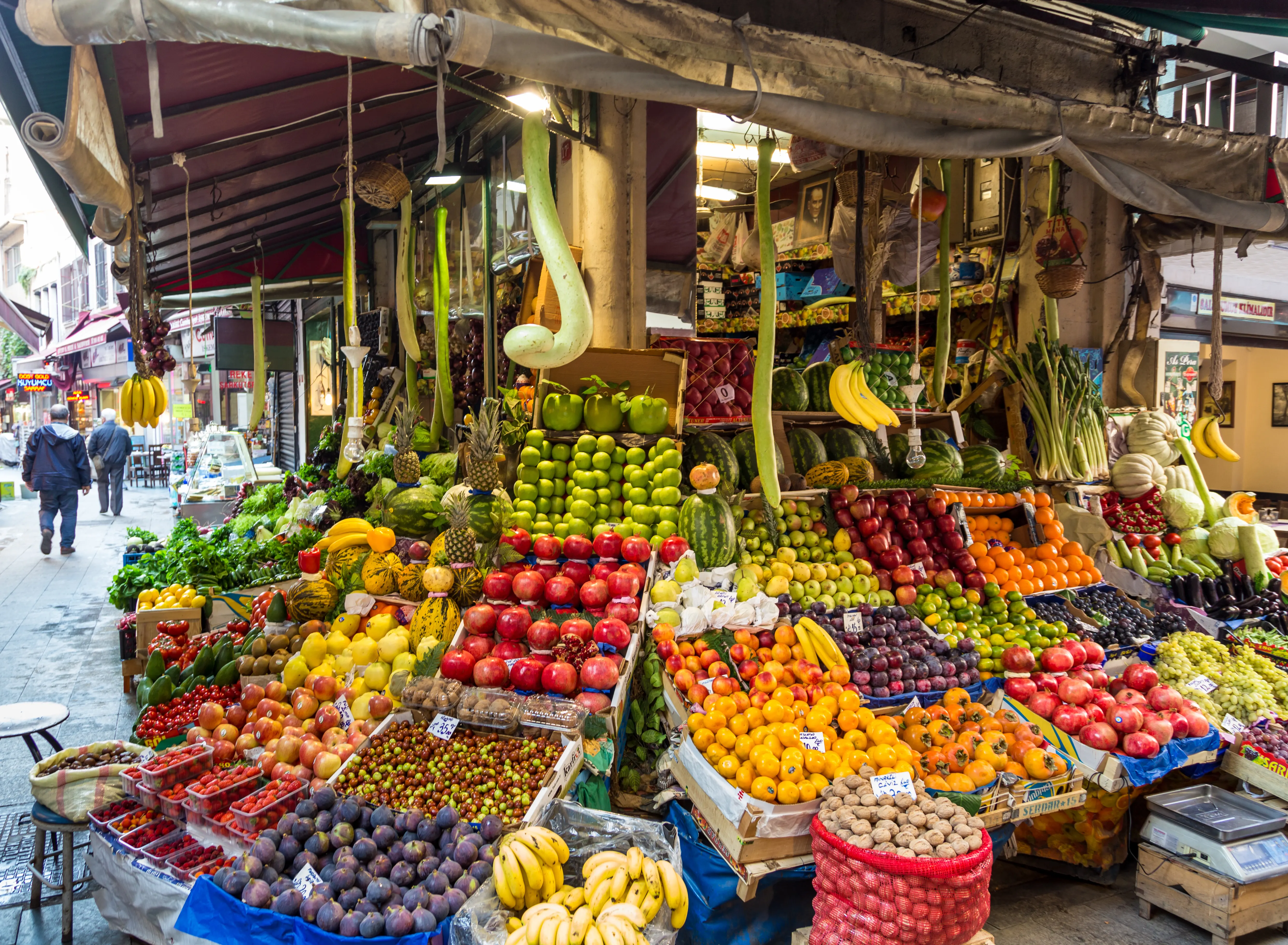
Seasonal eating is still strong here. Artichokes in spring. Fresh anchovies (hamsi) from November through February. Chestnuts from street carts in winter. Midye dolma year-round, but noticeably better when the water is cold. Eating what is in season makes a real difference.
Start here: 7 foods to prioritize
If you have a few days and want the clearest picture of how Istanbul eats, these are the seven things to try first. Not because they are "the best," but because each one teaches you something about the city that the others do not.
- Simit from a morning ferry terminal. Before 10am. A dollar. The simplest and most honest thing you will eat in Istanbul.
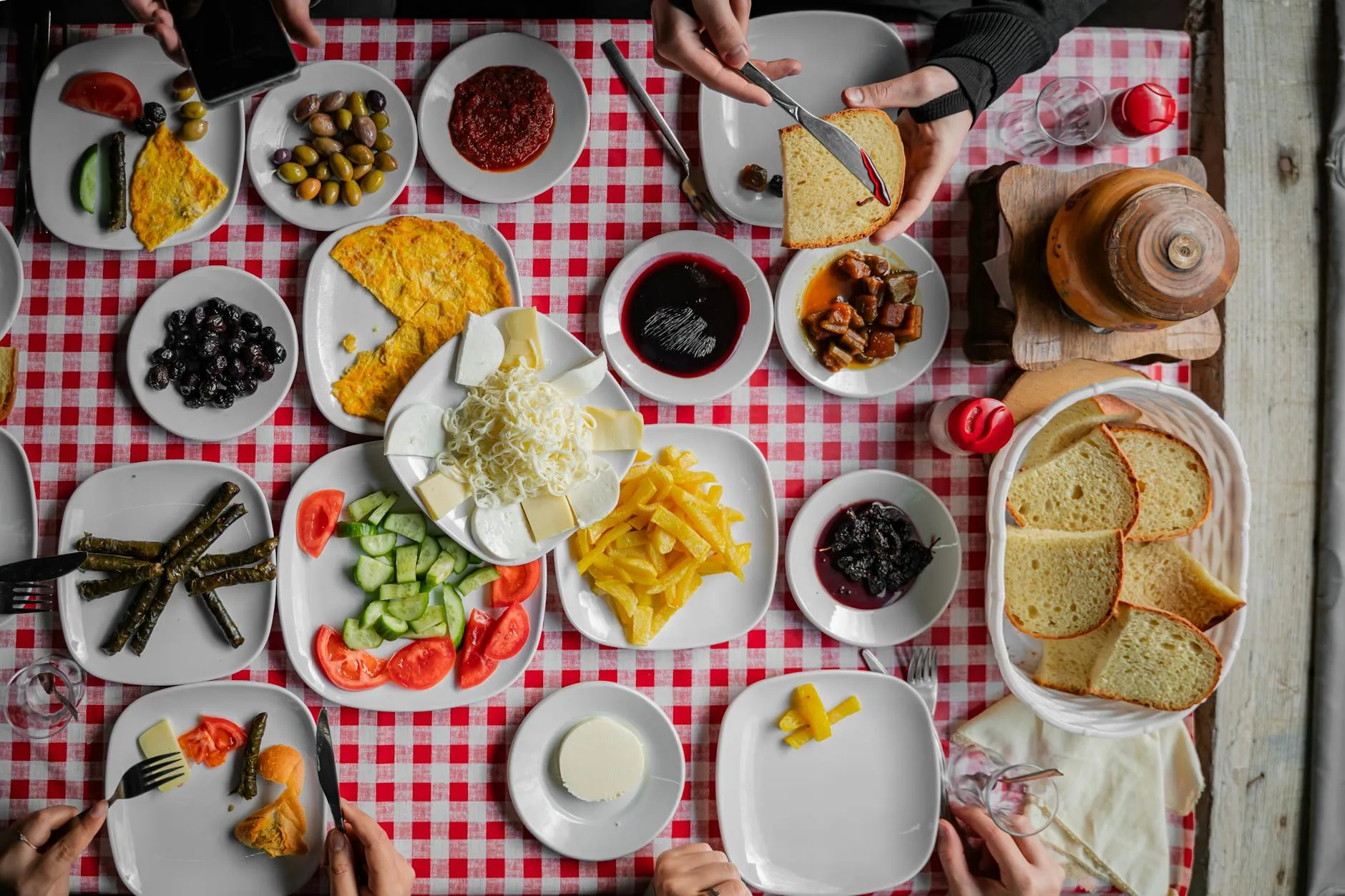
- A full Turkish breakfast (serpme kahvaltı). Block off two hours on a weekend morning. 25 small plates, tea that never stops.
- Midye dolma from a busy street stall. Cold stuffed mussels with spiced rice. Go to a Kadıköy or Beşiktaş corner with a crowd around it.
- Balık ekmek in Karaköy. Grilled fish sandwich. Skip the tourist boats at Eminönü and walk ten minutes to the Karaköy fish market instead.
- Baklava from Karaköy Güllüoğlu. Pistachio, crispy layers, light syrup. This is the benchmark.
- A meze dinner at a meyhane. Small plates, fish, rakı. Three hours. The best format Istanbul has for dinner.
- Tea. From a çay stand, a ferry deck, a carpet shop, or literally anywhere. Accept every offer.
15 must-try foods in Istanbul
A quick-reference table first, then the details for each.
| Food | When to eat | What to expect | Where to find |
|---|---|---|---|
| Simit | Before 10am | Sesame bread ring, warm, crisp | Ferry terminals |
| Turkish breakfast | Weekend mornings | 15-25 small plates, 2 hours | Beşiktaş, Moda |
| Börek | Breakfast | Layered pastry, cheese or spinach | Neighborhood börekçis |
| Döner | Lunch | Sliced meat from vertical spit | Dedicated dönercis, Fatih |
| Kebabs | Lunch or dinner | Regional grilled meats (many types) | Specialty kebab houses |
| Lahmacun | Lunch | Thin flatbread, spiced minced lamb | Fatih, Kadıköy bakeries |
| Pide | Lunch | Boat-shaped flatbread, toppings | Karadeniz-style pide shops |
| Balık ekmek | Late morning | Grilled fish sandwich | Karaköy fish market |
| Kokoreç | Late night | Grilled lamb intestines in bread | Beyoğlu, Beşiktaş |
| Midye dolma | Anytime | Cold stuffed mussels with rice | Busy street stalls |
| Meze | Dinner (8pm+) | Small plates at a meyhane | Kadıköy, Karaköy, Beyoğlu |
| Baklava | Afternoon | Pistachio pastry, light syrup | Karaköy Güllüoğlu |
| Künefe | After dinner | Hot cheese pastry in syrup | Tatlıcı sweet shops |
| Tea (çay) | Always | Black, tulip glass, no milk | Everywhere |
| Turkish coffee | Afternoon | Fine grounds, copper pot | Traditional kahvecis |
1. Simit
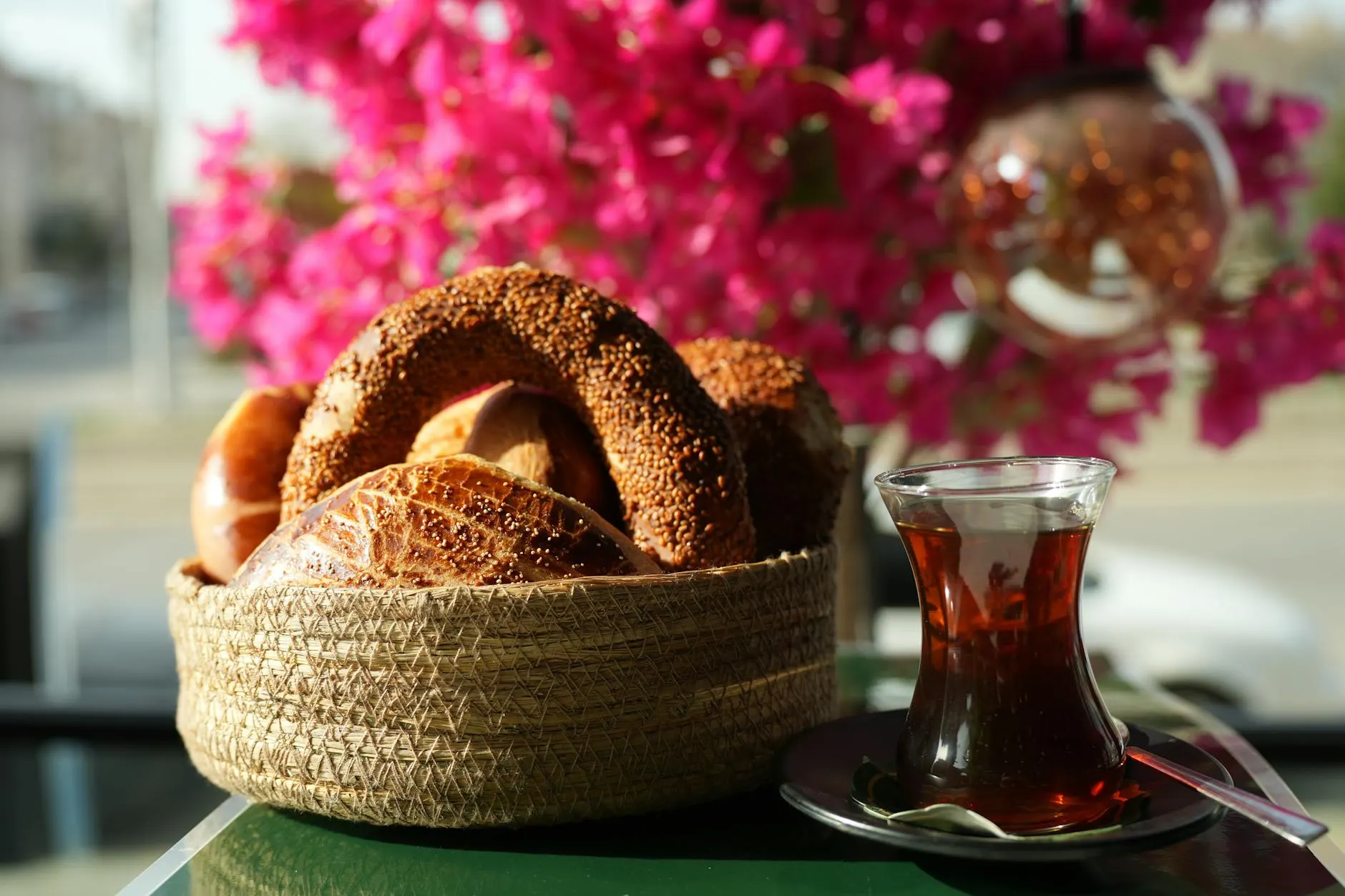
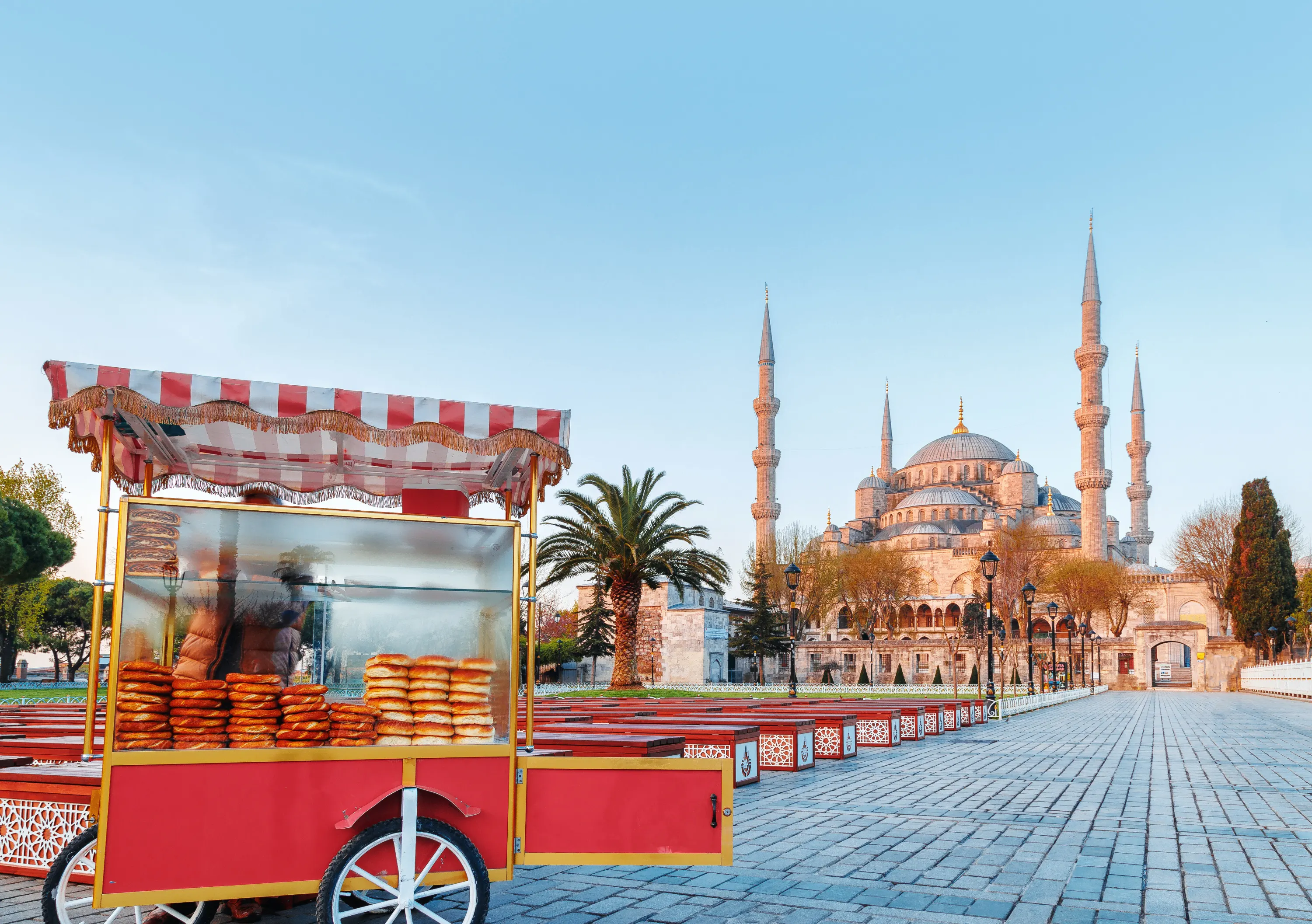
Sesame-crusted bread rings sold from red pushcarts at ferry terminals, bus stops, and street corners. Simit has been part of Istanbul's daily life since at least the 1500s. The dough is dipped in pekmez (grape molasses) before the sesame coating, which gives a good one its faint sweetness.
When: Before 10am. Freshness is everything. A morning simit is crisp and warm.
An afternoon one is stale.
What to look for: A tall stack on the cart, which means high turnover. If only
a few remain, they have been sitting.
Where: Any ferry terminal during the morning rush. Kadıköy, Beşiktaş, and
Eminönü are reliable.
2. Turkish breakfast (serpme kahvaltı)
Not a single dish but a format. Fifteen to twenty-five small plates spread across the table. Several cheeses (beyaz peynir, kaşar, tulum). Olives. Tomato and cucumber. Honey with kaymak (clotted cream). Sucuklu yumurta (eggs fried with spicy sausage). Fresh bread, jams, butter, and tea that never stops coming.
When: Weekend mornings. Allow two hours. This is a social meal, not a quick
one.
What to look for: Places listing "serpme kahvaltı" on the menu. Per-person
pricing runs 400 to 1000 lira (10 to 22 dollars).
Where: Beşiktaş (near Pazar Yeri), Moda in Kadıköy, or the cafés along
Bebek's waterfront.
3. Börek
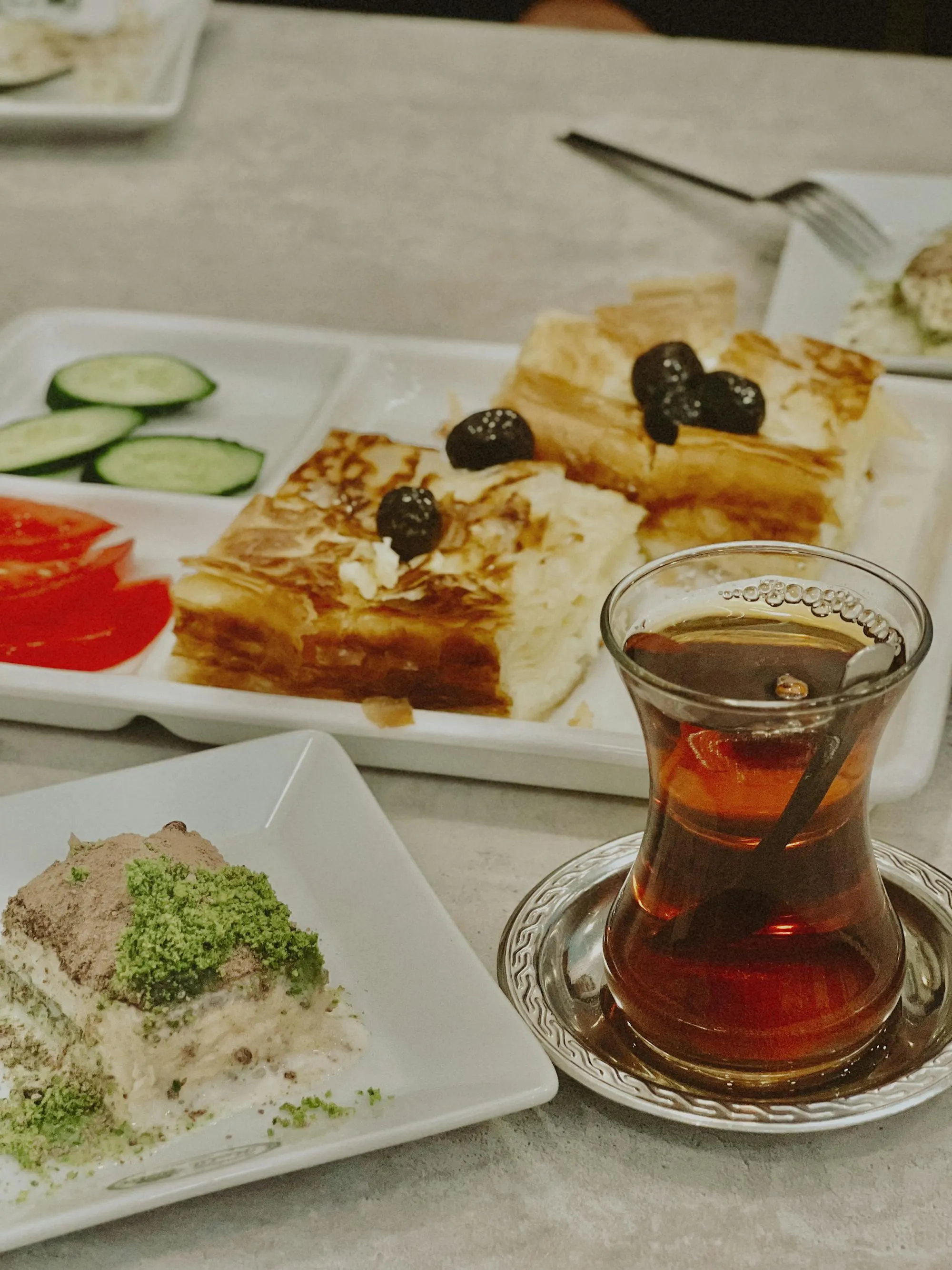
Layered pastry filled with cheese, spinach, or minced meat. Su böreği (the water-boiled version) is softer and more delicate than standard börek, and harder to find. The best versions come from dedicated börek shops rather than restaurants.
When: Breakfast or mid-morning. Börek dries out after a few hours.
What to look for: A börekçi with a queue. If they are pulling trays from the
oven while you wait, you are in the right place.
Where: Neighborhood börekçis in Fatih, Beşiktaş, and Kadıköy.
4. Döner
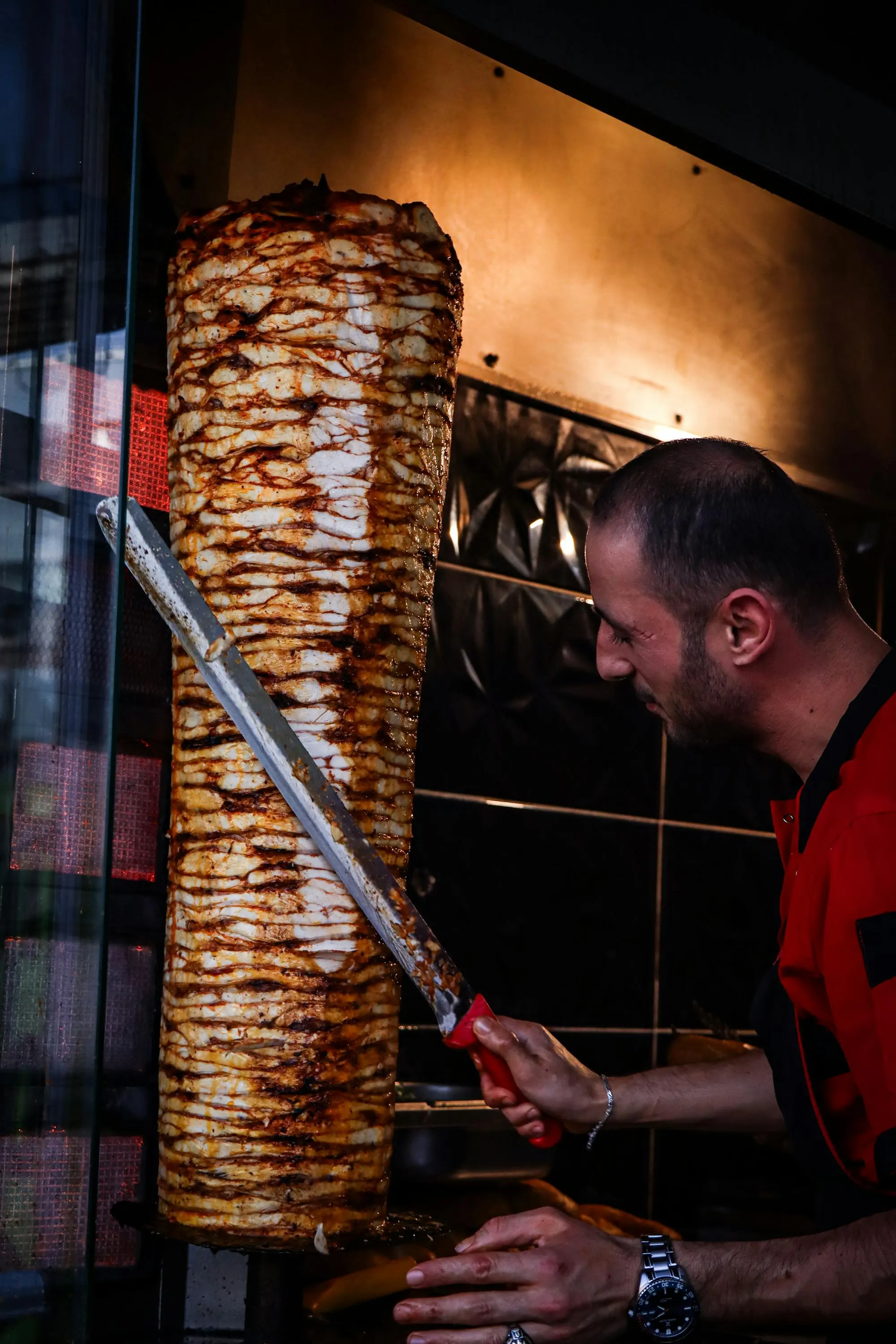
Thinly sliced meat (beef, lamb, sometimes chicken) cooked on a vertical rotating spit. Istanbul döner is leaner and less aggressively spiced than the Berlin kebab most Europeans picture. A good version is sliced to order from a spit with visible browning on the outside and juice running from the cut.
When: Lunch. Döner is a daytime food in Istanbul.
What to look for: A full, freshly-loaded spit. If the spit is thin and dried
out, the cook has been carving the same meat for hours.
Where: Dedicated dönercis in Fatih, Aksaray, and the back streets of Beyoğlu.
5. Kebabs
Kebab is not one thing. In Istanbul, you will find dozens of regional varieties from different parts of Anatolia.
- Adana kebab. Hand-minced lamb on a flat skewer, spicy, from southern Turkey.
- Urfa kebab. Similar shape, similar meat, no chili heat.
- Cağ kebab. Horizontal rotating spit, sliced like döner but cooked over wood. Originally from Erzurum.
- Beyti kebab. Minced lamb wrapped in lavash, sliced, topped with tomato sauce and yogurt.
When: Lunch or dinner.
What to look for: Restaurants that specialize in one regional style tend to be
better than those offering twenty different kebabs.
Where: Şehzade Erzurum Cağ Kebabı in Fatih for cağ kebab. Zübeyir Ocakbaşı
near Taksim for a wider ocakbaşı experience.
6. Lahmacun
Thin flatbread topped with spiced minced lamb, parsley, onion, and tomato, baked in a wood-fired oven. Squeeze lemon over it, add parsley and a sliver of raw onion, roll it tight, eat hot. A lahmacun costs 150 to 200 lira (3-5 dollars) at a takeaway shop.
When: Lunch or a quick dinner.
What to look for: A dedicated lahmacuncu with a visible wood oven.
Where: Working-class bakeries in Fatih and the streets behind the Kadıköy
market.
7. Pide
Boat-shaped flatbread topped with cheese, egg, minced meat, sucuk, or a combination. The dough is thicker than lahmacun and the toppings pool in the center. Often called "Turkish pizza," which undersells it.
When: Lunch or early dinner.
What to look for: Kaşarlı sucuklu (cheese and sucuk) is the classic order.
Where: Pide bakeries run by Black Sea families. Tarihi Karadeniz Pide in
Fatih is one of the oldest.
8. Balık ekmek (fish sandwich)
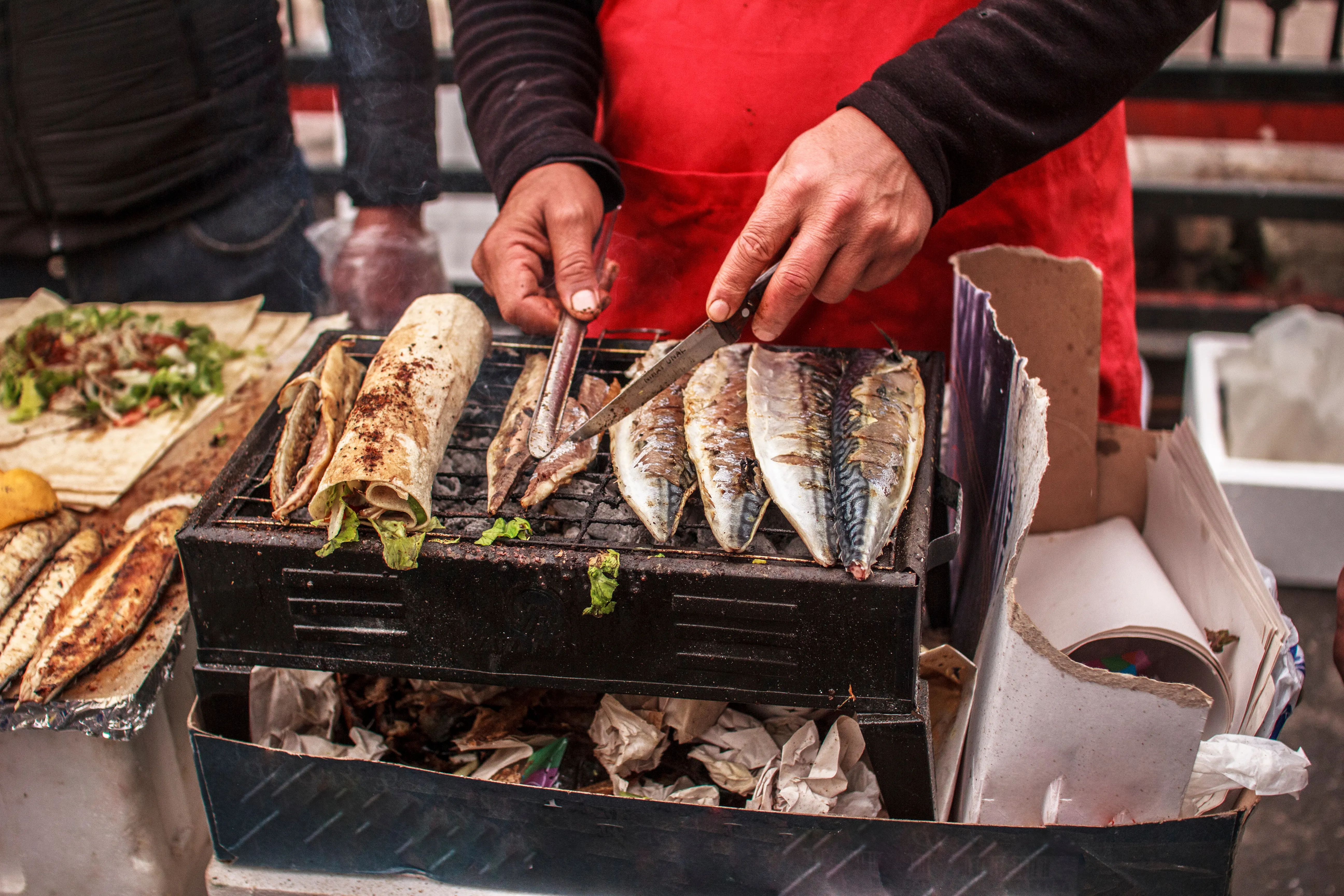
Grilled mackerel fillet on a half-loaf of white bread, with raw onion, lettuce, and lemon. The famous version comes from the bobbing boats at Eminönü. The better version, with fresher fish and less performance, is at the stalls along the Karaköy fish market. A ten-minute walk across the Galata Bridge.
When: Late morning or lunch.
What to look for: Fish grilled to order in front of you, not pre-cooked.
Where: Karaköy fish market stalls, or the Kadıköy waterfront. The
Karaköy food guide maps the exact stretch.
9. Kokoreç
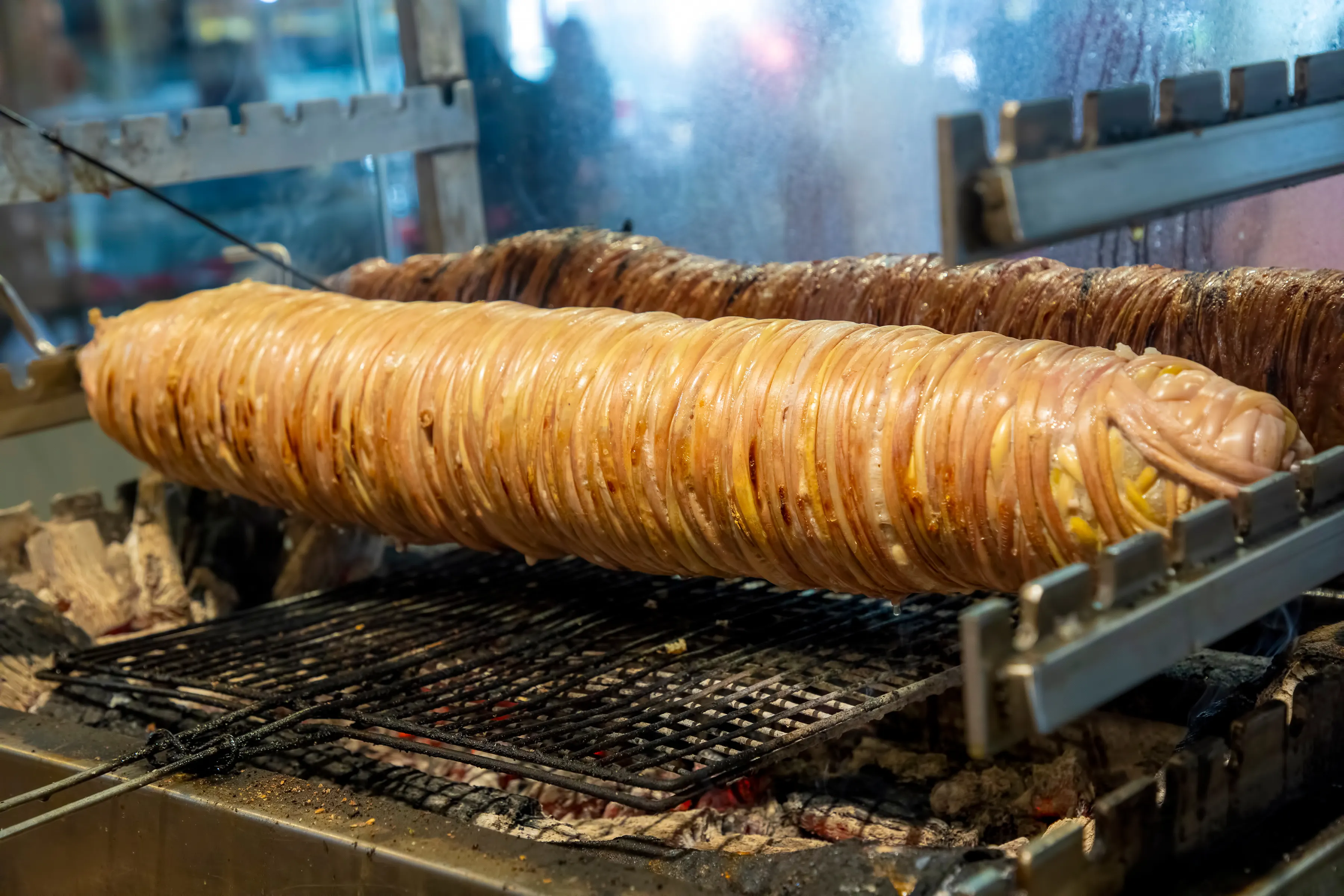
Seasoned lamb intestines wrapped around a spit of offal, slow-grilled over charcoal, then chopped with two heavy knives on a wooden board and served in bread with oregano, pul biber, and salt. The smell is charred lamb fat and black pepper. The texture is tender with a slight crisp. Most visitors avoid it on sight and then regret it later.
When: Late night, especially after drinking. Also served at lunch.
What to look for: A visible rotating spit with clear browning. The chopping
should be loud and rhythmic.
Where: Beyoğlu back streets, the late-night stalls in Beşiktaş, and
scattered through Kadıköy. The street food
ranking maps the best stalls.
10. Midye dolma (stuffed mussels)
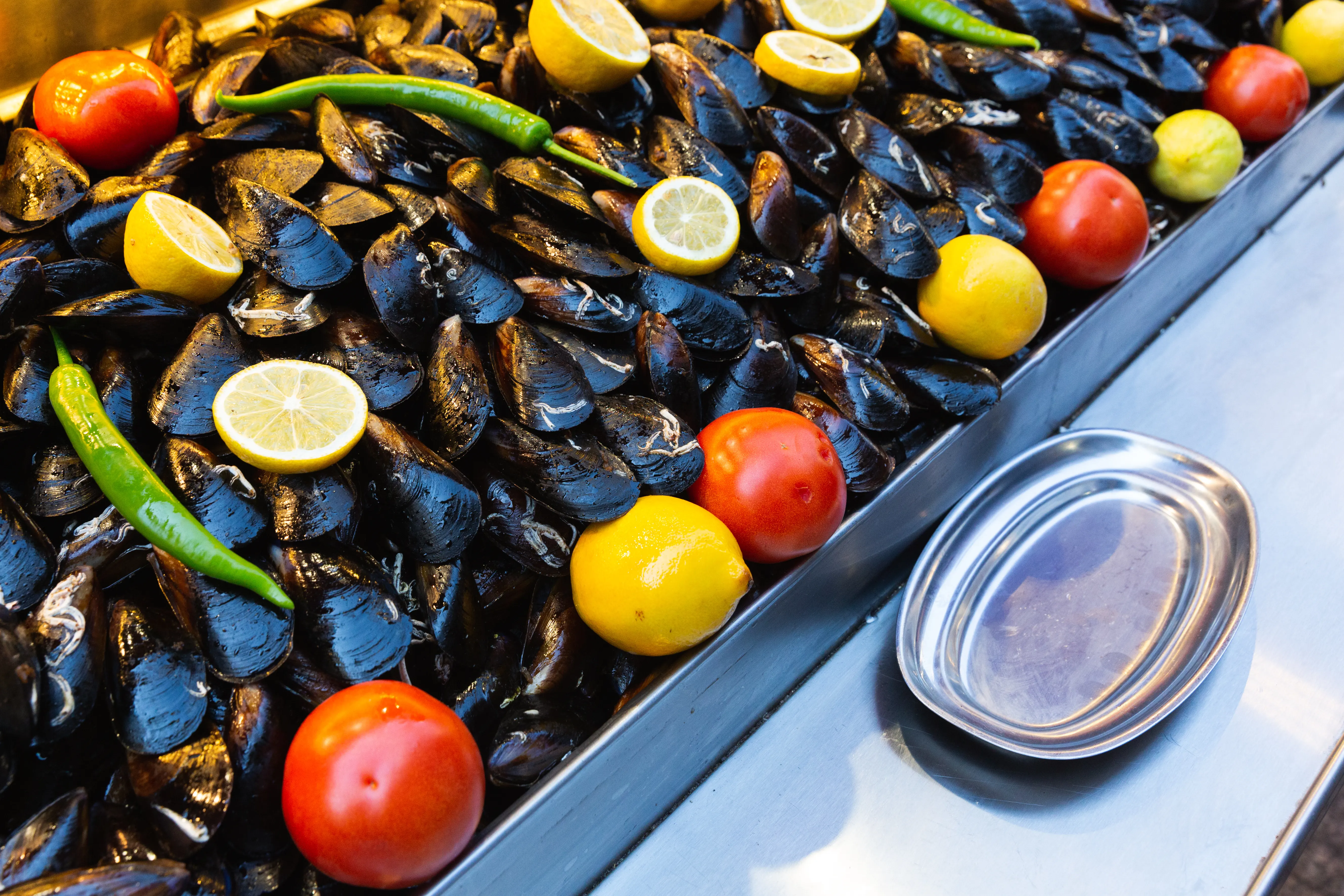
Cold mussels stuffed with spiced rice, served from a tray by a street vendor who cracks them open, squeezes lemon on them, and hands them to you one at a time. You eat the mussel and rice off the half-shell in a single bite. About 25 to 35 lira each (around 70 cents).
When: Anytime. They are cold, so time of day matters less than freshness.
What to look for: A busy stall with a large, cold tray. Mussels should look
plump and glossy. If the tray is in the sun, walk past.
Where: High-volume corners in Kadıköy, Beşiktaş, and Taksim.
11. Meze
Small plates served at meyhane restaurants as the opening course of a long, rakı-fueled dinner. The waiter brings a tray of 15 to 25 cold preparations, and you point at four to six.
Essential plates: haydari (thick yogurt with garlic and dill), acılı ezme (spiced tomato and pepper paste, the hottest thing on the table), lakerda (salt-cured bonito, almost impossible to find outside Istanbul), fava (broad-bean purée with olive oil), and patlıcan salatası (smoky eggplant dip). Hot meze follows: fried calamari, shrimp casserole, grilled halloumi.
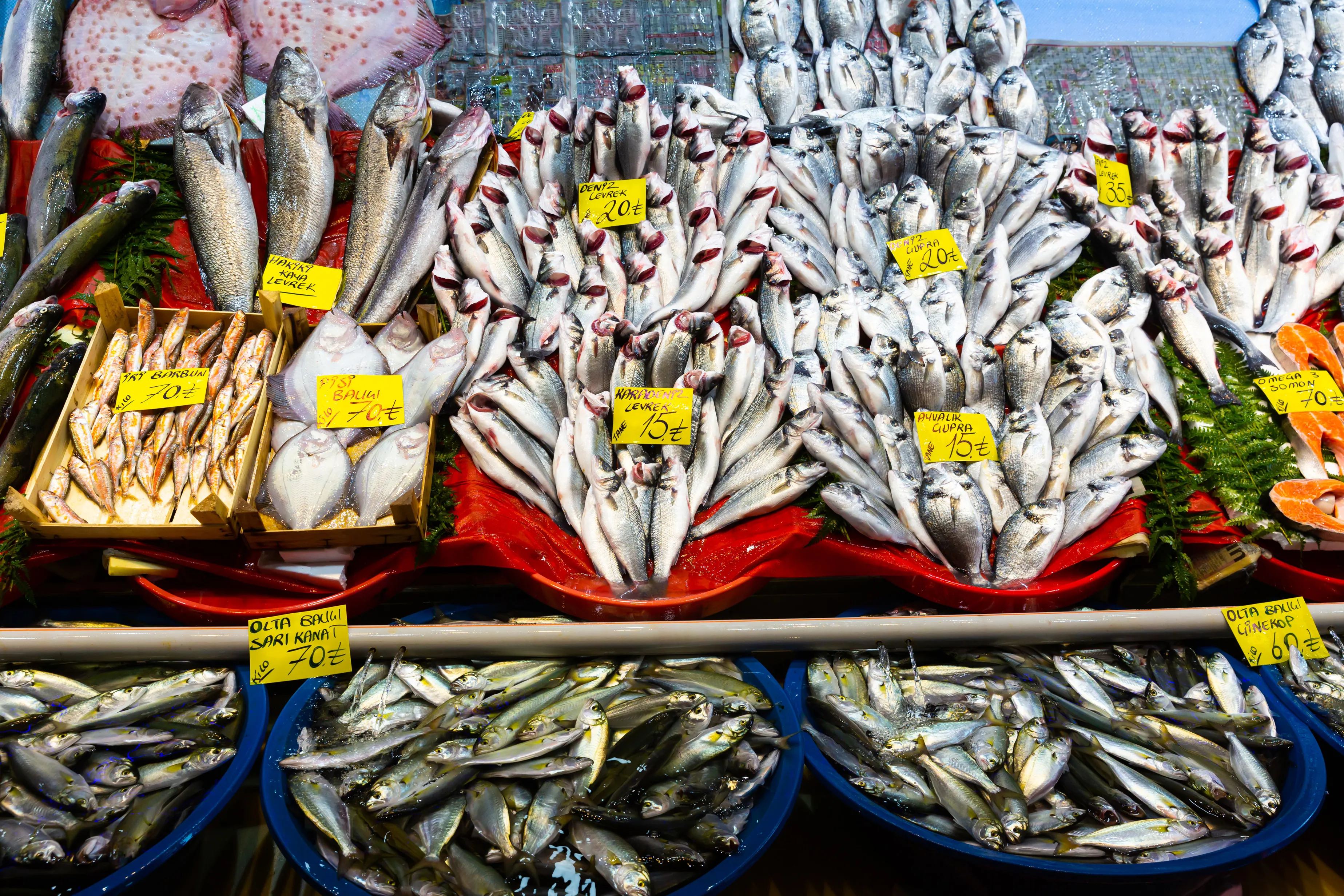
When: Dinner, starting around 8pm. Allow three hours.
What to look for: A meyhane where locals are already eating. The tray should
look fresh and varied.
Where: Kadife Sokak in Kadıköy, the
waterfront meyhanes in Karaköy, or Nevizade street in
Beyoğlu. A proper meyhane dinner runs 35 to 70 dollars per person with drinks.
12. Baklava
Thin layers of filo pastry, pistachio (or walnut), and light syrup. The Gaziantep style, with bright-green pistachios visible between the layers, is the one to look for. A good piece is crisp, not soggy. The syrup should be light enough that you taste the butter and nut.
When: Afternoon or after dinner.
What to look for: Vacuum-packed trays if you want to take some home.
Where: Karaköy Güllüoğlu is the benchmark. Expect 2000 to 2500 lira per kilo and 300 to 500 lira for a porsion.
13. Künefe
Shredded kadayıf pastry pressed around a filling of unsalted, stringy cheese, baked until golden, then soaked in sugar syrup. Served hot. The contrast of crunchy exterior, melting cheese, and syrup is odd and very good.
When: After dinner. Order it at a restaurant or sweet shop, not a street
stall.
What to look for: The cheese should still pull when it arrives at the
table.
Where: Tatlıcı (sweet shops) in Taksim, Fatih, and Kadıköy. Some meyhanes
serve it too.
14. Tea (çay)
Black tea, brewed strong, served in small tulip-shaped glasses without milk. Sugar is optional. Tea is not really a beverage in Istanbul. It is social infrastructure. It arrives at your shop visit, your barber appointment, your breakfast, your dinner, and your walk home.
When: All day. Every day.
What to look for: A glass hot enough that you hold it by the rim.
Where: Everywhere. Ferry decks, çay gardens, street-side plastic stools. If
someone offers you tea, the correct answer is yes.
15. Turkish coffee (Türk kahvesi)
Finely ground coffee brewed in a small copper pot (cezve) with water and sugar, poured into a cup with the grounds still in it. You sip slowly and stop when you hit the mud at the bottom.
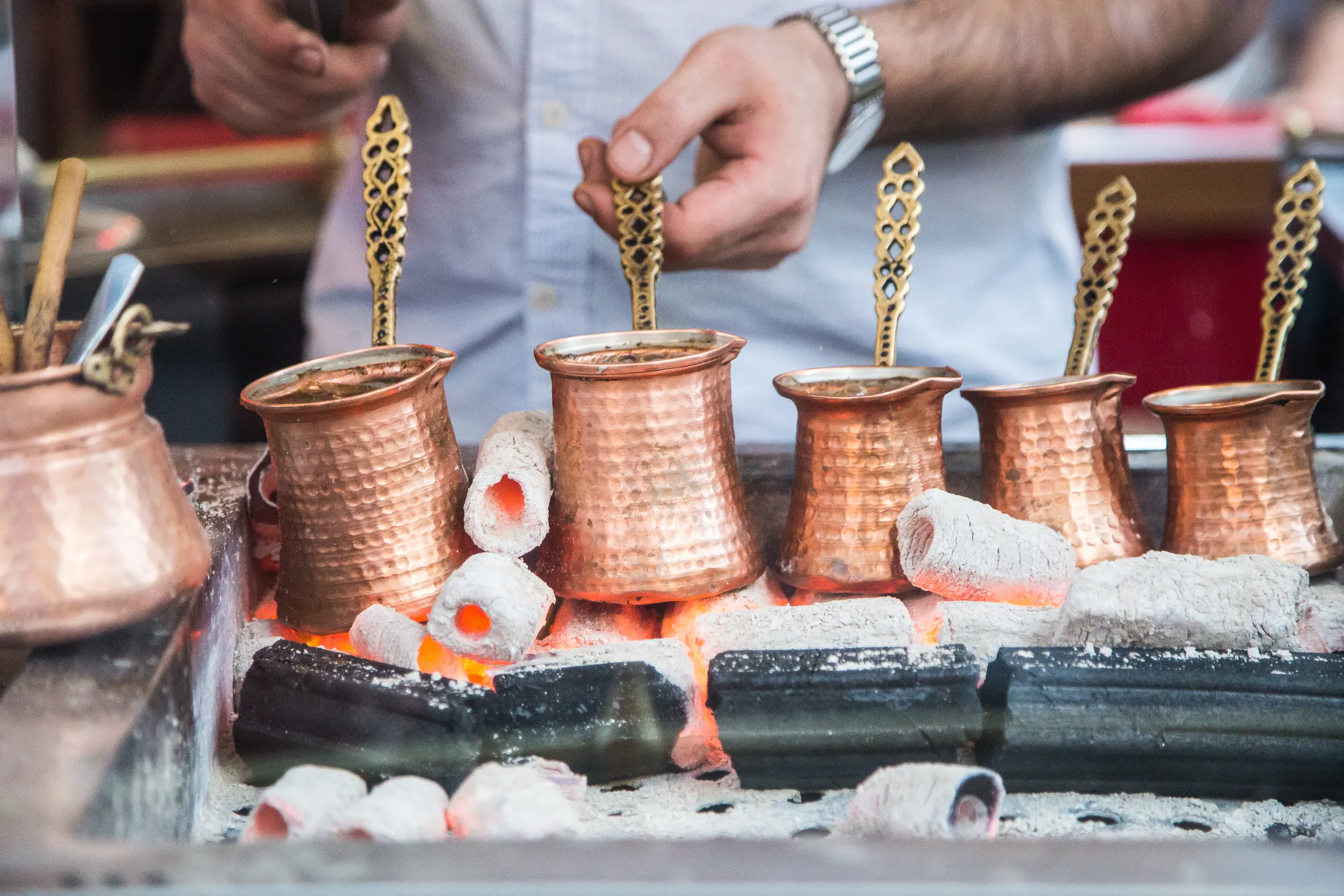
When: After a meal, or at a café in the afternoon.
What to look for: Order it "sade" (no sugar), "az şekerli" (a little sugar),
or "orta" (medium).
Where: Kurukahveci Mehmet Efendi near the Spice Bazaar sells the most famous
beans. For drinking, any traditional kahveci in Kadıköy or Karaköy.
What to eat in Istanbul by time of day
Breakfast (8am to 11am)
A full serpme kahvaltı is the marquee meal. If you do not have two hours, order menemen (scrambled eggs with tomato and green pepper) at any café, or grab a simit and a glass of tea from a ferry-terminal cart. Börek from a fresh börekçi is another fast option.
Mid-morning snacks (11am to noon)
This is simit and çiğ köfte territory. Light, portable, meant to carry you to lunch. Street vendors selling fresh-squeezed orange or pomegranate juice are common near the Galata Bridge and in Kadıköy.
Lunch (noon to 3pm)
Lunch in Istanbul happens at lokantas: steam-table restaurants where you point at trays of pre-cooked dishes and build a plate. Rice, a stew, a salad, bread. A full lunch costs 400 to 800 lira (9 to 20 dollars). These places close when the food runs out, usually by 2 or 3pm. Do not arrive late. This is also strong pide and lahmacun time.
Afternoon (3pm to 6pm)
The dead zone. Most restaurants are between services. This is when you eat baklava, drink coffee, or sit in a çay garden watching the Bosphorus. Karaköy Güllüoğlu is ideal for a mid-afternoon baklava stop.
Dinner (7pm to 11pm)
Meyhane dinners start at 8pm and stretch past midnight. If you are not doing meze, the ocakbaşı grill restaurants and regional kebab houses are the other strong option. Fish restaurants along the Bosphorus serve well but charge steep prices in some spots.
Late-night food (11pm to 3am)
Istanbul's late-night food is some of its best. Kokoreç stalls fire up after dark. Islak hamburger (steamed burgers from a glass case, better than they sound) cluster around Taksim Square. Soup shops (çorbacı) serve tripe soup (işkembe) and lentil soup to night-shift workers and anyone coming out of a bar.
Where to eat in Istanbul by neighborhood
Istanbul's food changes block by block. What follows is a neighborhood-by-neighborhood breakdown of where to eat and what each area does best.
Eminönü and Sirkeci
The old commercial heart. Home to the Spice Bazaar, the fish market, and streets of hardware shops behind it. Best for street food, spice shopping, and the bustle of a working market. The Sultanahmet & Eminönü food guide covers the specific stalls and restaurants. Prices climb the closer you get to the Galata Bridge, so walk a few blocks inland if you want the local rate.
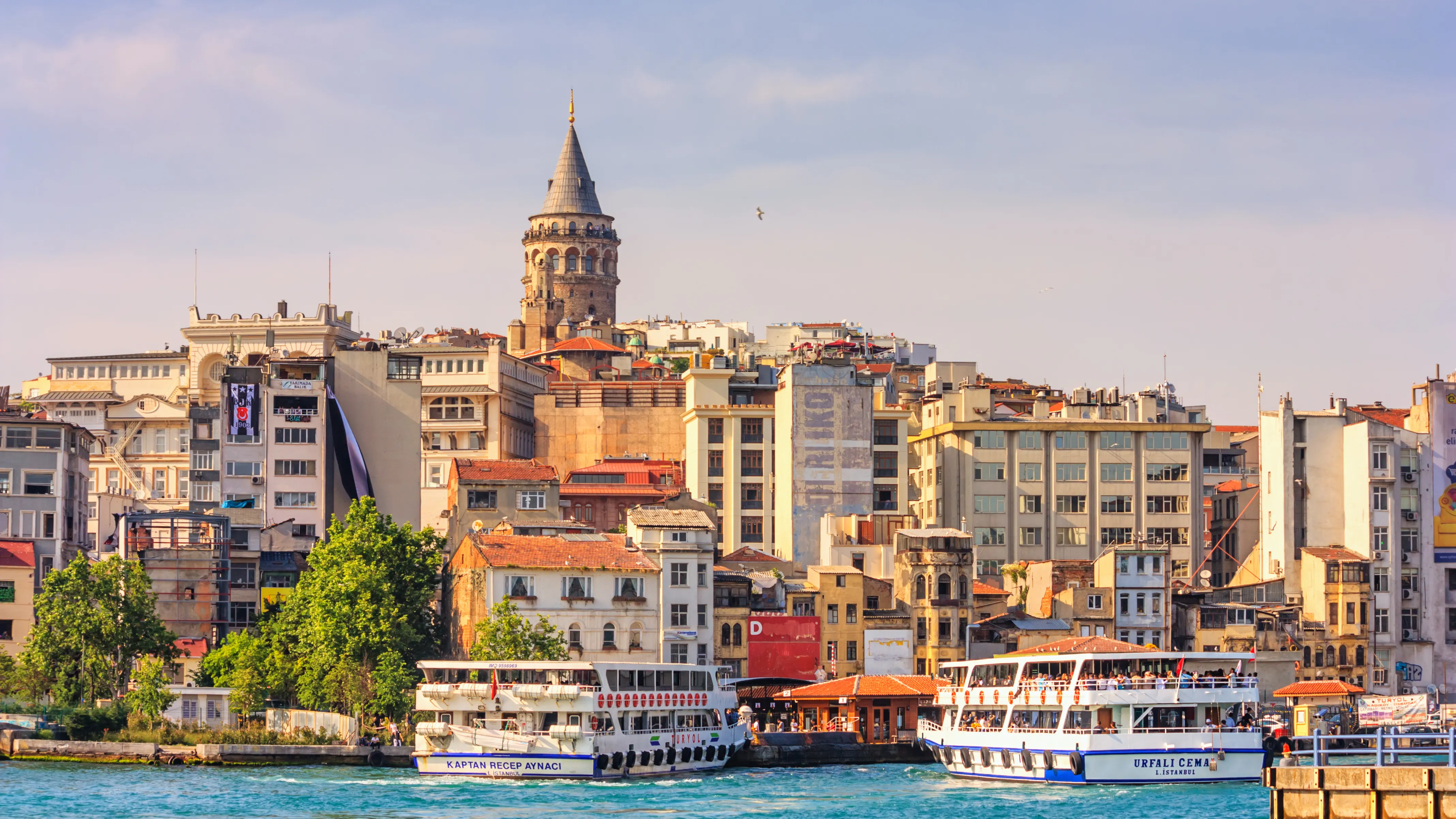
Karaköy
Former dockside neighborhood turned food and coffee hub. Best for balık ekmek at the fish market, third-wave coffee, waterfront meyhane dinners, and Karaköy Güllüoğlu's baklava. Walkable from Eminönü across the Galata Bridge. The Karaköy food guide has the full map.
Kadıköy (Asian side)
Where many Istanbullus go to eat on weekends. Best for the Kadıköy produce market, meze dinners on Kadife Sokak, fresh fish, and the highest concentration of independent food shops in the city. Take the ferry from Eminönü or Beşiktaş (20 minutes). The Kadıköy food guide maps the market and surrounding streets.
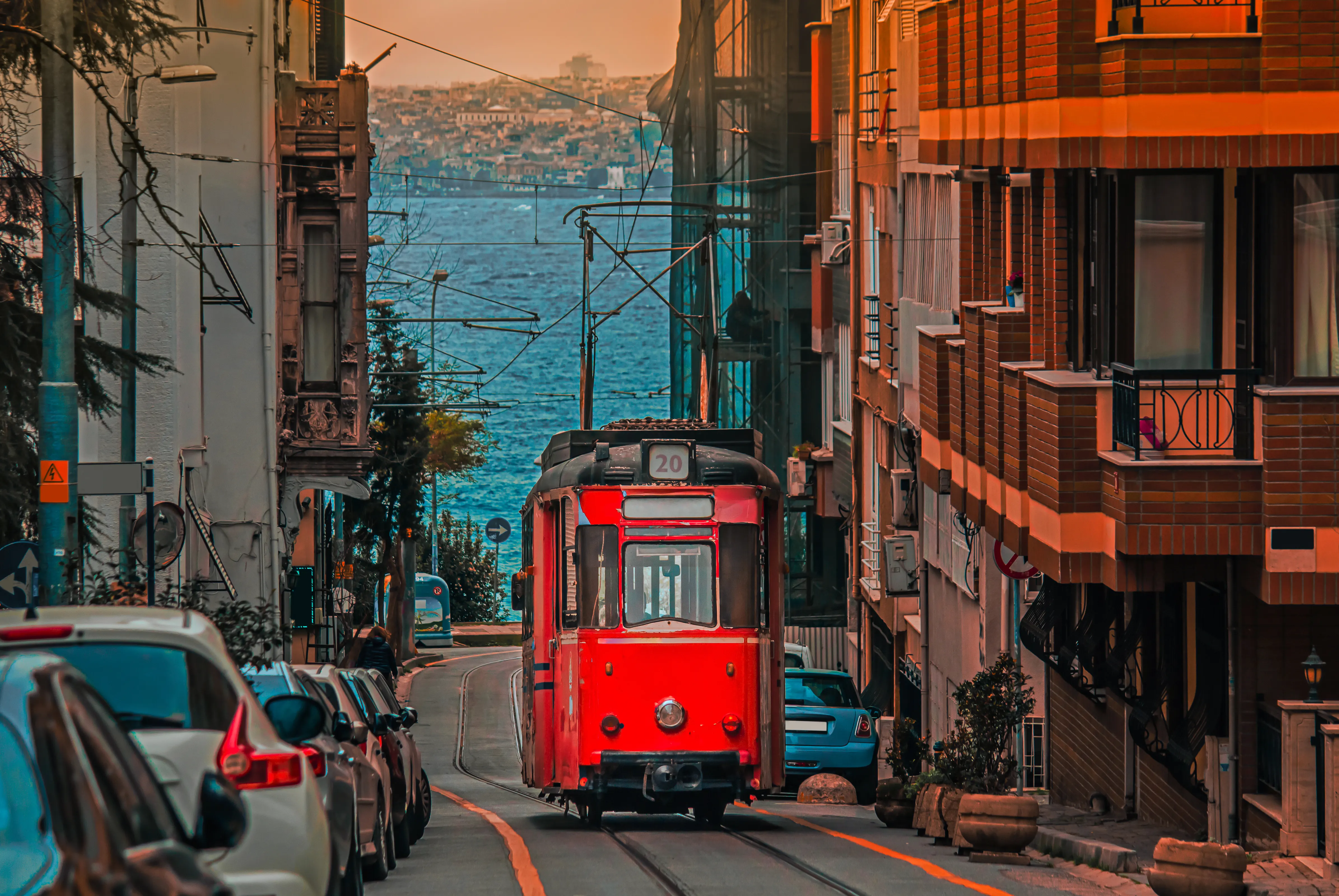
Beşiktaş
Residential, local-feeling, and undervisited by tourists. Best for an authentic Turkish breakfast near the Saturday market (Pazar Yeri), cheap lokanta lunches, and some of the city's busiest midye dolma stalls. Not much fine dining. That is the appeal.
Beyoğlu and Taksim
The entertainment district. İstiklal Caddesi is noisy and tourist-heavy, but the side streets hide good meyhanes on Nevizade, solid kebab houses, and late-night food around Taksim Square. Best for nightlife eating, ocakbaşı grills, and variety. Also the part of the city with the most tourist traps per square meter. Stay on the side streets.
Fatih
Conservative, residential, and the center of regional Anatolian food in Istanbul. Best for cağ kebab, lahmacun, pide, and foods brought by communities from eastern Turkey. The streets around Aksaray have some of the cheapest and most distinctive eating in the city. Few tourists. Very good food.
Balat
The old Jewish and Greek quarter along the Golden Horn. Colorful houses, narrow streets, a growing number of small cafés. Best for coffee, brunch, and walking. The food scene is newer and more café-oriented than the other neighborhoods here, but worth a half-day if you are in the area.
How to spot a good place to eat
Five signals that work in almost every neighborhood.
High turnover. A restaurant with a line at 1pm is almost always a better bet than an empty one with a tout standing outside. Turnover means fresh food. Empty means sitting food.
Short menu. A restaurant that does eight things well is better than one doing sixty things badly. If the menu is a laminated book, you are probably in a tourist restaurant.
Locals eating. If the room is full of Turkish families and the menu is in Turkish, you are in the right place. If there is an English menu on a stand outside and the staff speak five languages, you are paying a premium.
Specialty focus. The best lahmacun comes from a lahmacuncu. The best pide from a pideci. The best kokoreç from a kokoreç stall. Specialists beat generalists in Istanbul.
No touts. If someone is standing outside the restaurant waving a menu and trying to lure you in, the food is not doing the job. Walk past. The good places do not need to recruit from the sidewalk.
Foods tourists misunderstand
Kebab is not one thing. Most visitors think of kebab as a döner wrap. In Istanbul, "kebab" covers dozens of distinct dishes from different regions, each cooked differently. Adana, İskender, cağ, şiş, beyti, tandır. Asking "where can I get a kebab?" in Istanbul is like asking "where can I get a sandwich?" in New York. The answer depends entirely on which one.
Breakfast is not one dish. Turkish breakfast is a format, not a plate. If you order "breakfast" at a café, you will receive a spread. If you want eggs, order menemen. If you want pastry, order börek. Knowing the vocabulary saves confusion.
Not all döner is good. The tourist-strip döner wraps near Sultanahmet and along İstiklal Caddesi are often the worst in the city. The spit is thin, the meat is dry, the price is inflated. A good döner comes from a dedicated dönercı inland from the tourist zone, where the spit is full and the carver is busy.
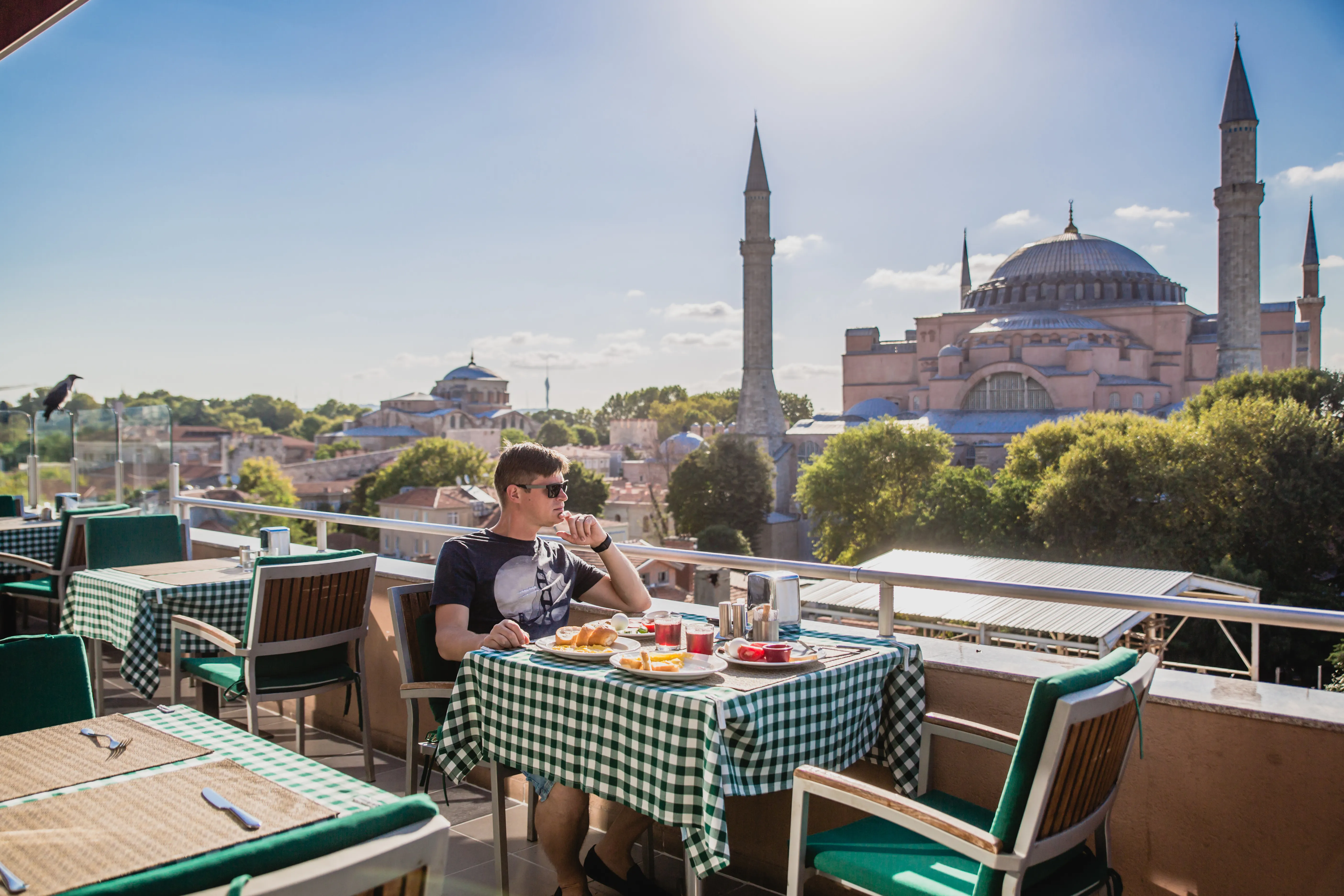
A view does not mean good food. The Bosphorus-view restaurants look spectacular. Some serve excellent fish. Many serve average food at triple the inland price. A rooftop view of the Blue Mosque is not a food recommendation.
Meyhane is not a restaurant. It is closer to a three-hour dinner ritual. You do not order from a printed menu. You point at a tray. The food comes in waves. You drink rakı slowly with water. If you walk into a meyhane, order a main course, and leave in 45 minutes, you have missed the point entirely.
Recommended restaurants and stalls
Specific, well-established places that have been consistently good. Not a comprehensive list and not a ranking. These are the names I would give a friend visiting for the first time.
Şehzade Erzurum Cağ Kebabı
Fatih. Cağ kebab, the Erzurum-style horizontal spit, cooked over wood and sliced to order. A small, no-frills place that does one thing well. About 500 to 800 lira per person. Google Maps
Lades Menemen
Beyoğlu. Menemen served in the pan it was cooked in. This place has been doing the same thing for decades and does not need to do anything else. Go before 11am. Google Maps
Zübeyir Ocakbaşı
Near Taksim. A proper ocakbaşı grill restaurant with an open charcoal pit and a menu of regional kebabs cooked in front of you. Good for groups. Reserve on weekends. Google Maps
Pandeli
Upstairs inside the Spice Bazaar building. Turkish-Ottoman cooking in a blue-tiled dining room that has operated since 1901. Not cheap, not cutting-edge, but a real experience if you are already in Eminönü. Google Maps
Kanaat Lokantası
Üsküdar, Asian side. A lokanta that has served home-style Turkish food since 1933. Go at lunch, point at the trays, and eat what is fresh that day. A full lunch with red meat dishes wont be more than 1000 lira. Having a soup and a vegetable dish will be 500 lira. Google Maps
Çiya Sofrası
Kadıköy. Regional Anatolian dishes you will not find elsewhere in Istanbul. The chef, Musa Dağdeviren, has spent decades researching disappearing recipes from across Turkey. The daily menu changes by season and region. Go at lunch, when the trays are fullest. Google Maps
Karaköy Güllüoğlu
Karaköy waterfront. Pistachio baklava, vacuum-packed for travel. The original Gaziantep family. There will be a line. It moves fast. Google Maps
Mikla
Beyoğlu, top floor of the Marmara Pera hotel. Mehmet Gürs' fine-dining restaurant using Anatolian ingredients with contemporary technique. The tasting menu is 6,000 - 8000 lira per person. The view over the Golden Horn earns part of that. Google Maps
Neolokal
Karaköy, inside the SALT Galata building. New Turkish cuisine that takes traditional ingredients seriously. Quieter and more focused than Mikla, with a menu that changes by season. Reserve ahead. Google Maps
Tarihi Karadeniz Pide
Fatih. Black Sea-style pide baked in a wood oven by a family that has done it for decades. Simple, cheap, better than most pide you will find elsewhere. Try the kaşarlı sucuklu. Google Maps
1-day, 2-day, 3-day food plans
These are realistic eating itineraries built around geography and energy. Adjust based on your hotel location and how much walking you can handle in a day.
One day: the essentials
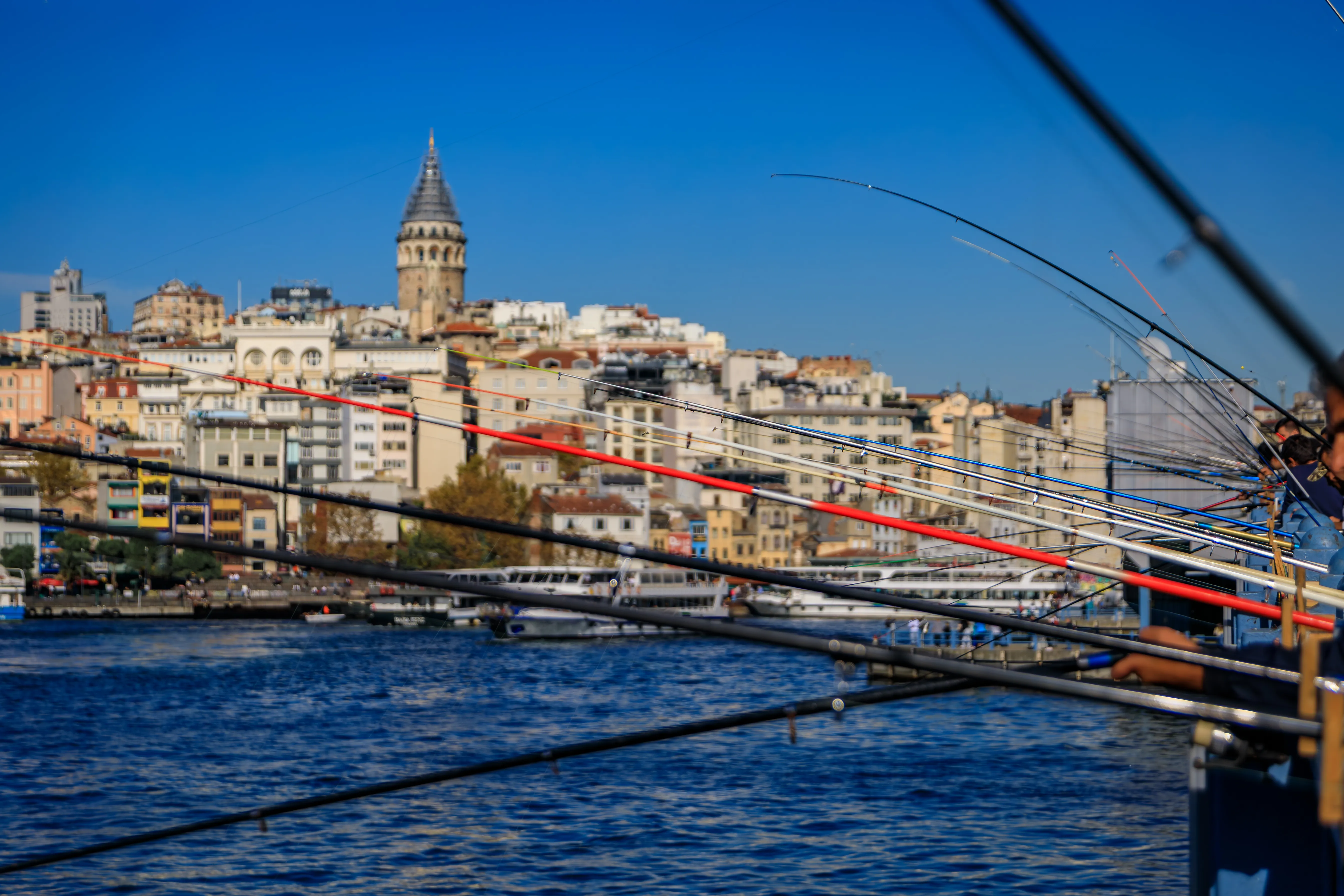
Morning. Start at the Eminönü waterfront. Grab a simit from the ferry-terminal cart. Walk through the Spice Bazaar. Cross the Galata Bridge on foot to Karaköy and eat a balık ekmek at the fish market stalls.
Afternoon. Walk uphill to Beyoğlu. Stop at Karaköy Güllüoğlu for baklava on the way. Explore the side streets around İstiklal. Have a Turkish coffee at a quiet café.
Evening. Meyhane dinner in Karaköy or Kadıköy. If Kadıköy, take the ferry from Eminönü (20 minutes). Meze, fish, rakı. Allow three hours.
Two days
Day 1: Follow the one-day plan above.
Day 2 morning. Ferry to Kadıköy. Full Turkish breakfast at one of the Moda cafés. Walk through the Kadıköy produce market.
Day 2 lunch. Çiya Sofrası for regional Anatolian food. This may be the most important single meal in this entire guide.
Day 2 afternoon. Walk the market streets. Buy spices, dried fruit, or a cezve. The shopping guide has the details.
Day 2 evening. Return to the European side. Kebab dinner at Zübeyir Ocakbaşı or Şehzade Erzurum Cağ Kebabı.
Three days
Days 1 and 2: Follow the two-day plan.
Day 3 morning. Breakfast in Beşiktaş near the Saturday market (or whichever morning the local pazar is running). Menemen at a local café, or a simple börek-and-tea from a bakery.
Day 3 lunch. Lokanta lunch in Fatih. Point at trays. Eat beans, rice, lamb stew. Try pide at Tarihi Karadeniz Pide.
Day 3 afternoon. Explore Balat on foot. Coffee and a pastry at one of the small cafés.
Day 3 evening. If you have not had kokoreç yet, tonight is the night. Late-night stalls in Beyoğlu or Beşiktaş. Then a cup of lentil soup from a çorbacı to close it out.
For a more detailed walking route, the self-guided Istanbul food tour covers a half-day on foot with timing and directions.
Common mistakes visitors make
Eating only near tourist sites. The restaurants within 200 meters of Hagia Sophia and the Blue Mosque are some of the weakest in the city. Walk ten minutes in any direction and the quality improves.
Skipping breakfast. Turkish breakfast is one of the best meals in the country. Most visitors sleep through it or eat the hotel buffet, which is not the same thing.
Over-ordering at a meyhane. Four cold meze, two hot meze, and a shared fish is plenty for two people. First-timers order too much and end up full before the fish arrives.
Ignoring the Asian side. Kadıköy is a 20-minute ferry ride from Eminönü and has some of the best eating in the city. Many visitors never cross the Bosphorus.
Trusting restaurant touts. Anyone waving a menu at you from the sidewalk and promising "best kebab in Istanbul" is selling you a bad meal at a high price.
Drinking too fast at a meyhane. Rakı is 45 percent alcohol. It is sipped slowly with food and water over three hours. It is not a shot.
Drinks in Istanbul
Tea (çay). The most consumed drink in the city. Black, strong, tulip glass, no milk. Sugar cubes on the side. Offered everywhere: shops, meetings, barbershops, taxi repairs. Refusing is fine. Accepting is better.
Turkish coffee (Türk kahvesi). Fine grounds brewed in a cezve with water. Thick, strong, served with the sediment. Sip slowly and stop before the mud. Often served with a piece of lokum on the side.
Ayran. Cold, salted, frothy yogurt drink. Served with kebabs, grilled meat, and heavy lunches. It sounds odd if you have not tried it. It works perfectly. About 20 to 30 lira at a restaurant.
Rakı. Anise spirit, 45 percent alcohol, poured over ice and diluted with cold water until it turns cloudy white ("lion's milk"). The meyhane drink. Always consumed with food. A 70cl bottle at a restaurant runs 2500 to 7000 lira depending on brand.
Salep. A winter drink. Hot milk thickened with ground orchid root, dusted with cinnamon. Slightly viscous, faintly earthy. Sold from street carts November through March. Most versions now use a cornstarch substitute because real orchid root is restricted. If you find the genuine thing, it is worth the price.
Desserts worth trying
Baklava. Filo, pistachio, light syrup. The Gaziantep pistachio version is the one to seek out. Karaköy Güllüoğlu is the standard. Buy a small box. A kilo is too much for two people.
Künefe. Shredded pastry, unsalted cheese, sugar syrup. Served hot. The cheese should still be stretchy when it arrives. Best from a dedicated tatlıcı after dinner.
Sütlaç. Rice pudding baked until the top forms a brown crust. Served cold. Simpler and less sweet than most Western desserts. Common at lokantas and pudding shops (muhallebici). About 250 to 350 lira.
Lokum (Turkish delight). The real version is soft and gives slightly under your finger. Rose, pistachio, and mastic are the classic flavors. The shrink-wrapped tourist boxes at the airport are a different product. Buy from a dedicated confectioner. Şekerci Cafer Erol in Kadıköy has been making lokum since 1807.
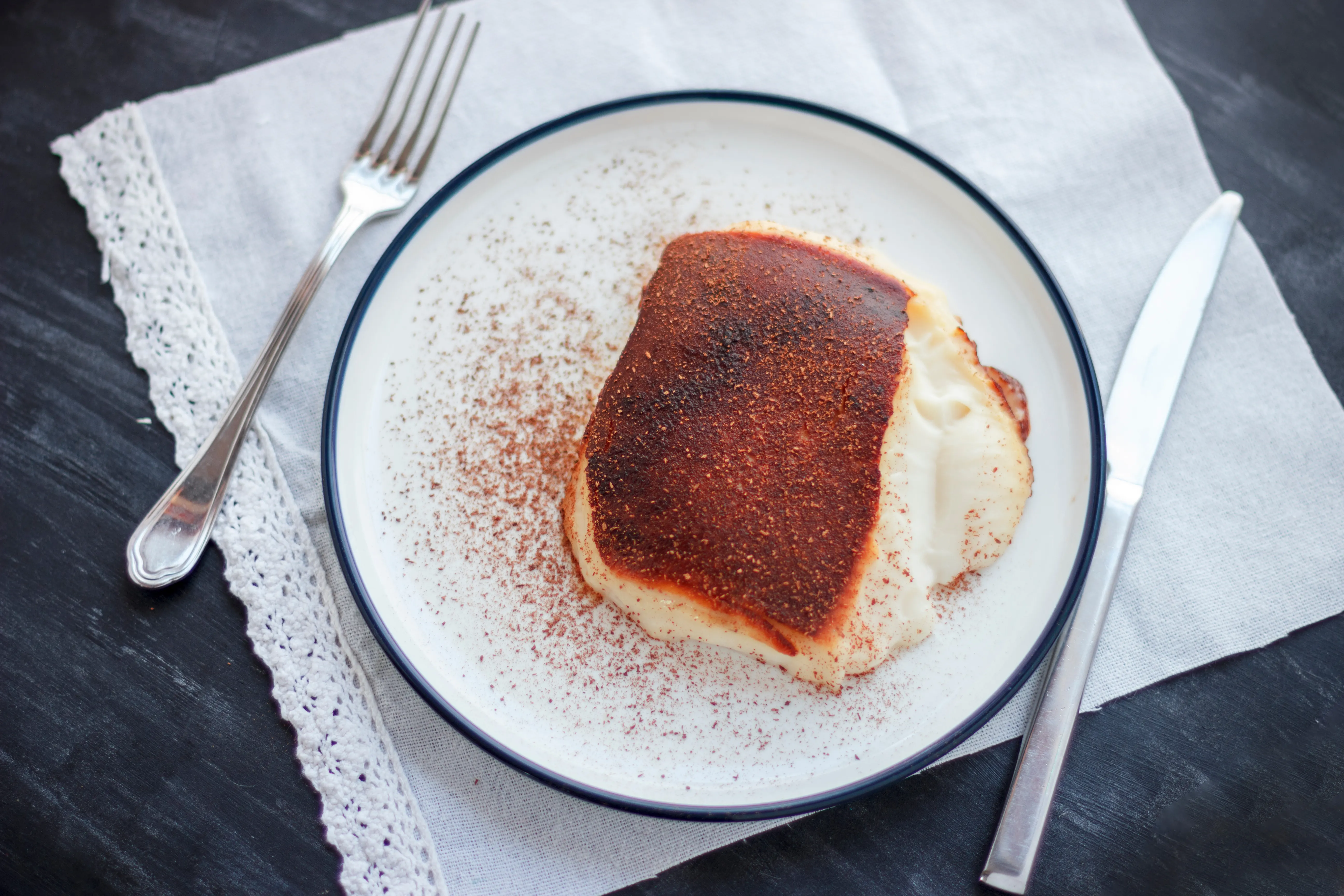
Kazandibi. Milk pudding whose underside caramelizes against the pot before being flipped and served. The dark strip on top is the burnt layer. Subtle, slightly smoky, rarely too sweet. One of the most underrated desserts in the city.
Should you take a food tour?
A food tour is worth it if this is your first time in Istanbul, you have fewer than three days, and you want to compress a week of food education into four hours. A good guide takes you to stalls you would not have found alone and orders things you would not have known to ask for.
It is less useful if you are a return visitor, a confident eater, or staying long enough to explore on your own. The food is not hard to find. The value of a tour is in the context and the decision-making it handles for you.
Group tours run 80 to 150 dollars per person. Private tours run 150 to 500 dollars. The ranking of the best Istanbul food tours covers which ones are worth booking. If you prefer to do it yourself, the self-guided food tour is a free half-day walking route covering the same ground.
Glossary
- Meyhane
- A tavern-style restaurant centered on meze, fish, and rakı. The closest equivalents are a Greek taverna or a Spanish bodega. Dinners are long (three hours), social, and alcohol-forward. This is where Istanbul's food is at its most generous.
- Esnaf lokantası
- "Tradesmen's restaurant." Steam-table lunch spots where you point at trays of pre-cooked dishes. Cheap (300 to 500 lira for a full meal), filling, used daily by office workers and shopkeepers. Go at noon, not at 2pm.
- Ocakbaşı
- Literally "fireside." A grill restaurant built around an open charcoal pit where kebabs, chops, and vegetables are cooked in front of you. Louder and meatier than a meyhane.
- Meze
- Small dishes served at the start of a meyhane dinner. Cold meze (dips, cured fish, stuffed grape leaves) come first. Hot meze (fried calamari, shrimp, grilled halloumi) follow. You do not order from a printed menu. You point at a tray.
Practical tips
Istanbul food guide: frequently asked questions
What food is Istanbul known for?
Istanbul is known for kebabs, baklava, simit, meze spreads, fish sandwiches (balık ekmek), stuffed mussels (midye dolma), Turkish breakfast, and meyhane dining. The city draws on dozens of regional traditions, so the full range is much wider than any short list suggests.
What is the best street food in Istanbul?
Midye dolma (stuffed mussels), balık ekmek (fish sandwiches), simit, kokoreç, and çiğ köfte are the most popular. Quality varies by stall, so look for high turnover and busy counters. Our street food ranking covers the best stalls by neighborhood.
How much does food cost in Istanbul?
Street food runs 2 to 5 dollars per item. A sit-down lunch at a lokanta costs 8 to 15 dollars. A full meyhane dinner with drinks runs 35 to 100 dollars per person. Istanbul is significantly cheaper than most European capitals for food of comparable quality.
What are the best neighborhoods for food in Istanbul?
Kadıköy for market produce and meyhane dinners. Karaköy for fish, coffee, and newer restaurants. Eminönü for street food and bazaar snacks. Beşiktaş for local breakfasts and lokantas. Fatih for regional Anatolian cooking. Beyoğlu for late-night variety.
Is street food safe in Istanbul?
Yes, for the vast majority of visitors. The key is turnover. A busy midye dolma stall selling hundreds of mussels an hour is safer than a quiet restaurant with food sitting under a heat lamp. Stick to crowded stalls and you will be fine.
Final thoughts
Istanbul is a city you understand through its food. Not through the monuments or the guidebook summaries, but through the meals. The way a simit vendor sits beside his cart reading the newspaper, not pushing the product. The way a meyhane waiter knows exactly how much meze to bring. The way a ferry terminal at 8am smells like sesame and strong tea.
You do not need to eat everything on this list. You do not need to visit every neighborhood. Just eat slowly, pay attention, and let the city show you how it feeds itself.