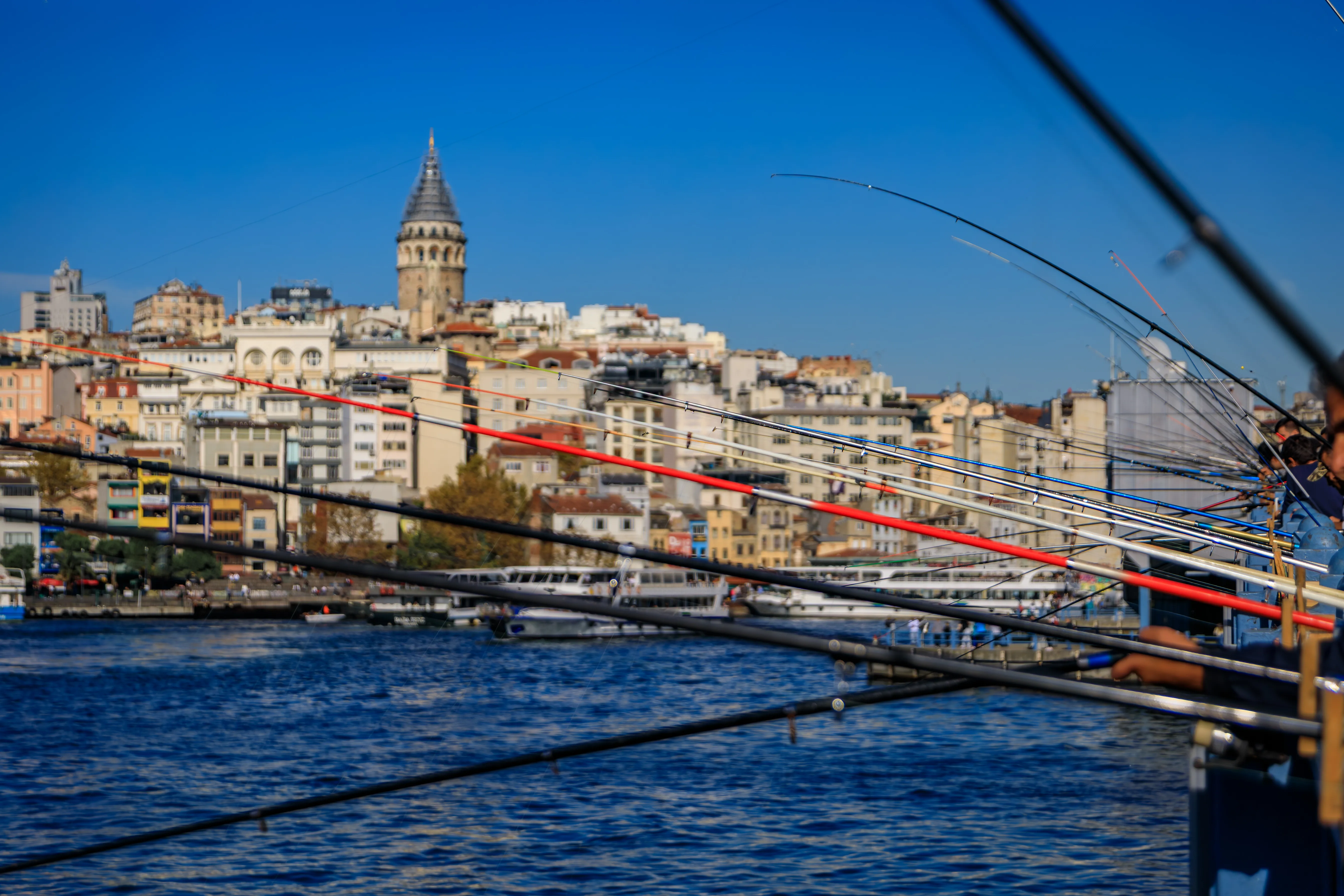
Sultanahmet and Eminönü are the historic heart of Istanbul and, for most first-time visitors, the first place they try to eat. The area contains the Hagia Sophia, the Blue Mosque, Topkapı Palace, the Spice Bazaar, the Galata Bridge and 500 years of Ottoman food history. It also contains more tourist-trap restaurants per square metre than anywhere else in the city. This Sultanahmet and Eminönü food guide is built around that tension: how to eat well here without eating badly along the way.
Most of the good food in this neighbourhood is one block off the main tourist route, run by families who have been there for fifty or a hundred years, and priced in lira rather than euros. If you know which streets to turn down and which restaurants to book, the historic peninsula is still one of the best places in Istanbul to eat.
The area at a glance
The historic peninsula is small. Everything described below sits inside a one-mile walk. It helps to split the area into four zones, each with a different food character.
- Sultanahmet Square
- The historic core: Hagia Sophia, the Blue Mosque, Topkapı Palace, the Hippodrome. High concentration of tourists and of tourist-oriented restaurants. The good places here are mostly one or two streets off the square (Caferiye Sokak, Akbıyık Caddesi, the Arasta Bazaar backstreets).
- Eminönü waterfront
- The area around the Galata Bridge, the ferry piers and the New Mosque (Yeni Cami). Home to the balık ekmek boats, the midye dolma sellers and the simit carts. Loudest, cheapest, best for standing-and-eating.
- Spice Bazaar and Tahtakale
- The 1660 Spice Bazaar (Mısır Çarşısı) sits at the Eminönü end. Behind and above it, the Tahtakale district is a working-class bazaar of hardware shops, coffee roasters, börek bakeries and lokantas. This is where coffee culture landed in the 1500s.
- Sirkeci
- North-west of Sultanahmet, around Sirkeci train station and the tram line. Quieter, more workaday than the square. Some of the better old-school lokantas and köfte spots are here. A useful transit zone when walking between the other three.
A good approach: start with breakfast or simit in Sultanahmet, cover the main sights by 11am, descend to Eminönü for street food, go through the Spice Bazaar, then loop up into Tahtakale before an afternoon coffee. Dinner back in Sultanahmet at a booked restaurant. One day, seven stops, everything in walking distance.
Why this area matters for food
Three traditions stack on top of each other here.
Ottoman palace cuisine
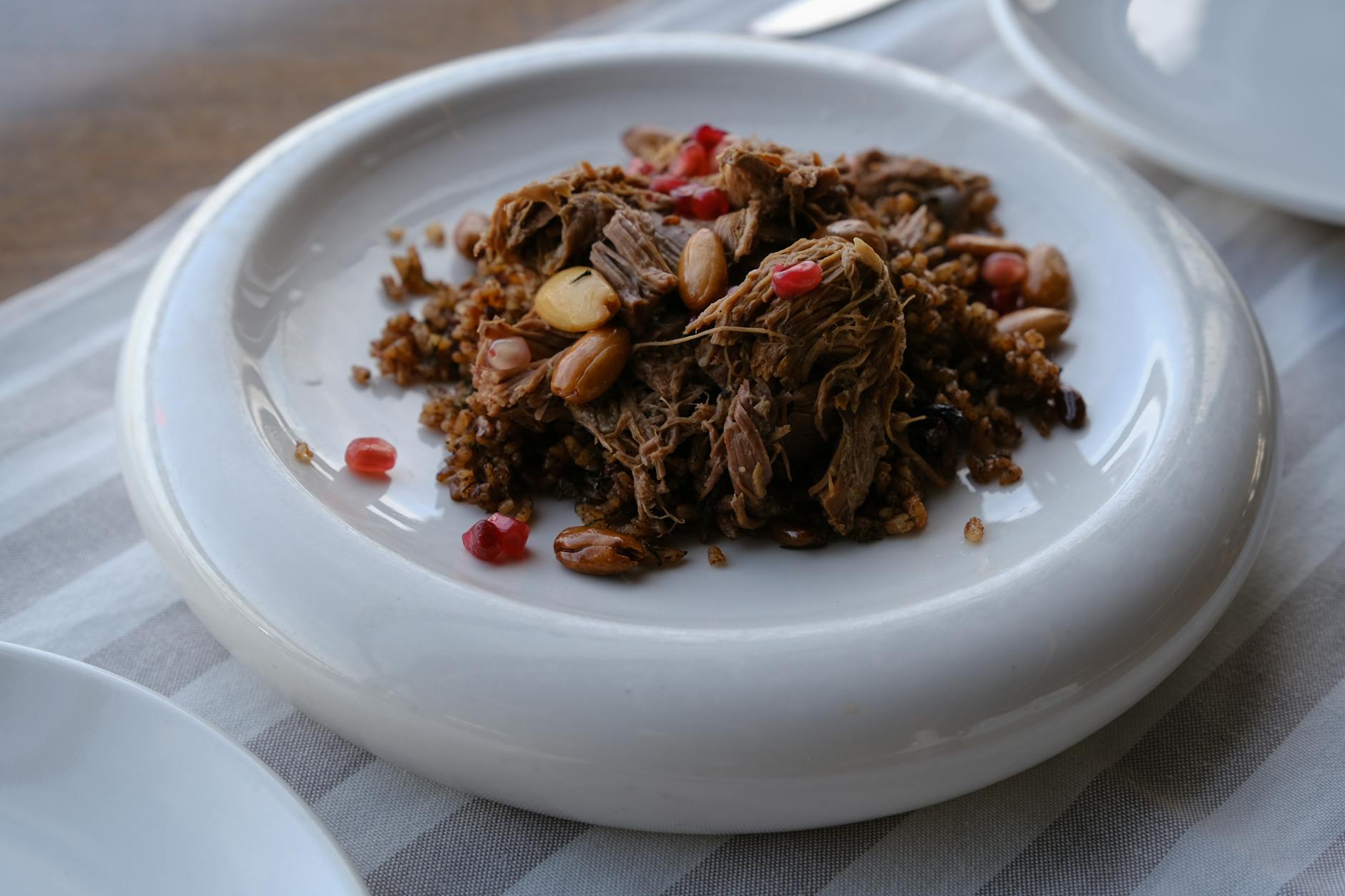
Topkapı Palace was the imperial kitchen of the Ottoman empire for 400 years. At its peak, 1,300 cooks worked in its kitchens feeding the court. The techniques, dish names and ingredients they codified (hünkar beğendi, paça, pilafs with lamb and pine nuts, stuffed vegetables) define what most of the world thinks of as "Turkish food". A handful of Sultanahmet restaurants, Matbah and Deraliye among them, specialise in recreating palace dishes from archival cookbooks.
Trade routes and the spice economy
The Spice Bazaar opened in 1660 as part of the New Mosque complex and was funded by taxes on goods arriving from Egypt (hence its Turkish name, Mısır Çarşısı, "Egyptian Bazaar"). For centuries it was where spices from the Indian Ocean caravans arrived in the European market. The surrounding streets (Tahtakale, Uzunçarşı) still sell coffee, pepper, saffron, tea and dried fruit in bulk to Istanbul's restaurants.
Street food evolution
The balık ekmek tradition goes back at least to the 1840s, when fishermen at Eminönü started grilling their catch and selling sandwiches to dock workers. Midye dolma, simit and kokoreç were working-class street foods long before they were tourist foods. The formats have not changed much. The prices have.
What to eat in Sultanahmet and Eminönü
A short list of what is actually worth eating here, with notes on where each is best ordered.
- Balık ekmek (fish sandwich)
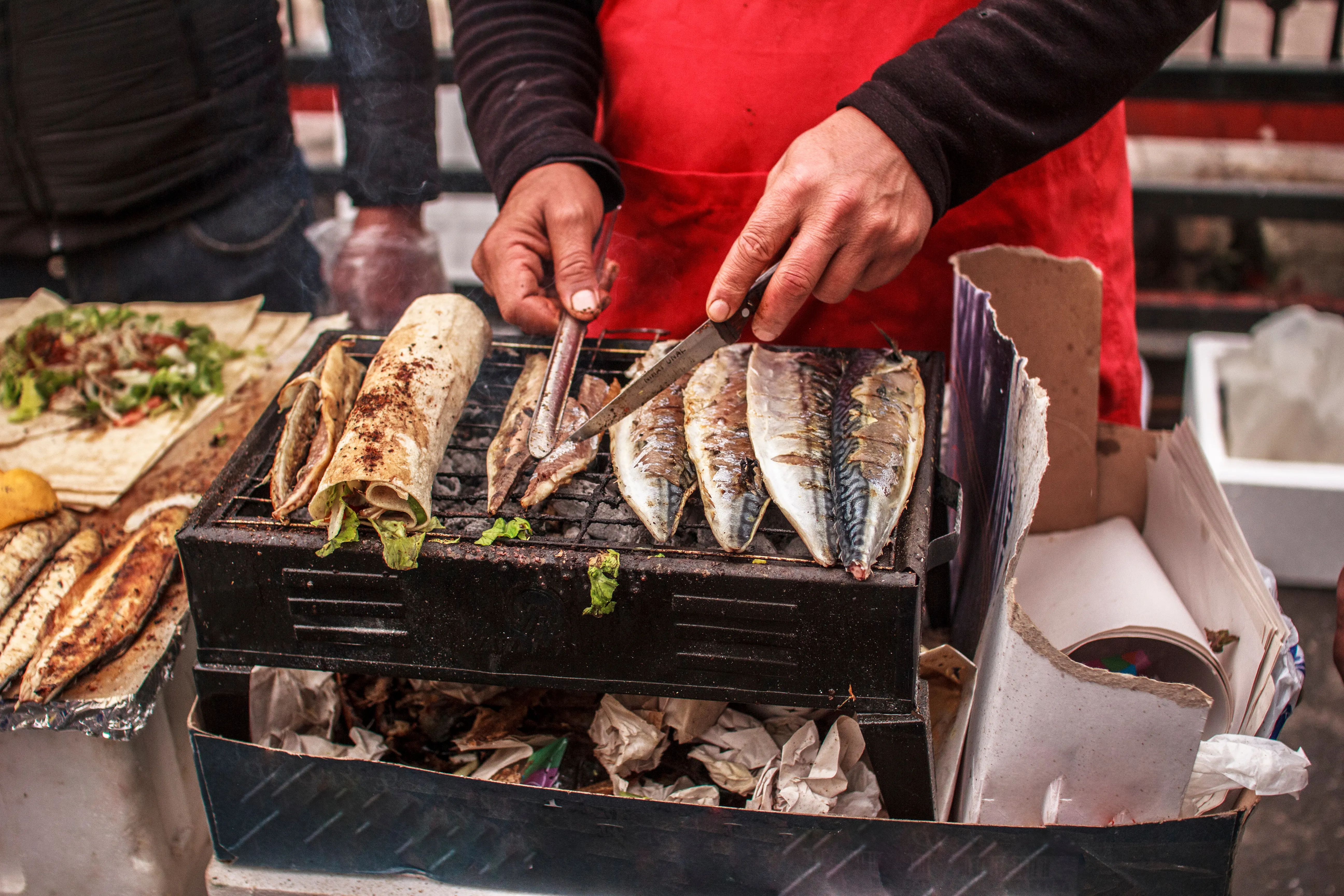
- Grilled mackerel fillet in a half loaf of white bread with raw onion, lettuce and lemon. From the ornate boats moored at the Eminönü waterfront, beside the Galata Bridge. Around $3-$5. Eat standing on the seawall.
- Midye dolma (stuffed mussels)
- Black mussels filled with spiced pilav, pried open in front of you, squeezed with lemon. 25-35 lira each. Stick to busy sellers with a visible cooler; skip any tray that has been sitting in the sun.
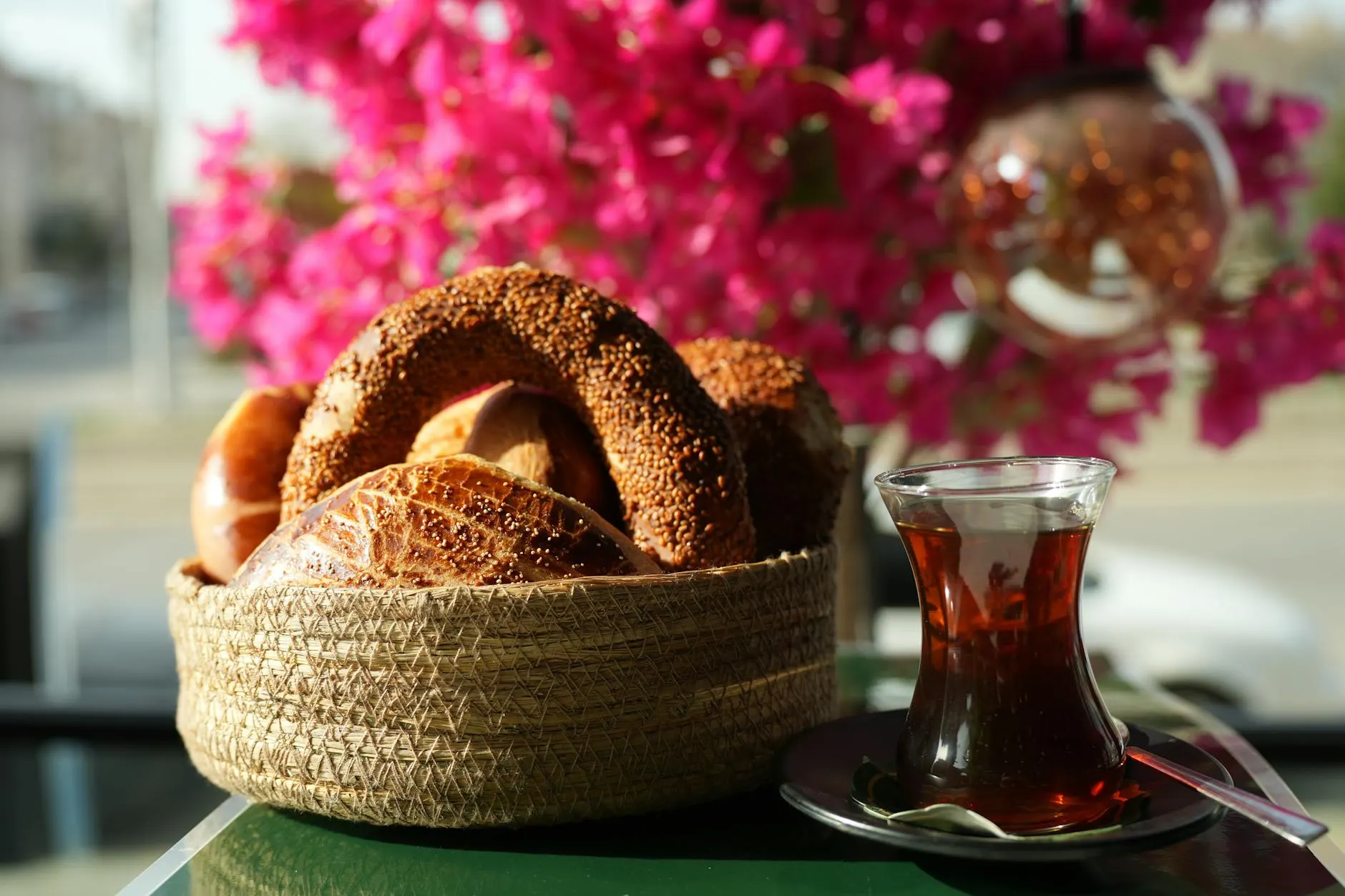
- Simit
- The sesame bread ring. Sold from red carts all over Sultanahmet, Eminönü and Sirkeci. Best at 8-9am when it is still warm. Pair with a tulip-glass of tea from the nearest seller.
- Döner kebab
- A sit-down Hamdi dinner with view is one use case. A stand-up lunch at a proper Sultanahmet döner shop is another. Both are worth doing. Skip the Sultanahmet Square "kebab houses" that have photo menus out front.
- Köfte
- Grilled hand-rolled meatballs with white beans, pilaf and pickles. Tarihi Sultanahmet Köftecisi, on Divanyolu since 1920, is the benchmark. Cheap, fast, and unchanged.
- Lahmacun
- Paper-thin flatbread with spiced minced lamb and parsley, rolled around lemon. Hamdi's version is as good as any in the old city. A cheap neighbourhood bakery will cost half the price and be 90 percent as good.
- Baklava
- Layered filo with pistachios or walnuts and syrup. Hafız Mustafa (since 1864) has the most visible Sultanahmet branch, though the baklava at Karaköy Güllüoğlu across the bridge is the reference point. Eat it with Turkish coffee.
- Künefe
- Shredded wheat pastry baked with stretchy unsalted cheese, soaked in syrup, served hot. Southern Turkish in origin. A few Sultanahmet spots do it well; ask for it freshly made, not pre-portioned.
- Ottoman-palace dishes
- Hünkar beğendi (lamb stew on smoked aubergine purée), manti (tiny dumplings with yoghurt), stuffed quince, sour-cherry pilaf. These are rarely seen outside Sultanahmet's dedicated Ottoman restaurants. Worth a dinner if you are already staying in the area.
Best streets and areas to explore
Eminönü waterfront
The stretch between the Galata Bridge and the New Mosque, running maybe 300 metres along the water. Fish-sandwich boats at one end, simit carts and midye dolma vendors distributed along the seawall, tea sellers in the middle. Mid-morning (9am-11am) is the right window. Avoid 2-4pm when cruise-ship tours dump onto the bridge.
Around the Spice Bazaar
The pedestrian streets fanning out from the bazaar's north entrance are the classic Eminönü grazing zone. Pickle shops, Turkish delight sellers, bakeries doing fresh simit and açma, tea vendors, roasted nuts. Best for small repeated stops, not a single meal.
Tahtakale
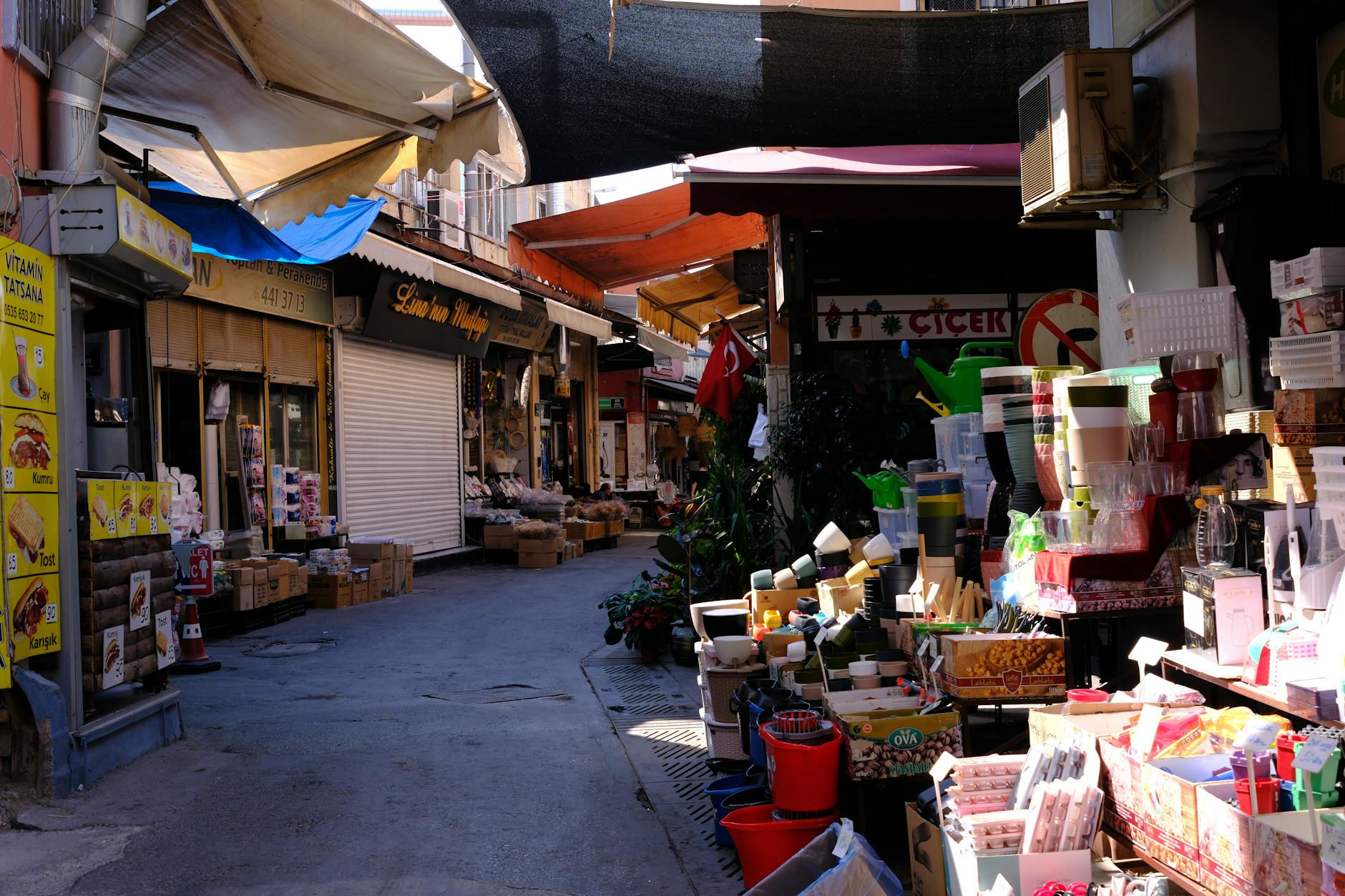
Walk five minutes uphill from the Spice Bazaar's back exit and you are in Tahtakale. Working bazaar, almost no other tourists, börek bakeries running since the 1970s, copper-pot shops, and the streets where Istanbul's coffee trade started in the 1500s. If the Spice Bazaar feels too polished, come here.
Sultanahmet backstreets
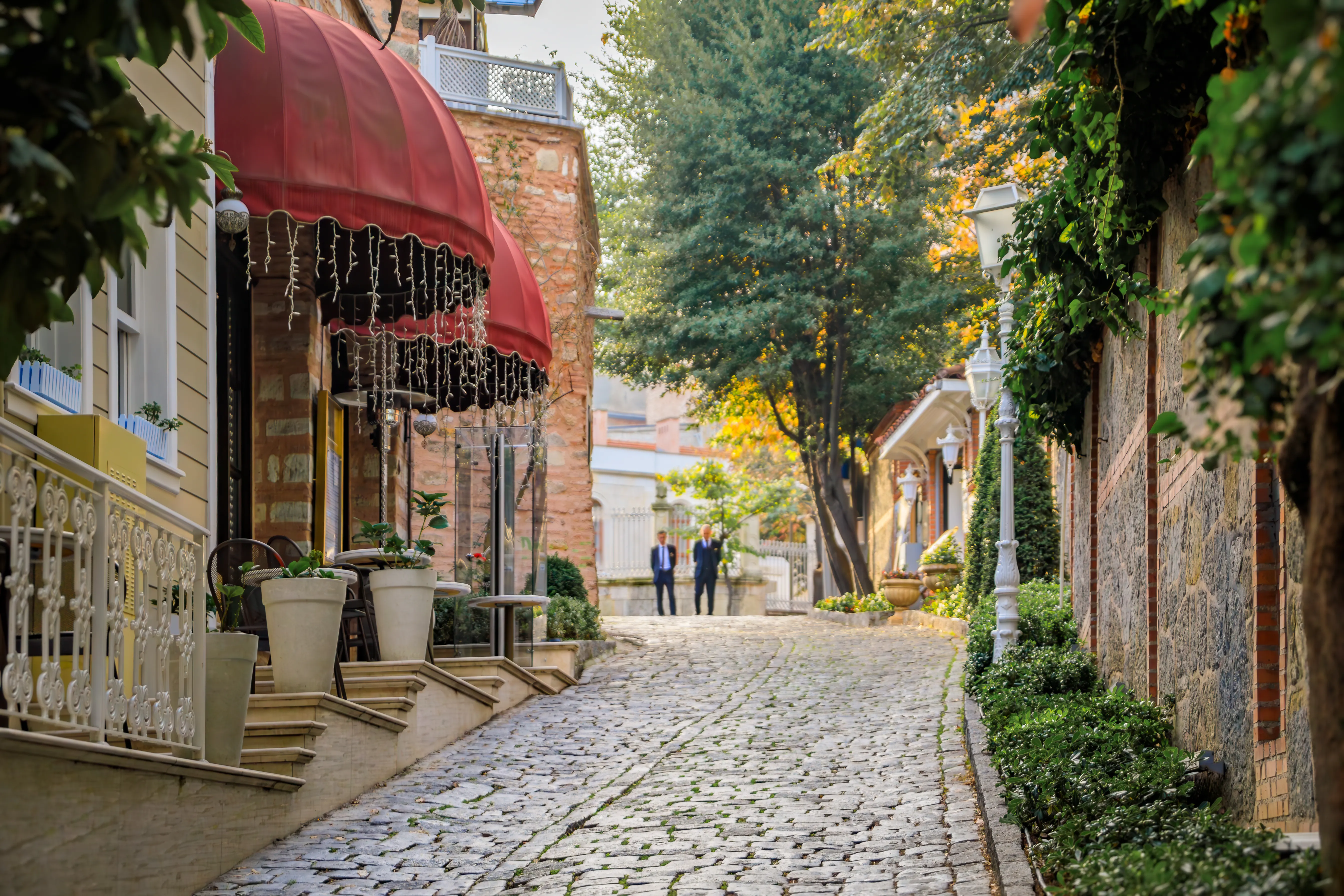
The square itself is touristic. The real food is two streets over. Caferiye Sokak (behind Hagia Sophia, where Matbah sits), Akbıyık Caddesi (the old Sultanahmet budget-traveller street, now with a few decent meyhanes), and the Arasta Bazaar strip behind the Blue Mosque. Walk them slowly.
Sirkeci
Sirkeci has the best old-school lokantas in the old city, partly because it never had the tourist pressure Sultanahmet did. Look for places with a steam tray at the front, a handwritten daily board, and office workers at lunch. Prices are half of what you pay 300 metres east.
Best food stops on the historic peninsula
Eleven places, covering street food, lokantas, Ottoman-cuisine restaurants, a fish house and the two dessert institutions. Not ranked; listed by category.
The balık ekmek boats
Three ornate boats moored at the Galata Bridge side grill mackerel fillets and slide them into bread with onion and parsley. Atmosphere beats flavour here, but the flavour is still fine. Pay at the till on land, take the ticket to the boat window. Around $4.
What to order: One balık ekmek, a glass of turşu suyu (pickle brine) from the adjacent stall to wash it down.
Hamdi Restaurant
A fifth-floor kebab house overlooking the Golden Horn, Galata Bridge and the old city rooftops. Opened in the 1960s as a stall beside the Spice Bazaar, now a five-story institution. The kebabs are the main reason, the view is the other. Book a window table for sunset. $25-$40 per person.
What to order: The fıstıklı kebab (pistachio-studded lamb) and a lahmacun starter. Shared mezes for the table.
Pandeli
Tucked above the stone entrance of the Spice Bazaar, reached by a narrow staircase. Blue and white Iznik tiles, vaulted ceilings, an early-1900s Istanbul Greek feel. Classic palace dishes with one or two flourishes. Lunch only, reservations recommended.
What to order: Hünkar beğendi and a cold stuffed aubergine starter.
Balıkçı Sabahattin
Housed in a 1927 Ottoman mansion on a quiet back street behind the Blue Mosque. The best fish restaurant on the historic peninsula. No printed menu; the waiter brings the day's catch on a tray and you pick. Mezes are a serious meal on their own.
What to order: Whatever is freshest off the tray, grilled simply. Share six cold mezes before it arrives.
Matbah
Ottoman palace cuisine recreated from archival cookbooks, served on the terrace of the Ottoman Imperial Hotel next to Hagia Sophia. Quieter than it should be given how good the food is. The lamb dishes and the stuffed quince in particular are worth crossing town for.
What to order: Lamb stew with quince, ask the server for the historical note on it.
Deraliye
The other serious Ottoman-cuisine spot, Michelin-listed. Long menu of dishes drawn from Ottoman court cookbooks. More formal than Matbah, with costumed waiters and live Ottoman music some nights. Worth doing once if you want the full palace-dinner experience.
What to order: The Ottoman tasting menu. Save room for the dessert course.
Tarihi Sultanahmet Köftecisi
A one-dish restaurant since 1920. Hand-rolled grilled köfte with white beans, pilaf, pickled green peppers. The interior is fluorescent-lit and spartan; the food has not changed in a century. Order, eat, leave in 30 minutes. $8-$12.
What to order: Köfte with piyaz (white beans), a plate of pilav, an ayran.
Giritli
A meyhane in a restored wooden mansion, founded by a family from Crete. The format is a fixed meze menu: 20+ cold and hot small plates, a fish main, unlimited rakı or wine. Long dinner, two and a half hours minimum. $70-$100 per person.
What to order: The set menu. Trust the kitchen.
Hafız Mustafa 1864
Istanbul's most visible historic patisserie, founded 1864. Baklava, kadayıf, Turkish delight, chocolate-dipped sweets, good Turkish coffee. Pricier than the neighbourhood option but consistent, and the branches are everywhere in the old city.
What to order: Pistachio baklava, a small box of assorted lokum to take home.
Kurukahveci Mehmet Efendi
The coffee roaster founded in 1871 by the man who invented pre-ground Turkish coffee. The queue outside the tiny Eminönü shop is mostly Istanbullus buying coffee by the kilo. Grab a 250g bag to take home; the shop opposite serves a cup on the spot.
What to order: 250g of Türk Kahvesi, plus a single cup freshly brewed at the adjoining café.
Karaköy Güllüoğlu
Technically on the Karaköy side, a seven-minute walk across the Galata Bridge from Eminönü. Istanbul's most respected baklava shop, cafeteria-style: grab a tray at the door, point at what you want, pay at the till. The reference point every other baklava shop benchmarks against.
What to order: Fıstıklı baklava (pistachio) and kuru baklava (drier, firmer), a Turkish coffee.
The Spice Bazaar, without the markup
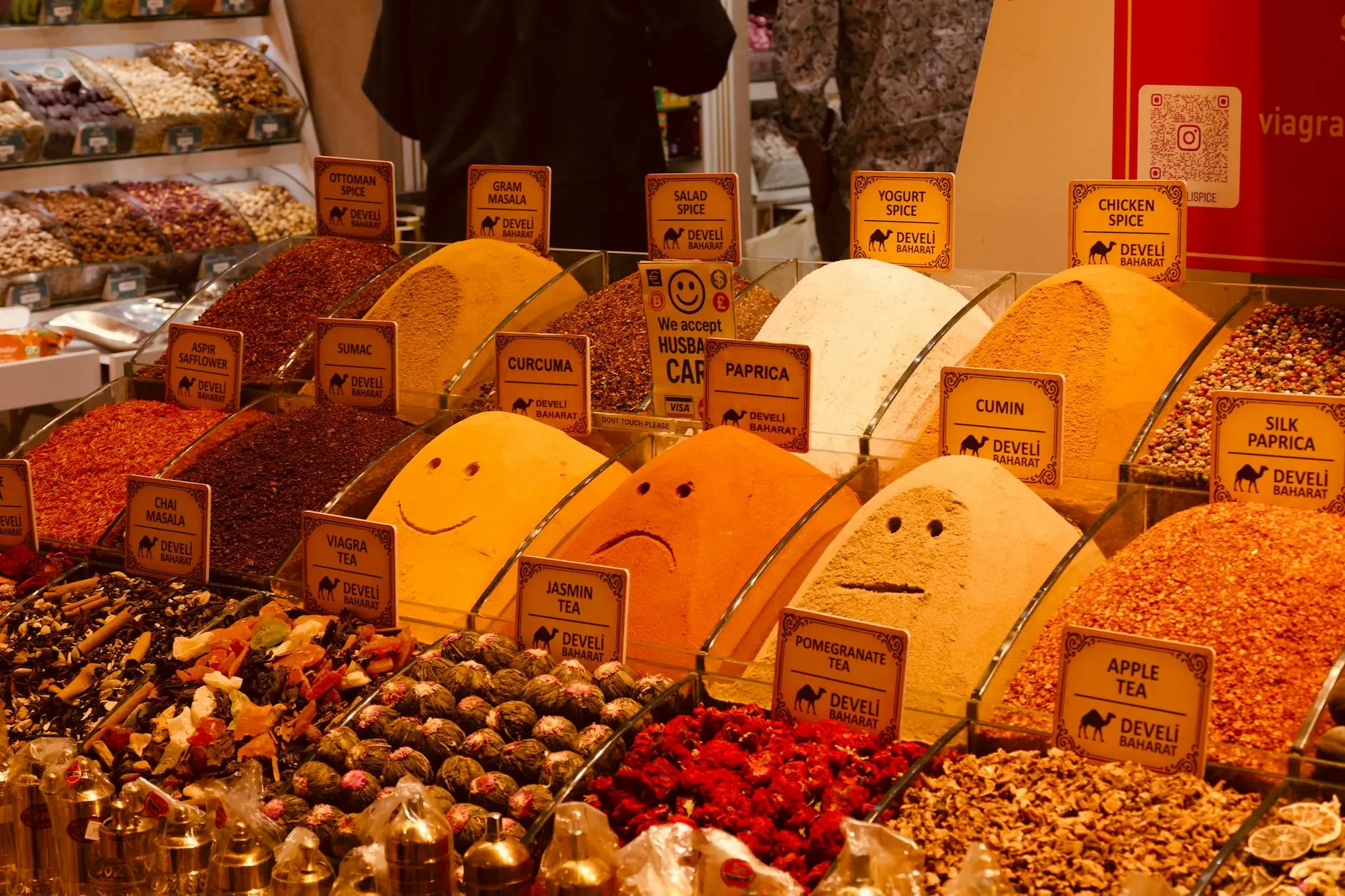
The Mısır Çarşısı ("Egyptian Bazaar") is a 360-year-old L-shaped covered market with around 80 shops. It is one of the oldest continuously operating markets in the world. It is also where most Istanbul visitors overpay for spices by roughly 50 percent.
How prices work
The front of the bazaar, especially the entrance closest to the Galata Bridge, charges the highest prices. The back half is cheaper. Shops outside the bazaar, on the surrounding pedestrian streets, are cheaper still, often by 40-50 percent for the same product. If you care about price, buy at the back or outside.
What's worth buying
- Urfa pepper flakes (pul biber). The smoky, slow-burn Turkish staple. A 100g bag is enough for a year of home cooking.
- Antep pistachios. Vivid green, small, intense. Ask for "shelled Antep fıstık". Not cheap but worth it.
- Sumac. Bright-red lemony powder. Used on meat and salads. Easy to find, cheap, impossible to buy at this quality outside Turkey.
- Saffron, tested. Real saffron bleeds gold in water. Fake bleeds red. Ask for a test cup before buying.
- Turkish delight (lokum). Buy a mixed 250g box with pistachio centres. Skip the rose-flavour-only boxes near the entrance.
- Apple and pomegranate teas. Cheap, decent, easy gifts. Skip the "Turkish Viagra" novelty teas. They are the bazaar's oldest joke.
Haggling, briefly
Bargaining is expected but not aggressive. Ask the price, counter with 60-70 percent of it, settle somewhere near 80. Walk out if you are quoted in euros. Carry cash; many stalls charge a 3-5 percent surcharge for cards.
A walking food route: Sultanahmet to Eminönü
A realistic half-day built around the old city. Seven stops, roughly two kilometres of walking, spread over four hours with plenty of sitting. Starts at Sultanahmet and finishes at the Galata Bridge, so you can cross into Karaköy for dinner if you still have room.
- 9:00 · Breakfast in Sultanahmet. A simit and a glass of tea from a cart near the Blue Mosque, eaten sitting on a low wall. Under $2. Buys you an hour in the square before the tour buses arrive.
- 10:30 · Coffee on the Matbah terrace, if open. A mid-morning Turkish coffee overlooking Hagia Sophia. If you prefer a faster option, Kurukahveci Mehmet Efendi at the Eminönü end is better coffee for less.
- 12:00 · Köfte at Tarihi Sultanahmet Köftecisi. A twenty-minute lunch on Divanyolu. Köfte, piyaz, pilav, ayran. $8-$12. Leaves plenty of space for street food later.
- 13:30 · Walk down Hamidiye Caddesi to the Spice Bazaar. Browse the back half, taste what you are offered, buy small amounts of two or three things. A midye dolma or two from the vendors outside on the way out.
- 15:00 · Tahtakale detour. Uphill behind the bazaar. Börek at a working- class bakery, a tea at a streetside stand. A quieter version of the whole morning.
- 16:30 · Balık ekmek at the Eminönü waterfront. A fish sandwich from one of the boats. Eat standing on the seawall with the Galata Bridge behind you.
- 17:30 · Karaköy Güllüoğlu for baklava. Cross the Galata Bridge on foot. Finish the day with two pieces of pistachio baklava and a Turkish coffee. If you have energy, continue into Karaköy for dinner.
For a booked dinner back in Sultanahmet instead, reserve Balıkçı Sabahattin or Matbah. Both are under ten minutes' walk from Hagia Sophia.
When to visit
Morning (8am-11am)
The best window. Simit is freshest, the sights are quiet until the 9:30 bus arrival, and the Spice Bazaar opens at 9am with merchants setting up rather than hustling. Breakfast in Sultanahmet, sights, descent to Eminönü for late-morning street food. If you only have one block of time, spend it here.
Midday (11am-3pm)
Peak crowd. Workable if you book ahead (Hamdi, Pandeli, Matbah) or eat at lokantas in Sirkeci which cater to office workers. Avoid the Sultanahmet Square restaurants with photo menus; this is the hour they fill up with tour groups.
Afternoon (3pm-6pm)
Energy drops, crowds peak, light gets flat. Good for the Spice Bazaar if you are still shopping, or a Tahtakale coffee. Otherwise, this is the worst slice of the day for food. Consider a break back at the hotel.
Evening (6pm onward)
Sultanahmet clears out noticeably after 6pm. The tour buses are gone by 7. The good dinner restaurants (Balıkçı Sabahattin, Matbah, Deraliye, Giritli) are a different experience at dinner: quieter, darker, with a local regulars crowd instead of lunchtime groups.
Practical tips
- Photo menus on the outside wall are a bad sign. This is the single most reliable rule in Sultanahmet. Real restaurants do not need photographs of the plates to advertise.
- Restaurant touts pulling in passers-by are a bad sign. If someone is standing outside a restaurant trying to get you in, the food cannot bring you in on its own.
- Foreign-currency menus are tourist-pricing. A Turkish restaurant charges in lira. Menus quoted in euros or dollars are flagged for a reason.
- Book the serious dinners. Hamdi, Matbah, Deraliye, Giritli and Balıkçı Sabahattin all fill on weekends. Book 2-3 days ahead in high season.
- Cash for street food, cards for sit-down. Balık ekmek boats, midye dolma sellers, simit carts and the Spice Bazaar mostly prefer cash. Small lira notes (20, 50, 100) are most useful.
- Walk one block off the square. Whatever dish you want is cheaper and better one street off Sultanahmet Square. Divanyolu and Caferiye for lunch, Akbıyık Caddesi and the Arasta Bazaar for dinner.
- Use the tram. The T1 tram runs through Sultanahmet, Sirkeci and Eminönü. If you are tired, one stop on the tram is $0.50 and saves you 15 minutes of uphill walking.
- The best food photos are in Tahtakale. Working bazaar, no other tourists, better light than the Spice Bazaar, vendors who do not mind the camera. Do not skip it.
Food tour or self-guided?
The historic peninsula is one of the few Istanbul neighbourhoods where a food tour earns its price. The density of tourist traps makes independent navigation harder than it looks. A good guide can get you past the photo-menu restaurants, negotiate at the Spice Bazaar, and translate at the lokantas in Sirkeci where nobody speaks English.
Self-guided is fine if you are happy pointing at food and eating at the obvious street vendors: balık ekmek, midye dolma, simit, börek, maybe a lokanta lunch. If you want sit-down Ottoman dinners and market context, a tour pays off.
Whichever route you pick, the Istanbul food guide covers the individual dishes in more detail. The self- guided Istanbul food tour starts here and crosses the Galata Bridge to Karaköy and on to Kadıköy for a full half-day. If you would rather book, the ranking of the best Istanbul food tours covers the four worth considering.
Frequently asked questions
Frequently asked questions
Is it hard to eat well in Sultanahmet?
It is easier to eat badly than to eat well, which is unusual for a food city like Istanbul. Most restaurants within 200 metres of Hagia Sophia or the Blue Mosque are built for volume, not returning customers. The good places exist, but they are usually one block off the main tourist route, or require a specific reservation.
What's the most iconic food experience in Eminönü?
A balık ekmek (fish sandwich) from the boats at the Galata Bridge waterfront, followed by a walk through the Spice Bazaar. That is the classic short loop. Add a Turkish coffee at Kurukahveci Mehmet Efendi and you have covered three of the oldest food rituals in the city in under an hour.
How much should food cost in this area?
A balık ekmek runs 100 to 150 Turkish lira (roughly $3 to $5). Midye dolma is 25 to 35 lira each. A proper sit-down meal at Hamdi or Matbah runs $25 to $45 per person. Ottoman-cuisine restaurants like Deraliye are $50 to $80. A set-menu dinner at Giritli is $70 to $100 with drinks. If a menu quotes in euros or dollars only, that is a tourist-trap flag.
Is the Spice Bazaar worth visiting?
Yes, but understand what it is. It is a 360-year-old market that has tilted toward visitors over the last 30 years. Prices at the front are about double what locals pay. Walk to the back half, ask for tastings, bargain in multiples of 100 grams, and you will leave with good tea, pistachios and lokum at fair prices.
How do I avoid tourist traps?
Three rules. One: menus with photos of the plates on the outside wall are almost always traps. Two: restaurants with a man outside pulling in passers-by are always a bad sign. Three: prices quoted in foreign currency, not lira, are a red flag. The good places have a Turkish menu, a queue of locals at lunch, and no outside salesman.
When is the best time to visit the historic peninsula?
Early morning (8-10am) for simit, tea and quiet sightseeing before the tour buses arrive. Late morning (10am-noon) for Eminönü street food. Afternoon is the worst stretch; it is crowded, hot in summer and the food rushes through. Evenings after 7pm are pleasant again once the day-trippers leave.
Can I pay by card, and do I need to tip?
Sit-down restaurants all take cards. Street vendors, simit carts, fish-sandwich boats and midye dolma sellers are cash-only. A 10 percent tip at restaurants is standard, often added automatically at tourist-oriented places. Round up for street food.
Prices, opening hours and operators change. This guide is reviewed twice a year, last in April 2026. Some links on this page are affiliate links. If you book through them we may receive a small commission, which helps fund the research and testing.