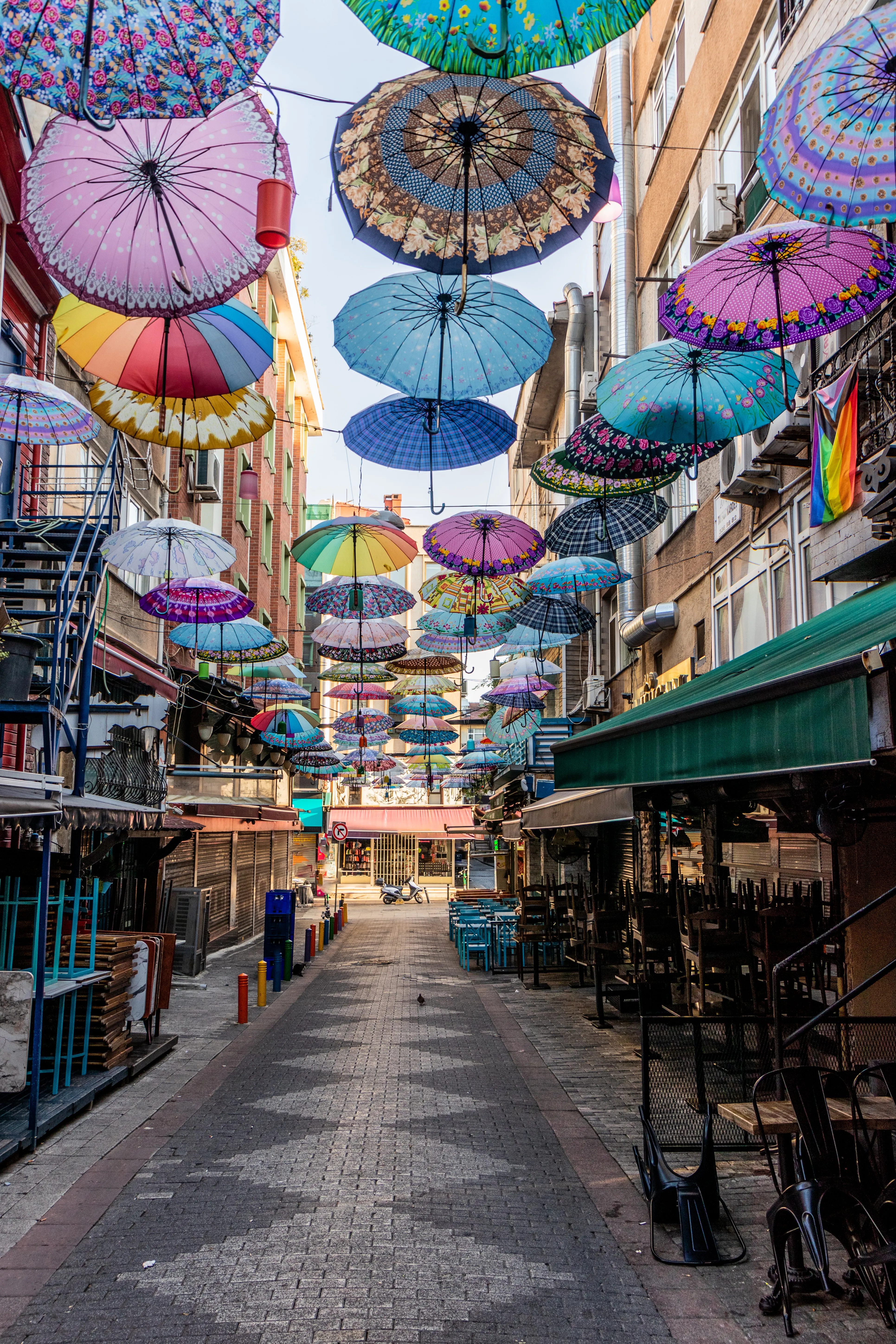
Kadıköy is the best food neighborhood in Istanbul. The market runs denser than the Spice Bazaar, the meyhanes on Kadife Sokak are cheaper and better-paced than Nevizade across the water, and most of the people eating around you actually live here. This Kadıköy food guide covers the streets worth walking, the ten or so places worth queuing for, and a walkable route that hits most of them in a day.
It is written for travellers who would rather eat where locals eat than follow a hotel concierge. No "hidden gems" that are mostly on Google Maps. No filler. If a place is on this list, it is because it consistently does one thing well.
The Kadıköy food map
Kadıköy is small enough to walk in a day. Mentally, split it into four zones:
- Kadıköy Çarşı (the market)
- A dense grid of pedestrian streets directly behind the ferry terminal. Butchers, fishmongers, cheese counters, delis, pickle shops, bakeries, tea stalls. This is the engine of the neighborhood and where most of the eating happens.
- Tellalzade Sokak
- The cobblestone "Antikacılar Sokak" (Antique Dealers' Street), wedged between the market and the bar street. Old records, gramophones, bric-à-brac, plus a handful of decent cafés at either end.
- Kadife Sokak (Barlar Sokak)
- The bar street. Two blocks of meyhanes, pubs and small rakı halls. Quiet by day, properly busy from 8pm onward. Cheaper and scruffier than Nevizade on the European side.
- Moda
- The leafier residential end, fifteen minutes' walk south of the market. Weekend breakfast (kahvaltı) is a cult here. The seafront path continues all the way to Moda Point, which is the best sunset view on the Asian side.
A good approach: ferry in, circle the market for an hour, cut down Tellalzade, walk into Moda for a long lunch or late breakfast, loop back up for coffee, then finish on Kadife Sokak for dinner. A full day, comfortable pace, no repeats.
Best streets for food in Kadıköy
Güneşlibahçe Sokak
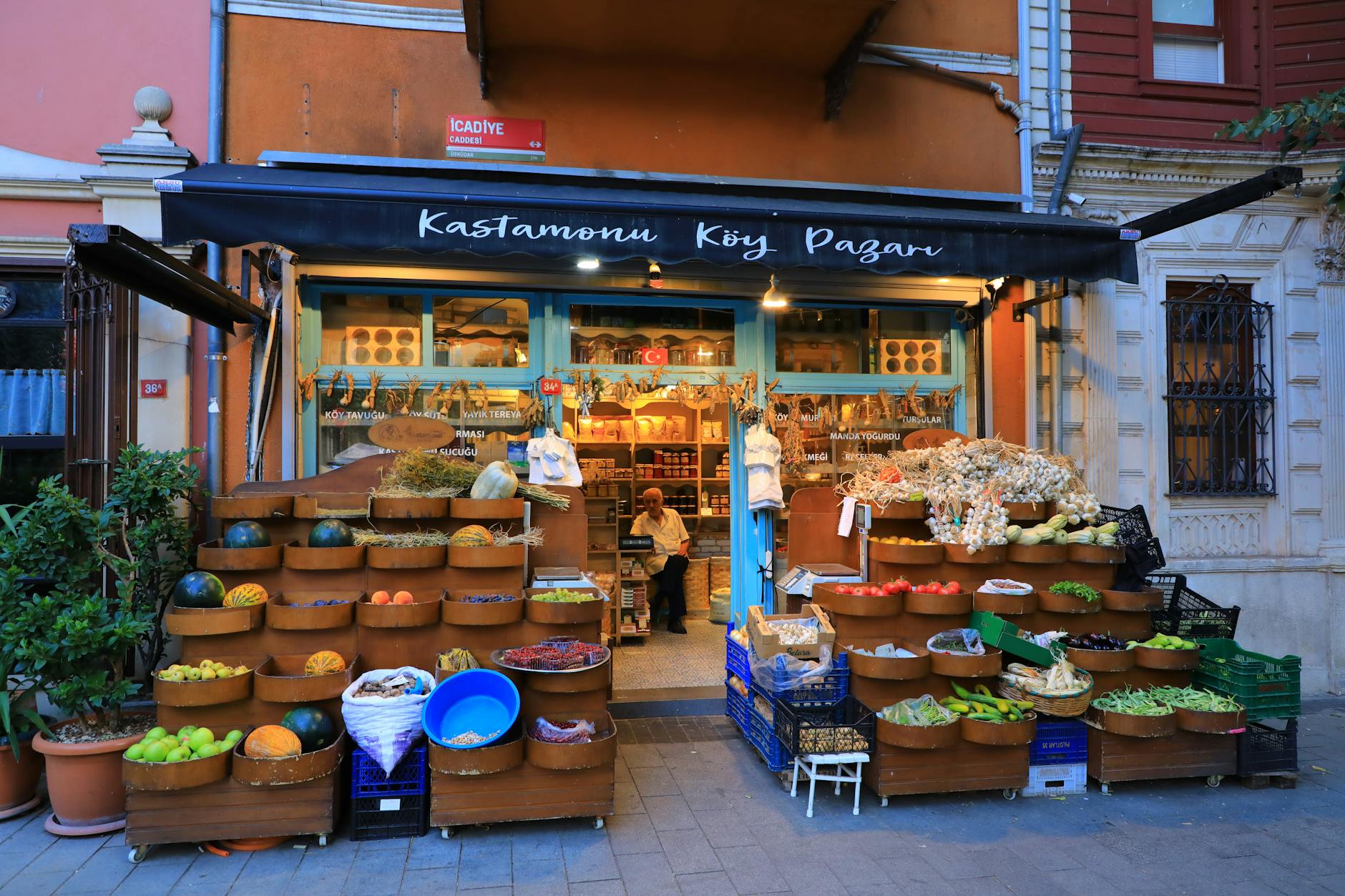
The main market artery. Çiya Sofrası sits at No: 43, which is where most visitors are headed anyway. The street is lined with pickle shops, cheese counters and a few bakeries that are worth a stop before or after lunch. Midday crowds, quieter from 4pm onward.
Muvakkithane Caddesi
The market spine. Butchers, fishmongers, dried-fruit shops, nuts and coffee by the kilo. Less atmospheric than Güneşlibahçe, more useful if you actually want to see what is in season. Fridays and Saturdays are busiest.
Serasker Caddesi
A short pedestrianized run off the market. Home to Fazıl Bey'in Türk Kahvesi, the 1923 coffee-roaster that still grinds its own beans out front. Useful for a coffee or a piece of baklava between market laps.
Tellalzade Sokak
The antiques street is a two-minute walk from Çiya and a useful palate-cleanser between eating rounds. Second-hand records, old radios, a few cafés at each end. Cobblestone, gentler light, no food vendors of note, but the route is worth it.
Kadife Sokak (Barlar Sokak)
Bar street. A dozen meyhanes and pubs compressed into two blocks. Arkaoda, Karga and Buddha Bar are the long-running institutions; the smaller rakı halls open and close but the street never quite empties. A meyhane dinner runs roughly $25 to $45 per person with drinks.
Moda Caddesi
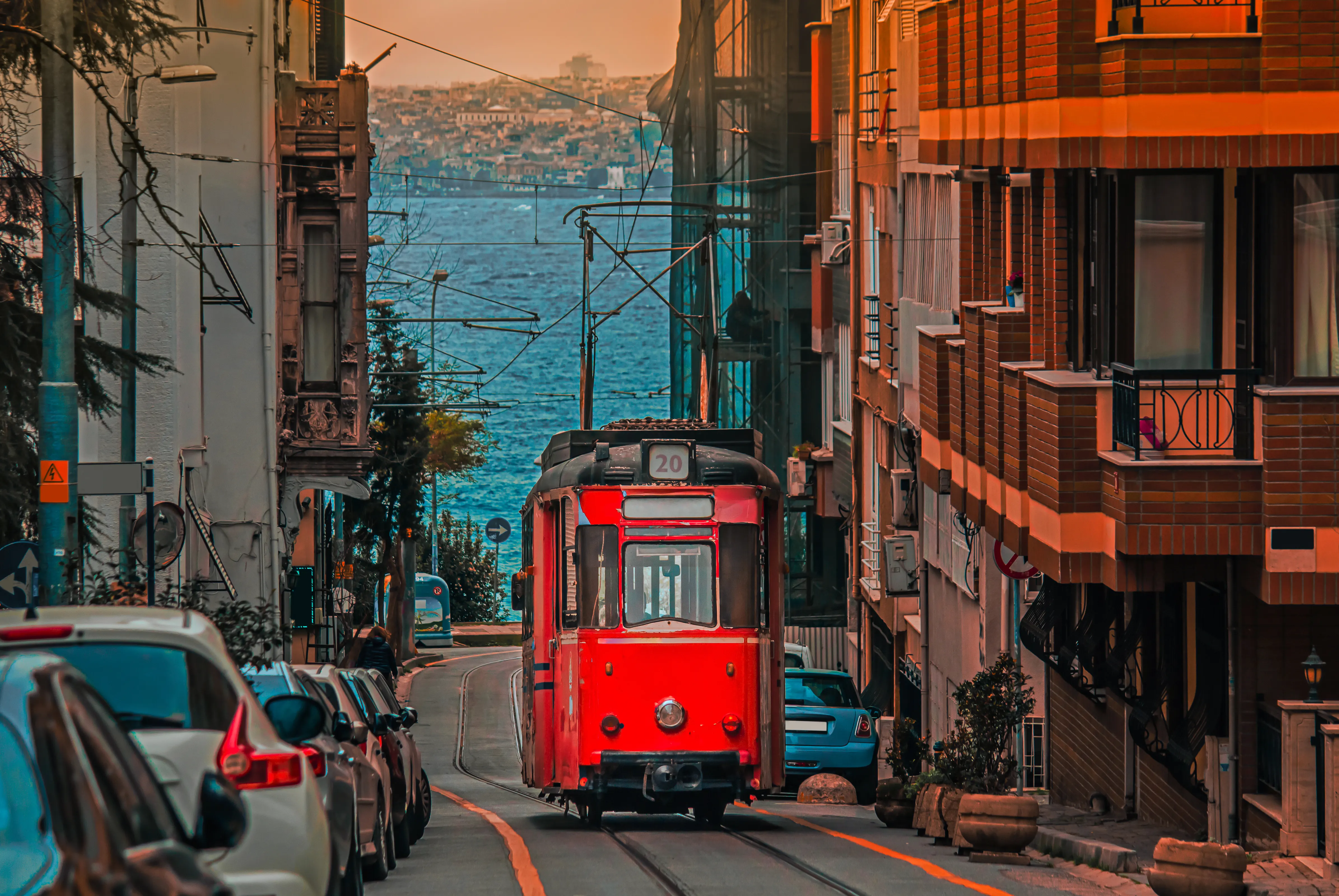
The road that runs south from the market into Moda proper. Ice cream at Meşhur Dondurmacı Ali Usta (No: 176/B), weekend breakfast spots, a handful of bakeries and specialty coffee shops. Pleasant any time of day; golden hour is worth timing.
What to eat in Kadıköy
The Asian-side street food and market tradition leans toward the classics, done well, by people who have been making them for decades. A short list of what to order, with where you are most likely to find the best version.
- Turkish breakfast (kahvaltı)
- A weekend ritual in Moda. Order the serpme kahvaltı (the spread), which arrives as fifteen to twenty-five small plates: cheeses, olives, jams, honey with butter, eggs, sucuk, tomato and cucumber, plus unlimited bread and tea. Budget 90 minutes. $15 to $25 per person.
- Lahmacun
- A paper-thin flatbread topped with spiced minced lamb, rolled up with lemon, parsley and ayran. Borsam Taş Fırın does the benchmark version. Expect to pay under $4 and eat it standing.
- Kokoreç
- Seasoned lamb intestines grilled over wood, chopped on a board and served on half a loaf with chilli and oregano. A late-night food. Most of the market's kokoreç carts set up after dark.
- Midye dolma
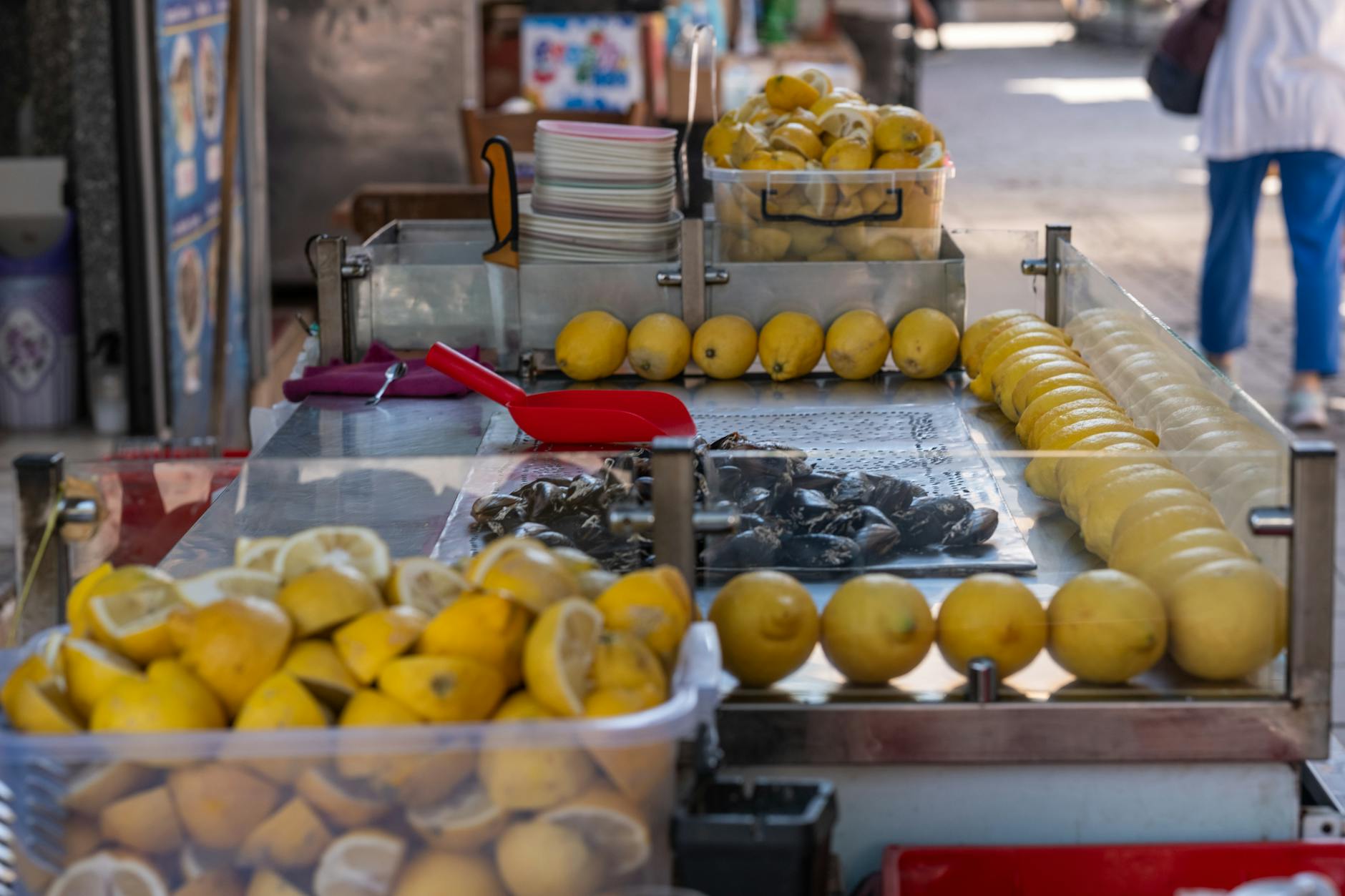
- Black mussels stuffed with spiced pilav, steamed, and squeezed with lemon on the spot. Sold from illuminated glass cases on street corners, usually from 6pm onward. Count them; the seller will too.
- Çiğ köfte
- Spiced bulgur patties, now almost always meatless, served rolled in lettuce with pomegranate molasses and lemon. A cheap lunch at a handful of dedicated köfteci shops near the ferry.
- Balık ekmek
- The grilled mackerel sandwich is a European-side icon, but a few Kadıköy fish shops do their own version with better-quality fish and proper pickles. Ask at Tarihi Kadıköy Balıkçısı.
- Simit
- The sesame bread ring, eaten with tea or cheese. The red-cart version is everywhere; for a better one, look for a bakery with the simit still warm from a wood oven.
- Baklava
- Layered filo with pistachios or walnuts and light syrup. The Kadıköy branches of Karaköy Güllüoğlu and Hafız Mustafa both ship the same product as the European-side flagships. Eat it with Turkish coffee.
- Dondurma
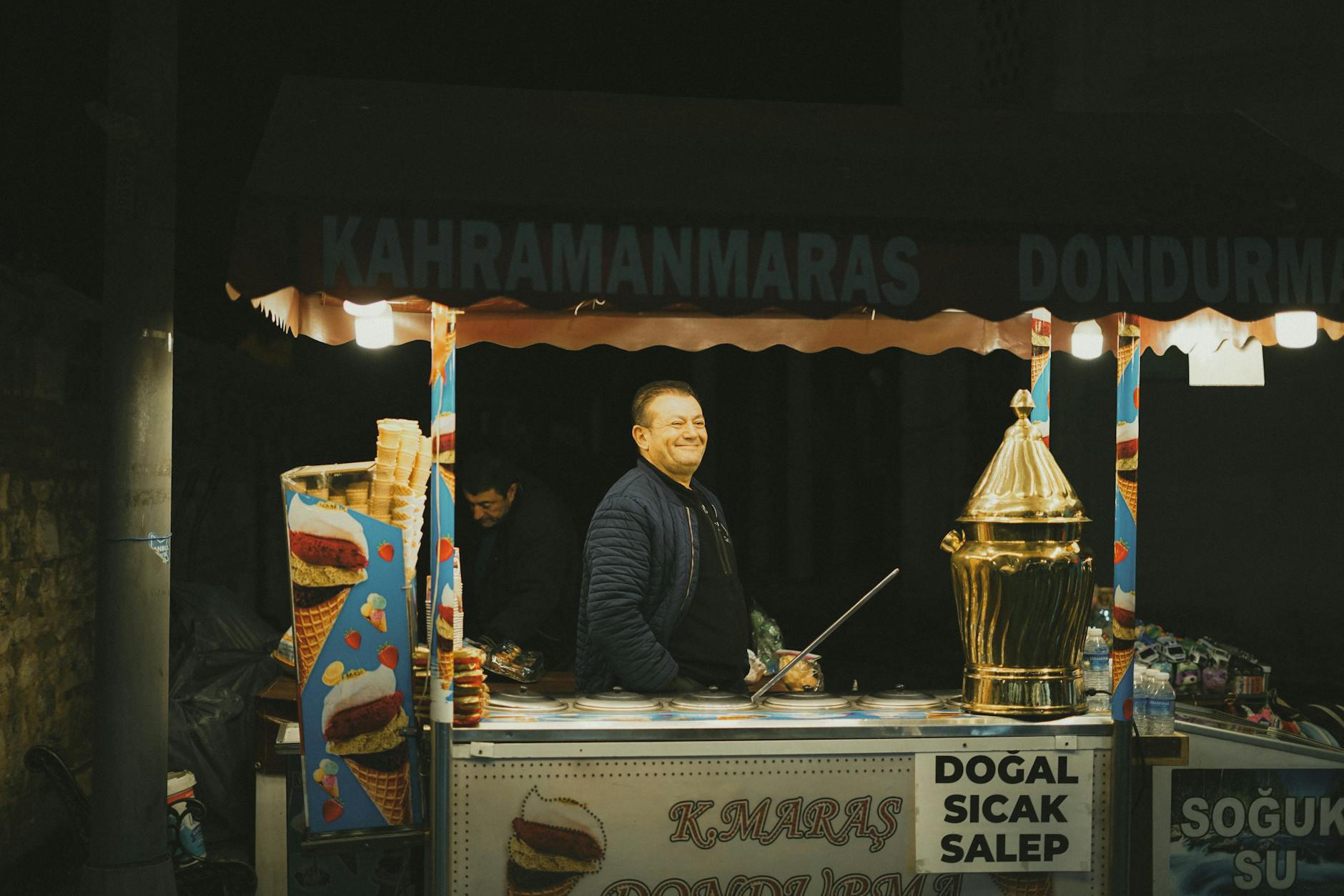
- Stretchy Turkish ice cream made with mastic and salep. Meşhur Dondurmacı Ali Usta on Moda Caddesi is the neighborhood standard: forty-plus flavors, open till 2am, queues in summer.
Best restaurants and food stops in Kadıköy
A curated list of twelve places, covering sit-down restaurants, street food, cafés, and bakeries. Not a ranking; think of it as a menu you can pick from depending on time of day and mood.
Çiya Sofrası
Chef Musa Dağdeviren's regional Anatolian kitchen, featured on Netflix's Chef's Table. The steam trays at the front cover thirty or more rotating dishes most Istanbul restaurants do not attempt: obscure regional soups, wild-green stews, lamb cooked five different ways. Order by pointing. Reliably the best single meal in Kadıköy.
What to order: Whatever you do not recognize on the steam trays, plus one of the lamb kebabs from the grill side.
Fazıl Bey'in Türk Kahvesi
A 1923 coffee house in the middle of the market. Roasts and grinds its own beans on antique machines on the ground floor, which is why the whole street smells like fresh coffee from 8am. The Turkish coffee is the benchmark; the Turkish delight on the saucer is worth the detour alone.
What to order: Turkish coffee, medium-sweet, with a glass of water.
Baylan Pastanesi
A 1923 patisserie invented by Filip Lenas, who moved to Istanbul from the Greek-Albanian border. The kup griye, a sundae of vanilla ice cream, caramelised almonds, whipped cream and a ladyfinger biscuit, was invented here in 1954 and is still made the same way. Quietly one of the most Istanbul things you can eat.
What to order: Kup griye. If you want something simpler, the chocolate profiteroles.
Borsam Taş Fırın
A stone-oven bakery that turns out the neighborhood's best lahmacun. Paper-thin crust, proper char on the bottom, lamb-and-parsley topping, ready in ninety seconds. Eat it standing at the counter and chase it with ayran.
What to order: Lahmacun, one plain, one spicy. Add a pide if you are hungry.
Meşhur Dondurmacı Ali Usta
Run by five brothers, more than forty flavors, famously open until 2am. The line in summer can hit thirty minutes on weekends but moves quickly. Ask for two flavors in one cup and a spoon of crushed pistachio on top.
What to order: Salep and sakız (mastic) in winter; melon and sour cherry in summer.
Basta Street Food Bar
Two chefs trained in French fine dining opened a tiny place that sells elevated dürüm. Better meat, better bread, herbs that taste like herbs. The lamb shawarma and the halloumi wrap are the ones people come back for. Seats for about twelve, standing room for a few more.
What to order: Lamb dürüm with pickled cabbage. Add a lahmacun on the side.
Tarihi Kadıköy Balıkçısı
The old fish counter in the middle of the market. Pick from what came in that morning (lakerda, lufer, palamut in season) and they will cook it upstairs. Even if you do not buy, a slow lap around the ice counters is a free education in what Istanbul actually eats.
What to order: Grilled palamut (September-November) or lakerda mezze, with shared meze.
Munchies
Moda's iconic breakfast-brunch spot. Sweet and savoury pancakes, proper eggs Benedict, solid coffee. The queue on Saturday mornings is not a gimmick; the kitchen is small and the turnover is fast. Aim for a 10am weekday, or a 12:30 weekend.
What to order: Savory pancakes with sucuk, plus one of the egg plates.
180 Coffee Bakery
A third-wave café attached to a working bakery. Sourdough, croissants, cinnamon rolls out of the oven until about noon, and a short menu of breakfast plates. Good flat white, good filter, good pastries. The "all three" option on a lazy morning.
What to order: A flat white, a cinnamon roll and whatever tart is on the counter.
Walter's Coffee Roastery
Breaking Bad themed, yellow lab coats optional, actually-good coffee. Worth a stop if you like the show or you are walking past. The coffee holds up next to the serious specialty shops; the cake selection is better than it needs to be.
What to order: A pour-over of whatever single-origin they are running that week.
Arkaoda
Long-running Kadife institution. Two floors, live DJs most nights, a crowd that skews thirty-somethings who grew up going here. Drinks are reasonable, the back room has a proper sound system, and the kitchen sends out decent meze until late.
What to order: Efes on tap, rakı with water and ice, a plate of cheese and olives for the table.
Karga Bar
A 25-year-old Kadife mainstay in an old wooden building. Three floors, mismatched furniture, rotating art on the walls. More of a drinking spot than a dinner spot, but the food is fine and the crowd is the best advert. Open late.
What to order: Wine or rakı. The cheese plate is enough for two.
The Kadıköy market experience
If you only do one thing in the neighborhood, it should be the market. Locals call it Kadıköy Çarşı (Kadıköy Bazaar). It is not a single building; it is a warren of pedestrianized streets behind the ferry pier, roughly five blocks deep and three blocks wide.
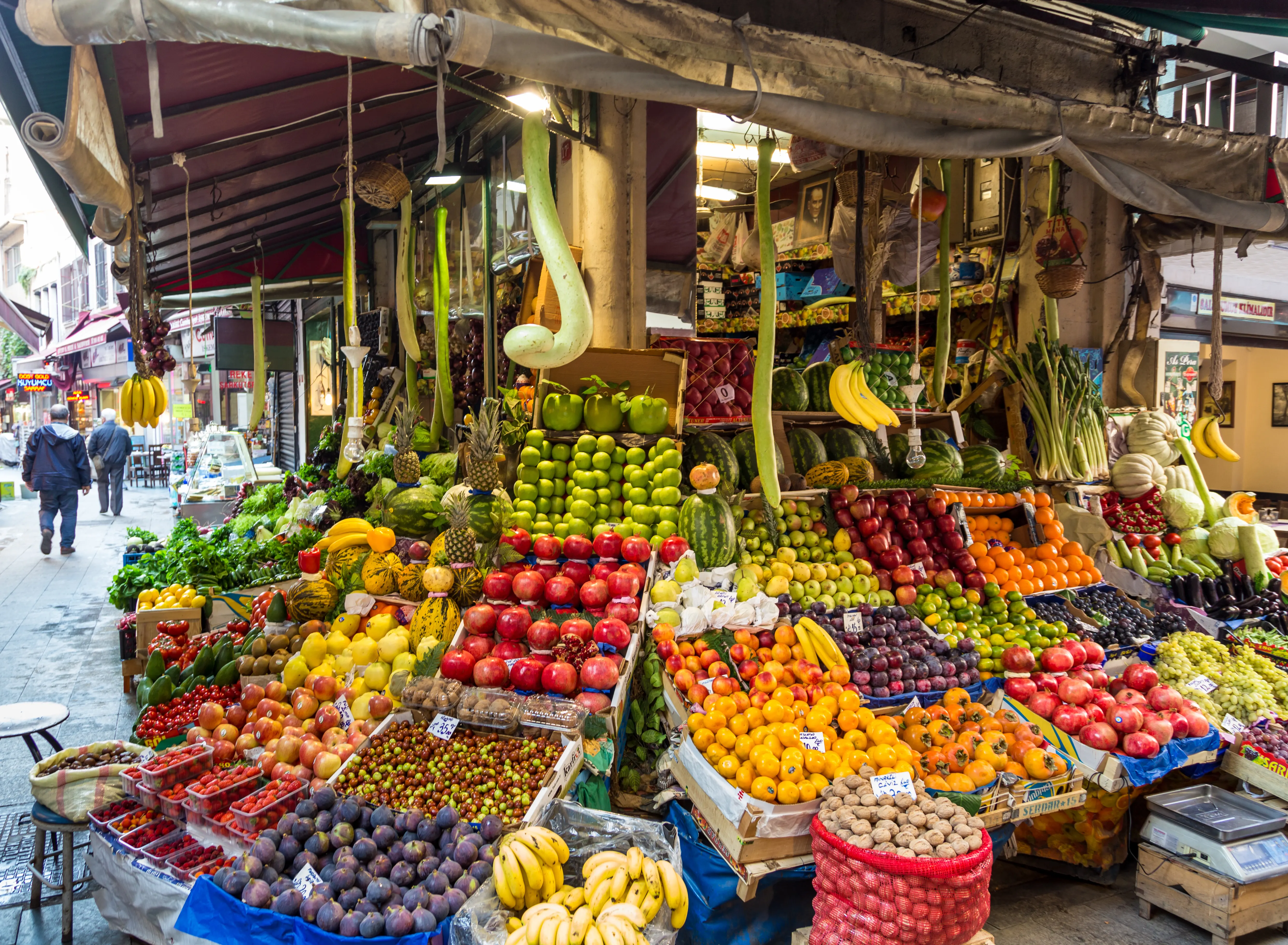
What to look for
- Cheese counters. Try tulum (aged in a goatskin), kaşar (mild, yellow, a Kadıköy staple), and ezine (fresh sheep). A good counter will cut slivers for you to taste without asking.
- Pickle shops. Glass jars of everything pickled: turnips, chillies, green almonds, stuffed peppers. Pickle juice (turşu suyu) is sold by the cup.
- Olive stalls. Kalamata is not the point. Look for local varieties like gemlik (oil-cured, soft, dark) and edremit (green, firmer).
- Fish counters. What is on the ice changes with the season. Bluefish (lüfer) in autumn, bonito (palamut) in September-November, anchovy (hamsi) in winter.
- Spice and dry-goods stalls. Bulk pul biber (chilli flakes), sumac, pomegranate molasses, dried eggplant for stuffing, every type of bulgur.
- Bakeries. Look for places with wood-fired ovens still running. Simit, pide, börek, poğaça, all cheaper and better than the chains near the ferry.
How to shop without buying
Vendors in the Kadıköy market are used to browsers. A slow lap with occasional "Bu ne?" ("What is this?") will get you small tastes of cheese, olives, Turkish delight or dried fruit. Buying 100 grams of something every two or three stops is polite and cheap; it also leaves you with a bag of snacks for the ferry back.
A walking food route through Kadıköy
A realistic day built around the neighborhood. Seven stops, roughly four kilometres of walking, spread over twelve hours with plenty of sitting. Built for a Friday or Saturday, adjusted for Sunday in the notes.
- 10:00 · Breakfast in Moda. Ferry to Kadıköy, walk fifteen minutes south to Munchies or 180 Coffee Bakery. Order a serpme kahvaltı or a pancake plate with coffee. Expect to sit 90 minutes.
- 12:00 · Walk up Moda Caddesi. Light browse at the bakeries, ice cream later. Pass through Bahariye Caddesi to the market. Twenty minutes of walking.
- 12:30 · Graze the market. A full lap of Güneşlibahçe, Muvakkithane and Serasker. Olives, cheese slivers, a handful of nuts, a pickle cup. Eat standing. Under $5.
- 13:30 · Lunch at Çiya Sofrası. Güneşlibahçe Sok. 43. Point at four or five things on the steam trays, add a grill item, share. $12-$18 per person. The crowds thin after 2pm on weekdays.
- 15:00 · Turkish coffee at Fazıl Bey. Short walk. Order medium-sweet. If you still have room, a piece of baklava from the pastry shop next door.
- 16:00 · Tellalzade Sokak and Moda seafront. Wander the antiques street, then pick up the Moda seafront path at the southern end. Thirty minutes of walking along the water; stop at Dondurmacı Ali Usta on the way back.
- 19:30 · Meyhane dinner on Kadife Sokak. Cold meze (six plates between two), a hot meze, grilled fish, fruit to finish. Drink rakı with water and ice. $25-$40 per person. Finish on Arkaoda or Karga for one more drink.
- 23:30 · Ferry back (or keep going). The last scheduled ferry back to Karaköy or Eminönü usually leaves around midnight on weekdays; later on weekends. If you are staying on the Asian side, Kadife Sokak keeps going until 2am.
On Sunday, swap Çiya (open but busier) and Tarihi Balıkçısı (some fishmongers close) for a longer Moda breakfast and a later Çiya lunch at 3pm.
When to visit
Morning (8am-noon)
The market is at its freshest. Fishmongers have the day's catch on ice, bakers are pulling simit and pide from the ovens, the cheese counters are busy. Moda breakfast spots open around 9am and fill fast on weekends. If you care about the market, this is the right window.
Afternoon (noon-6pm)
Çiya and the sit-down restaurants are busy from 1pm. Cafés fill in the 3-5pm slot. A good window for specialty coffee, Turkish coffee, antique browsing on Tellalzade and a walk along the Moda seafront. Avoid the market between 1 and 3pm on Fridays if you dislike crowds.
Evening (6pm onward)
Midye dolma stalls and kokoreç carts set up around the market edges. Kadife Sokak comes alive from 7.30pm and peaks between 10pm and midnight. Dinner at a meyhane runs 2-4 hours; plan accordingly. Ice cream at Ali Usta works in any weather; they sell salep in winter.
Practical tips
- Ferry from the European side. From Eminönü or Karaköy, 20 minutes, runs every 15-20 minutes until roughly midnight. $0.50-$1 with an Istanbulkart. From Taksim, walk down to Kabataş and take the Beşiktaş-Kadıköy route. The Marmaray under-Bosphorus train is faster but you miss the view.
- Carry cash in small bills. Market stalls, midye dolma sellers and some bakeries are cash-only. 20 and 50 lira notes are the most useful denominations.
- Basic Turkish goes a long way. Merhaba (hello), teşekkür ederim (thank you), bu ne? (what is this?), tadına bakabilir miyim? (can I taste?). Market vendors will open up noticeably once you try.
- Wear proper shoes. The market streets are cobbled, the Moda seafront is tiled, Tellalzade is uneven. A day of eating here is a day of standing.
- Eat smaller, eat more often. The Kadıköy move is six small stops, not two big meals. Order half portions when you can. You will feel fine by dinner.
- Weekdays over weekends if you can. The market is busy on weekends, lines at Ali Usta and Munchies are 20-40 minutes. Tuesday to Thursday is quieter, same food, no shorter.
- Most places do not take reservations for lunch. Çiya does not. Dinner at a meyhane on Kadife is usually fine to walk in, except on Fridays and Saturdays after 9pm. Book ahead for those, or arrive by 7.30pm.
- Vegetarians eat well here. Çiya always has 6-8 cooked vegetable dishes. Most meyhanes have 15+ meat-free mezes. The market cheese and börek alone could feed a vegetarian for a week.
Food tour or self-guided?
Kadıköy is one of the few neighborhoods where a self-guided walk genuinely works. The market is walkable in a morning, the signs are legible, and the vendors are used to non-Turkish speakers. If you are comfortable pointing at steam trays and do not mind not knowing what half the cheese is, you will have a good day on your own.
A guided tour is worth the money in three cases: it is your first real day eating Turkish food and you want the context; you want access to small restaurants where the menu is only in Turkish; or you want to eat things (kokoreç, proper lakerda, regional soups at Çiya) that you might otherwise skip. The ranking of the best Istanbul food tours covers which one suits which situation.
If you would rather stay solo, the self-guided Istanbul food tour is a free walking route that ends in Kadıköy and covers both sides of the Bosphorus. For dish-by-dish context on what to order, the Istanbul food guide is the companion piece to this one.
Frequently asked questions
Frequently asked questions
Is Kadıköy worth visiting for food?
Yes, and for most serious eaters it is the single best reason to cross to the Asian side. The Kadıköy market packs more butchers, fishmongers, bakeries and spice shops into ten square blocks than anywhere on the European side. The meyhane scene on Kadife Sokak is cheaper and looser than Nevizade. If you only have one food day in Istanbul, a lot of locals would tell you to spend it here.
How do I get to Kadıköy from Sultanahmet or Taksim?
From Eminönü (walk across the Galata Bridge from Sultanahmet), take the ferry to Kadıköy. It runs every fifteen to twenty minutes, costs under a dollar with an Istanbulkart, and takes about twenty minutes. From Taksim, the ferry leaves from Kabataş. The Marmaray train goes under the Bosphorus in four minutes but you miss the view.
When is the Kadıköy market open?
Most of the market runs 8am to 8pm, Monday to Saturday. Tuesday and Friday are the traditional shopping days and the busiest. On Sundays many fishmongers close, though restaurants stay open and the market has a quieter weekend feel.
Where to eat in Kadıköy if I only have a few hours?
Ferry in, walk straight up Güneşlibahçe Sokak, have lunch at Çiya Sofrası, grab a Turkish coffee at Fazıl Bey, and walk out the far end of the market via Tellalzade. That is three hours and covers the core of the neighborhood. If you have more time, continue down Moda Caddesi for ice cream at Dondurmacı Ali Usta.
Is Kadıköy good for vegetarians?
Better than most of Istanbul. Çiya always has six to eight cooked vegetable dishes on the steam trays. The market cheese counters and börek shops are a meal on their own. Most meyhanes on Kadife Sokak have fifteen or more meat-free mezes. Flag it at booking if you want a fully vegetarian route on a food tour.
Is Kadıköy safe at night?
Yes. Kadife Sokak fills up with a local crowd every evening and stays lively until 1 or 2am on weekends. The streets around the market are busy and well-lit. Pickpocketing is the main thing to watch for, the same as anywhere else in Istanbul.
Can I pay by card in Kadıköy?
Most sit-down restaurants, cafés and bars take cards. Market stalls, simit carts and midye dolma sellers are cash-only. Carry a small stack of 20 and 50 lira notes if you plan to graze.
Prices, opening hours and operators change. This guide is reviewed twice a year, last in April 2026. Some links on this page are affiliate links. If you book through them we may receive a small commission, which helps fund the research and testing.