The first time I tried to buy saffron at the Spice Bazaar, a vendor spent fifteen minutes asking about my grandmother’s hometown and insisting I was practically Turkish. Then he named a price that would have covered a week of my rent. I walked out empty-handed. Two weeks later I came back, knew what real saffron looks like, knew roughly what it should cost, and left with three grams for about a tenth of the first quote.
That gap between what Istanbul charges a tourist and what it sells to a regular is worth understanding before you spend any money here. This guide covers what to buy, where, and how to avoid the obvious traps. No photos of smiling vendors. No claims I can’t back up. Just the things I’ve figured out after enough bad purchases to feel qualified.
What’s actually worth buying
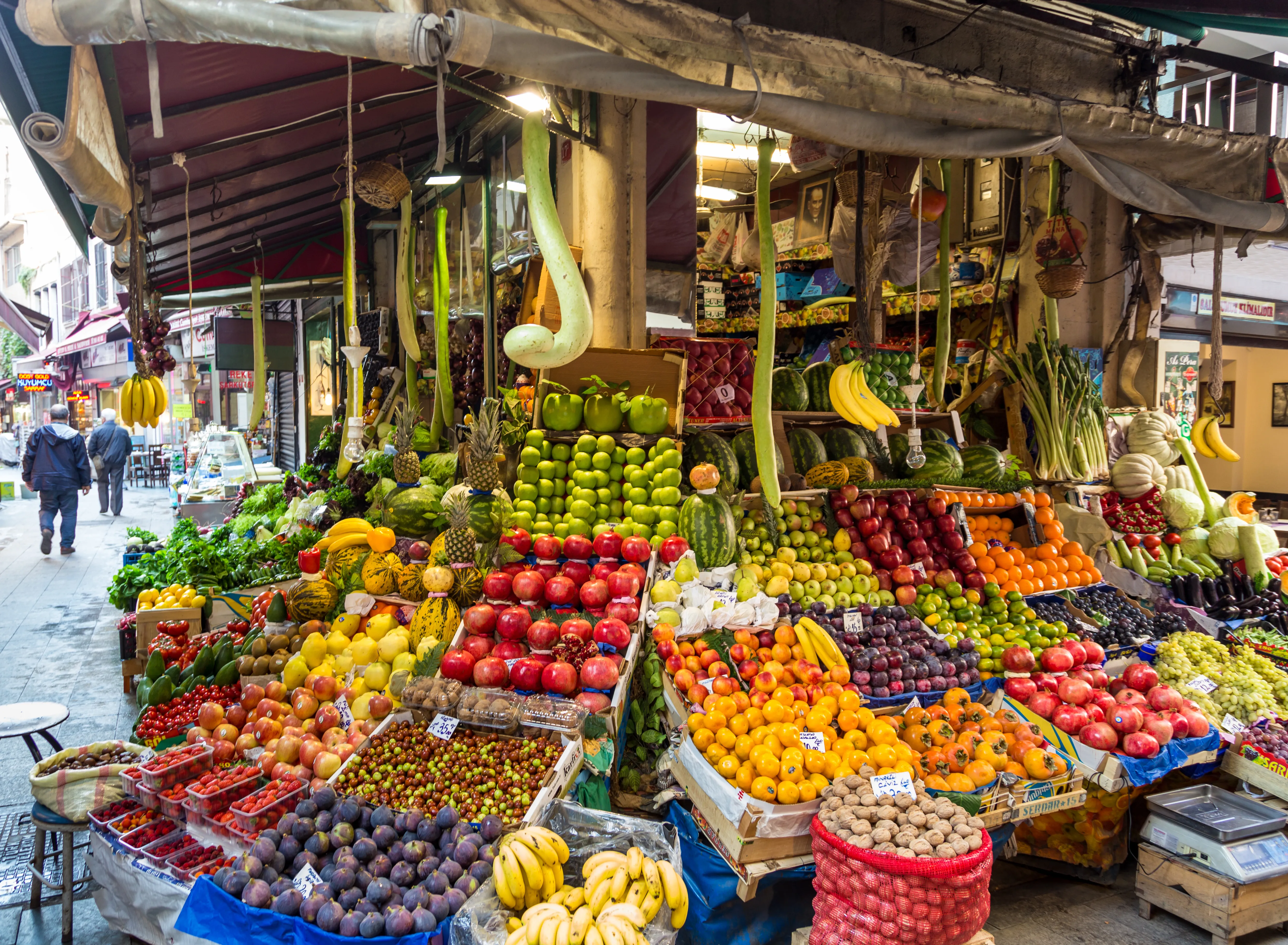
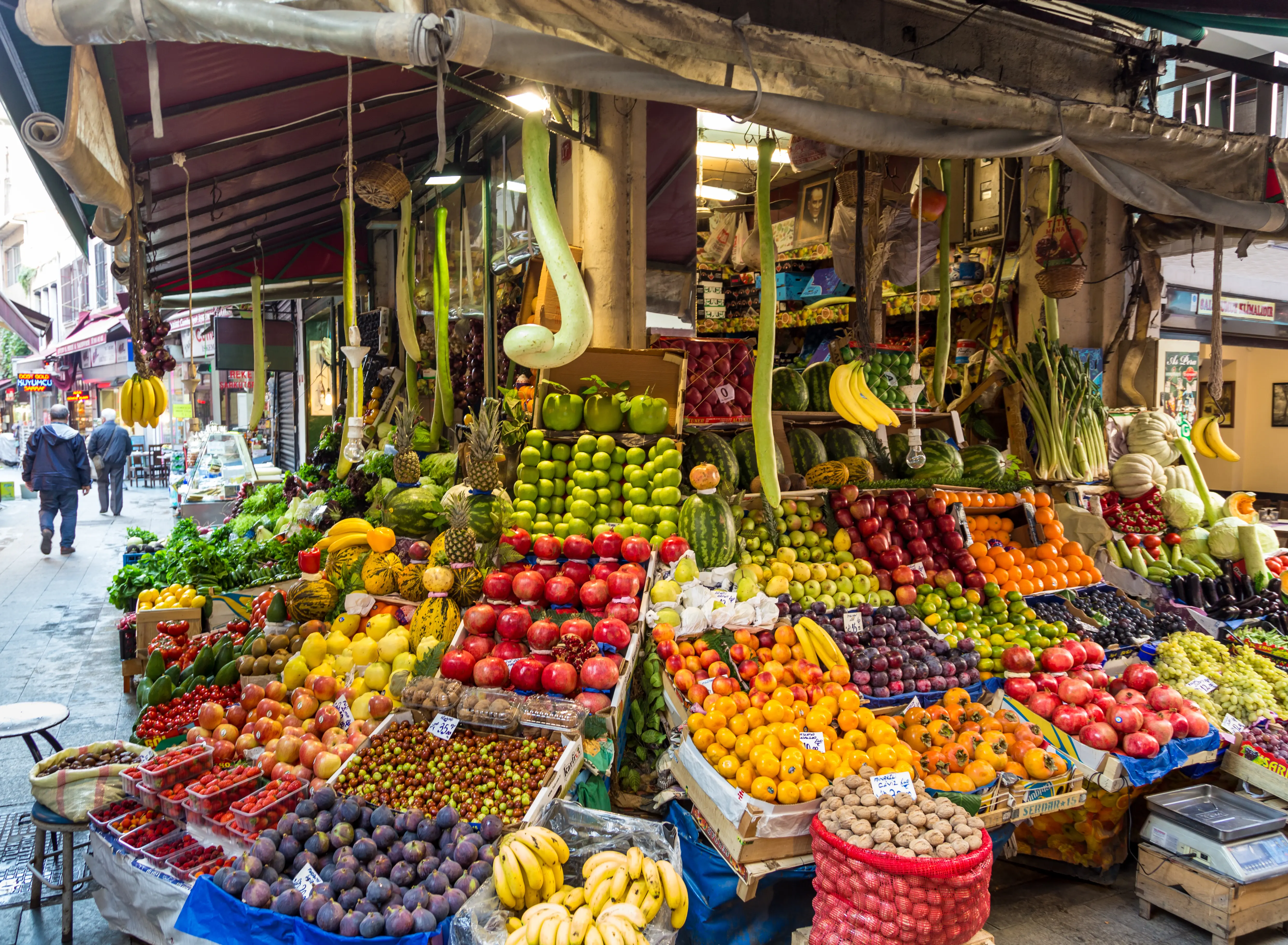
A typical neighborhood pazar on a Tuesday morning. Half the city shops this way.
Istanbul sells roughly three categories of food product. Things that are genuinely better here than anywhere else. Things that are the same as everywhere else but cheaper. And things that exist mostly to be sold to visitors with a suitcase. Most of the confusion in the bazaars comes from not being able to tell which is which.
Spices
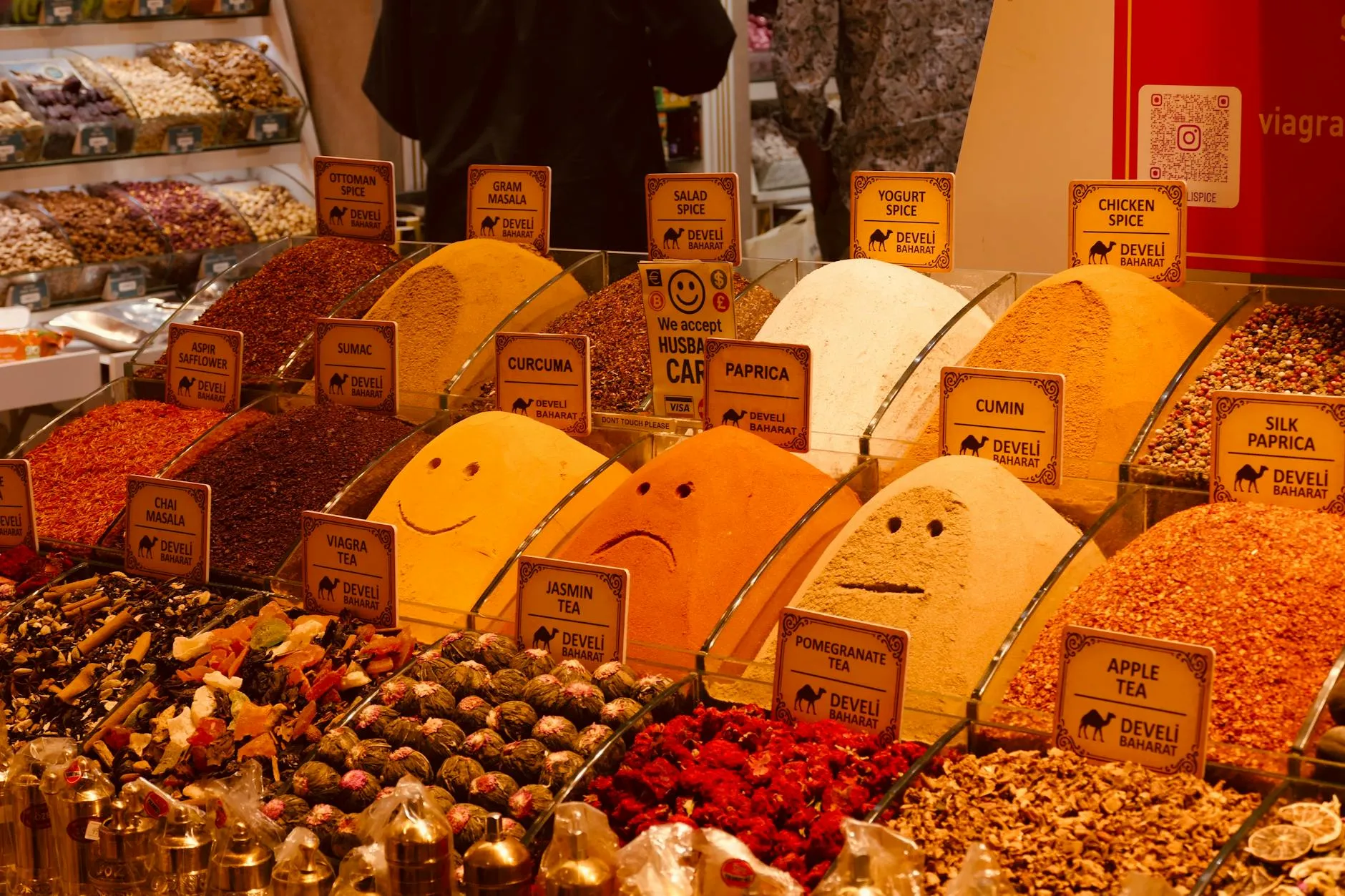
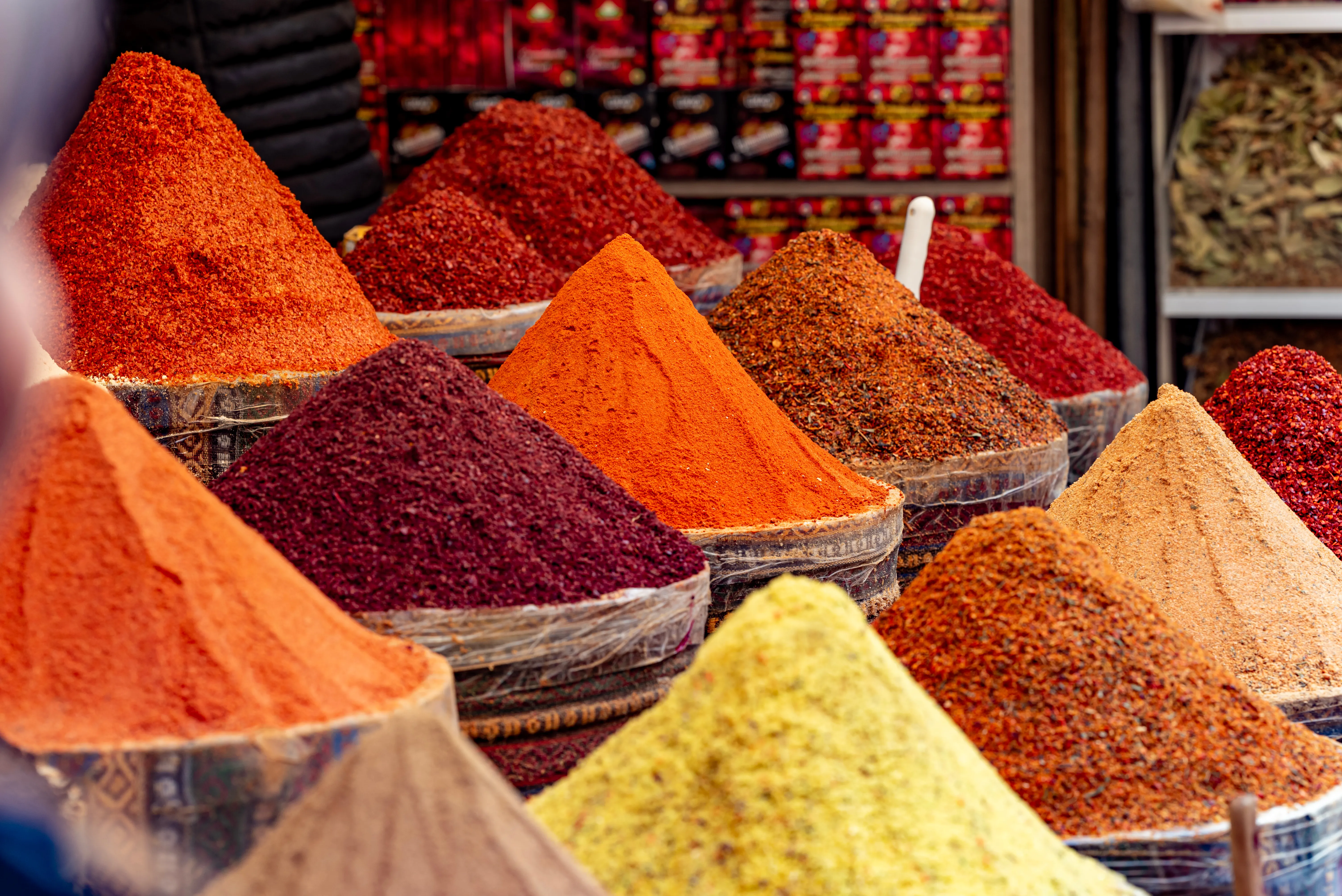
Spice Bazaar pigment piles. The ones at the back of the building are fresher and noticeably cheaper.
The spices worth buying in Istanbul are the ones that lose flavor fastest on the journey between source and shelf, which usually means anything sold in open piles rather than pre-packaged jars. The three I’d always bring home:
- Pul biber, the Turkish red pepper flakes, is the single best kitchen upgrade you can carry back. The good version is slightly oily to the touch, a deep red-brown color, and more fragrant than hot. A 200-gram bag runs roughly 80 to 120 lira. The dusty-red stuff in supermarket jars at home is a different product.
- Sumac should be dark, almost the color of dried blood. Anything that looks orange or pink has been cut. A 100-gram pack runs 40 to 70 lira.
- Urfa biber, smokier and almost raisin-like, rarely shows up at the Spice Bazaar because it’s regional. Better spice shops in Kadıköy stock it.
Saffron is the one spice I’d treat carefully. Real saffron is expensive everywhere and very hard to verify at a bazaar. If you want some, buy a tiny packet and test it at home. Real saffron releases color slowly and the threads stay red. Fake threads turn the water yellow in seconds. A pharmacy is often the more honest place to buy it.
Worth mentioning for the curious cook: Antep isot (a cousin of Urfa biber from Gaziantep), köfte baharat (a pre-mixed meatball blend), and whole fennel seed, which is flatly cheaper here than in most of Europe.
Turkish delight and sweets
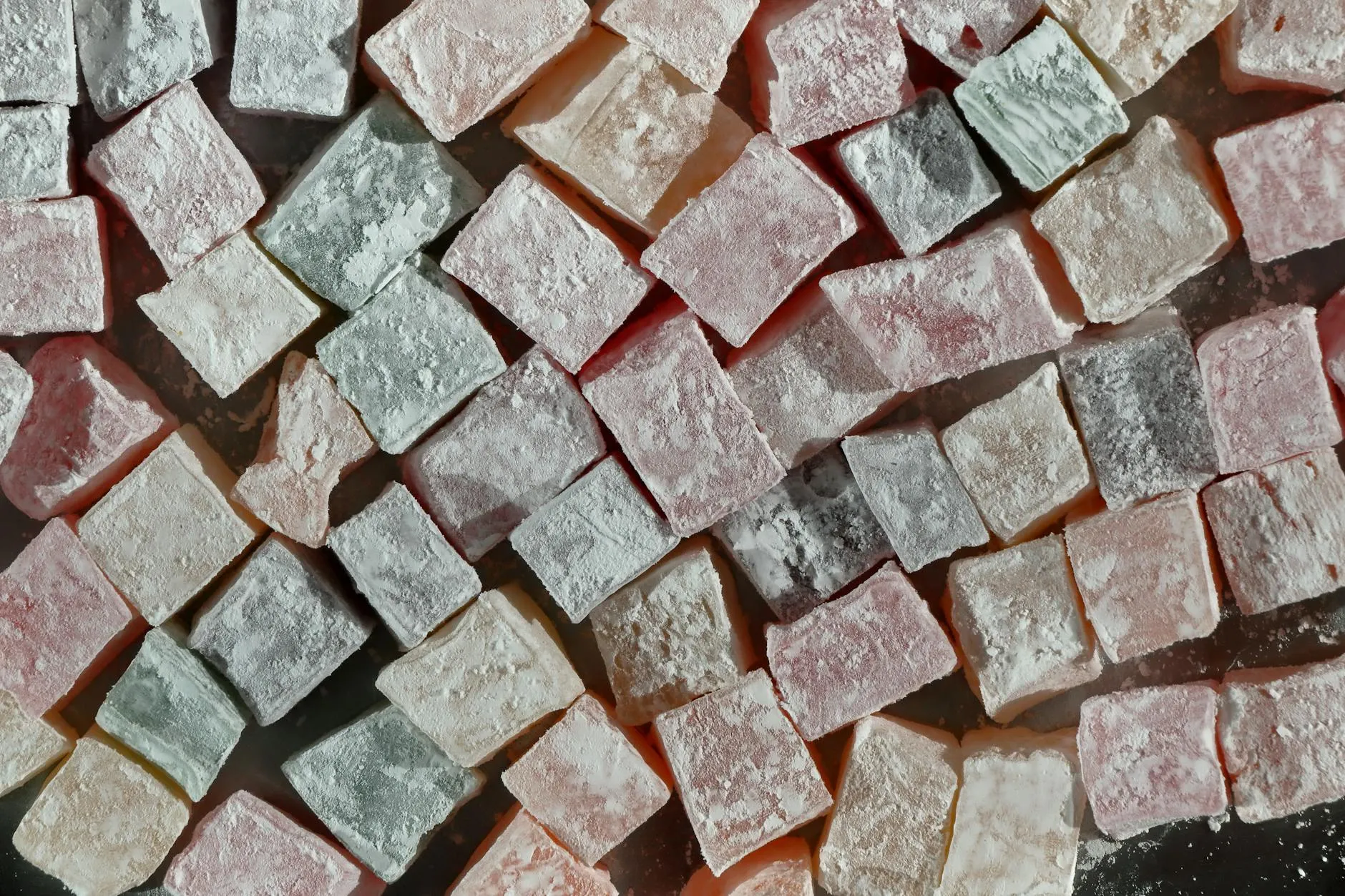
Real lokum softens under finger pressure. The shrink-wrapped airport-shelf kind does not.
A lot of visitors buy a box of lokum on day one and regret it by day three. The airport-shelf version is rubbery, heavy on starch, and tastes mostly of icing sugar. A good piece of lokum presses slowly under your finger and doesn’t leave a dust of fine sugar behind. If it snaps back like gum, it isn’t worth the suitcase space.
The best lokum I’ve carried home came from Şekerci Cafer Erol in Kadıköy, a confectioner that’s been in business since 1807. Five hundred grams cost me around 280 lira, roughly half the Sultanahmet tourist-shop price for a noticeably better product.
A few other sweets worth the space:
- Pistachio baklava from Karaköy Güllüoğlu, vacuum-packed to travel, about 500 to 700 lira per kilo.
- Akide şekeri (hard candy) from the old Kadıköy confectioners. Hard to find anywhere else.
- Helva, the sesame-paste and sugar slab, much better than the tinned export version. Buy it fresh-cut from a deli counter.
The pre-wrapped gift-box lokum piled up inside the Grand Bazaar gates is mostly packaging. Skip it.
Dried fruits and nuts
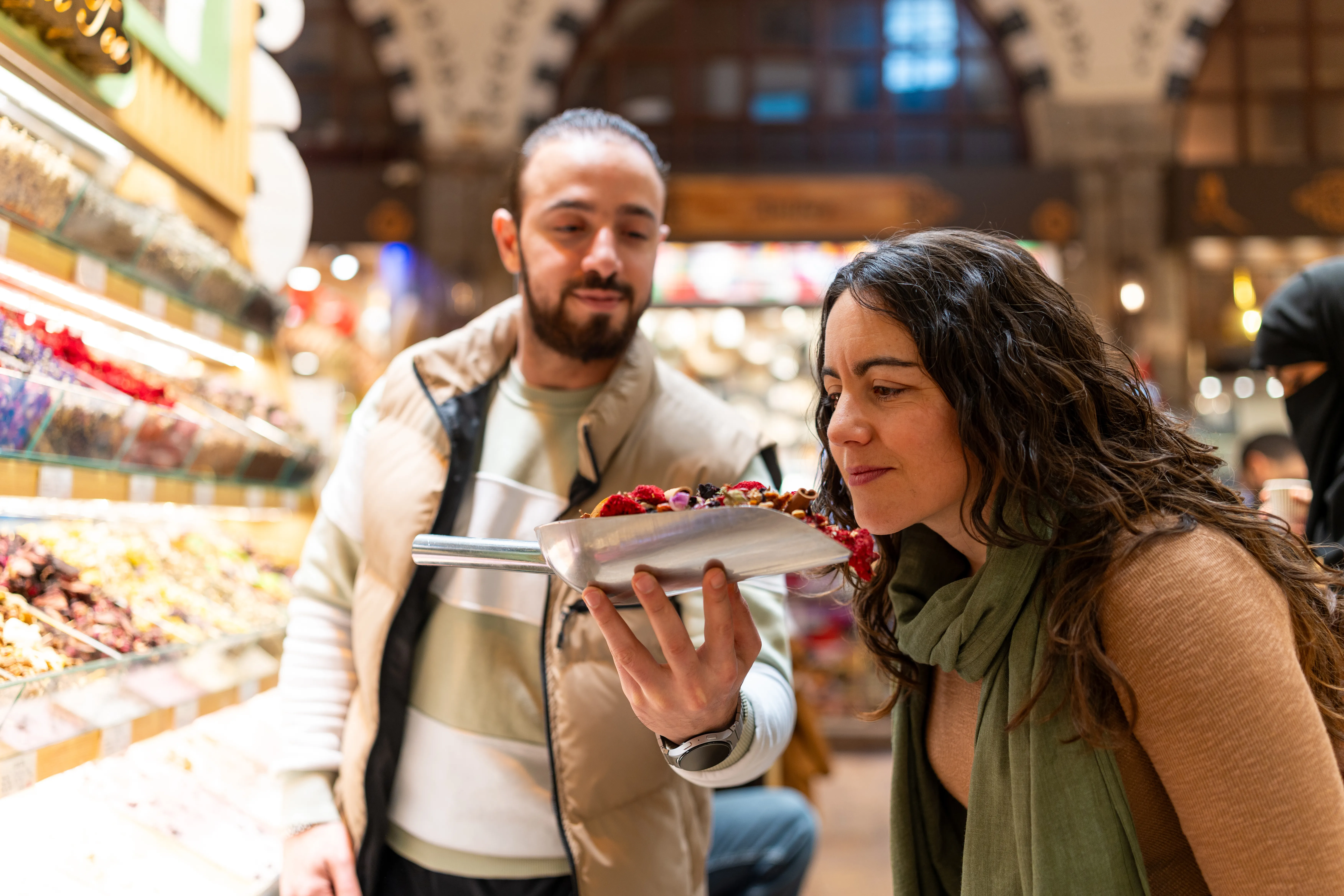
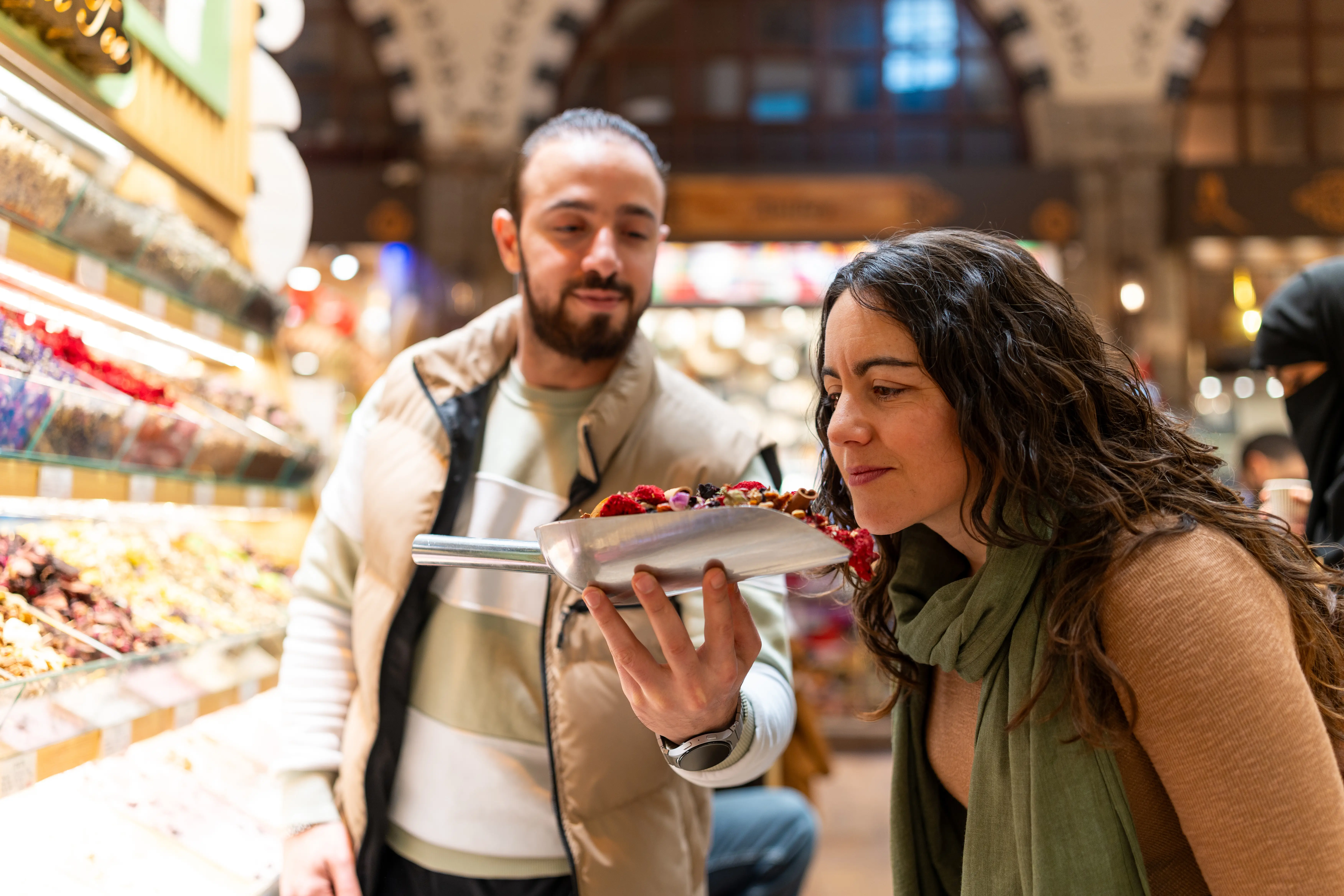
A good vendor offers a pinch to smell before you buy. Say yes, every time.
Anatolia grows some of the best dried fruit and nuts in the world, and the Istanbul prices reflect that, at least if you shop at the right stalls. Worth filling a bag with:
- Antep pistachios, the bright-green Gaziantep variety, 700 to 1,000 lira per kilo depending on grade. Unshelled is cheaper. Shelled travels better.
- Dried Aydın figs, sticky and almost caramel-textured, strung together in bundles, 150 to 250 lira per kilo.
- Malatya apricots, which are the apricots. The orange sulfured supermarket version is a different food.
Prices at the front of the Spice Bazaar are tourist-tier. Walk to the back of the building or cross the street to Malatya Pazarı, a shop on Tahmis Caddesi that supplies half of Istanbul. Same product, 30 to 40 percent less.
Tea and coffee
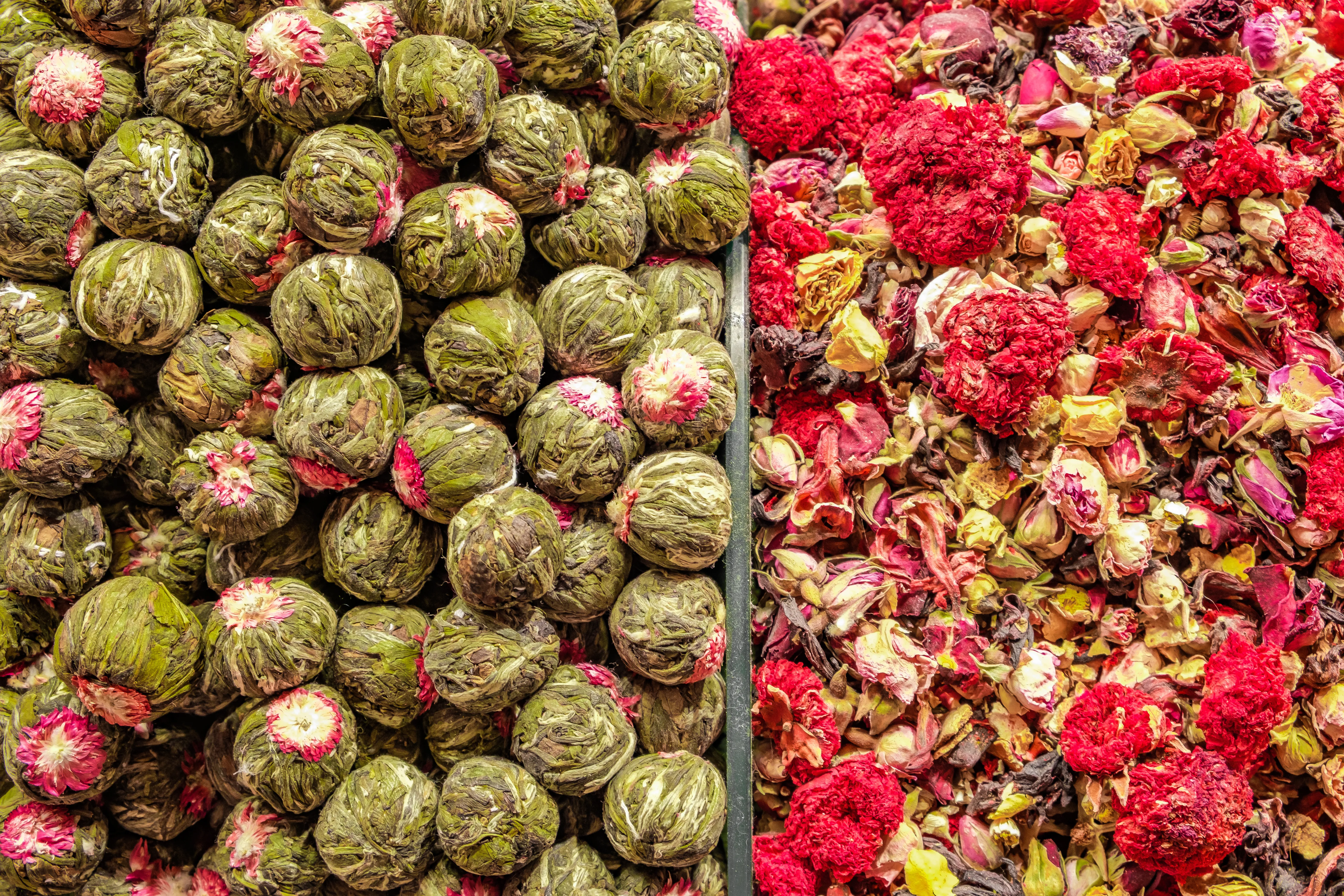
Bulk tea stalls. The tins are genuinely handsome; the novelty flavors mostly exist to be sold.
Loose-leaf Turkish black tea (Rize or Çaykur) is cheap enough at home that the only real reason to buy it in Istanbul is for the tins, which are genuinely handsome. A small tulip-patterned tin runs 80 to 150 lira and makes a very good gift.
Turkish coffee is a different story. Pre-ground Turkish coffee oxidizes fast, so by the time a supermarket bag reaches Europe or the States, the aroma is mostly gone. A freshly-ground 250-gram bag from Kurukahveci Mehmet Efendi, next to the Spice Bazaar entrance, is a different experience entirely. The shop has been grinding coffee since 1871. The line out the door does the quality control for you. Expect to pay 120 to 180 lira.
If you’re carrying home a cezve, buy whole beans and grind them yourself. The difference is noticeable.
Olive oil and local condiments
Turkish olive oil is good but rarely worth the suitcase cost, with one exception. Ayvalık oil, from the Aegean coast, has a grassier, more pepper-forward character than standard EU oil. A 250-millilitre bottle runs 150 to 250 lira and fits in hand luggage.
The condiments I actually carry back:
- Pomegranate molasses (nar ekşisi), the secret weapon of every decent Turkish salad, about three to five dollars a bottle.
- Red pepper paste (biber salçası), unbeatable for stews and marinades. Glass jars only. Plastic leaks on a plane.
- Pine honey (çam balı) from the Muğla region, unusual, savory-floral, and almost impossible to source abroad.
Kitchen utensils worth carrying home
This is where Istanbul earns your luggage allowance. The city has a 500-year tradition of metalwork, ceramics and knife-making, and the good workshops still operate in the same lanes they occupied in the 1700s. Most of them are not in the Grand Bazaar.
Copper cookware
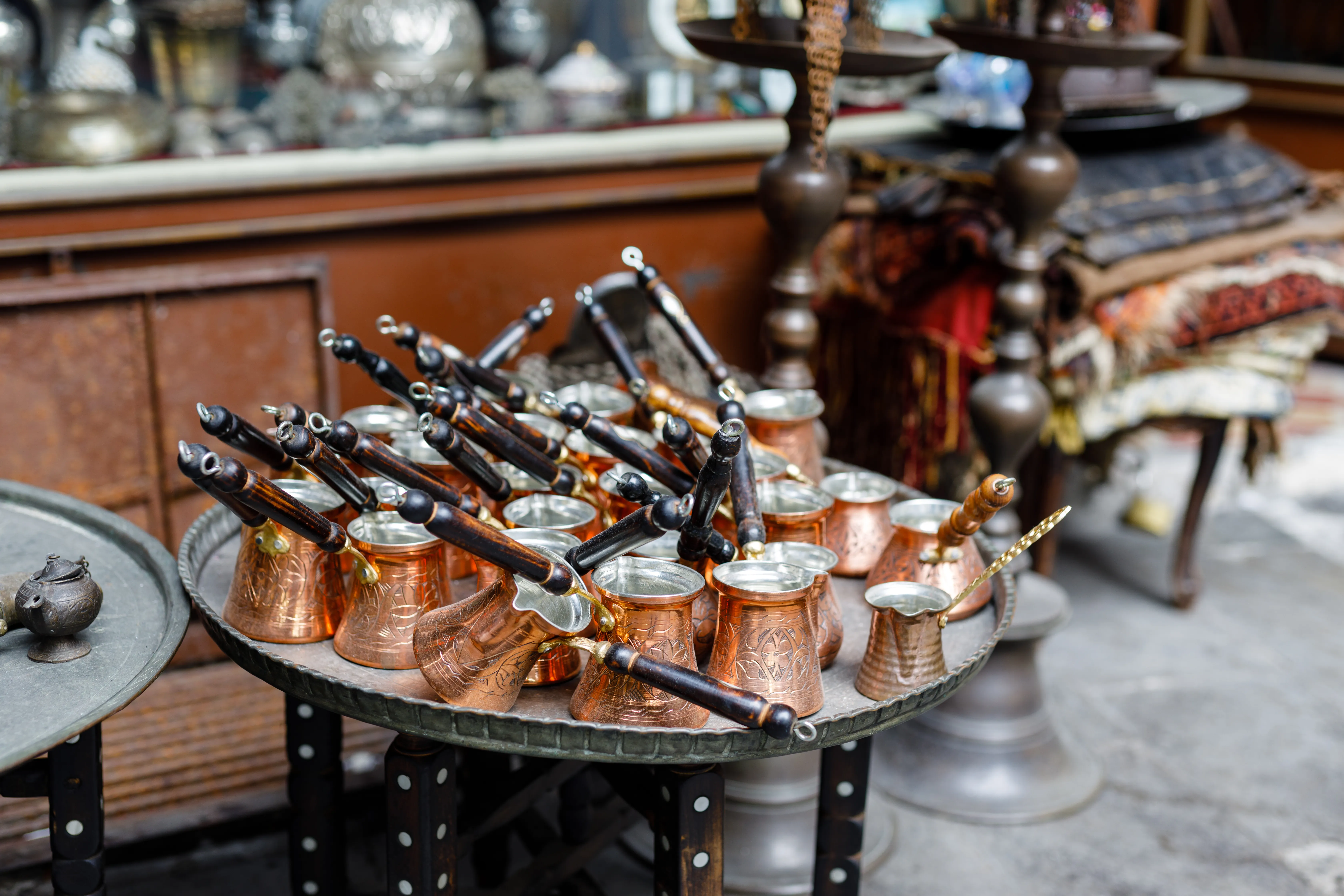
Hand-hammered copper. The dimples are irregular on real work, and the inside should be matte tin, not shiny stainless.
A proper Turkish copper pan is hand-hammered, tin-lined on the inside, and heavy enough that you notice when you pick it up. Raw copper reacts with acidic food, so every ten years or so the interior needs a new layer of tin. Any copper workshop will re-tin for you, so it’s a maintenance job, not a dealbreaker. A small sauté pan runs 1,200 to 2,500 lira. A nesting set of pots goes for 3,000 to 6,000. It’s expensive but it outlasts you.
The red flag for fake copper is that it’s shiny, suspiciously light, and the interior is a silvery stainless rather than matte tin. Those pieces are usually pressed brass with a copper wash, sold at the souvenir stalls near the cruise terminals. Hand-hammered copper has irregular, visible dimples on the outside. Machined copies have a repeating pattern.
The best prices in the city are in Tahtakale, the working-class bazaar behind the Spice Bazaar. Three or four multi-generational workshops still hammer copper in the back rooms of their storefronts. Prices here run 30 to 50 percent below the Grand Bazaar for the same grade of work.
Cezve (Turkish coffee pot)
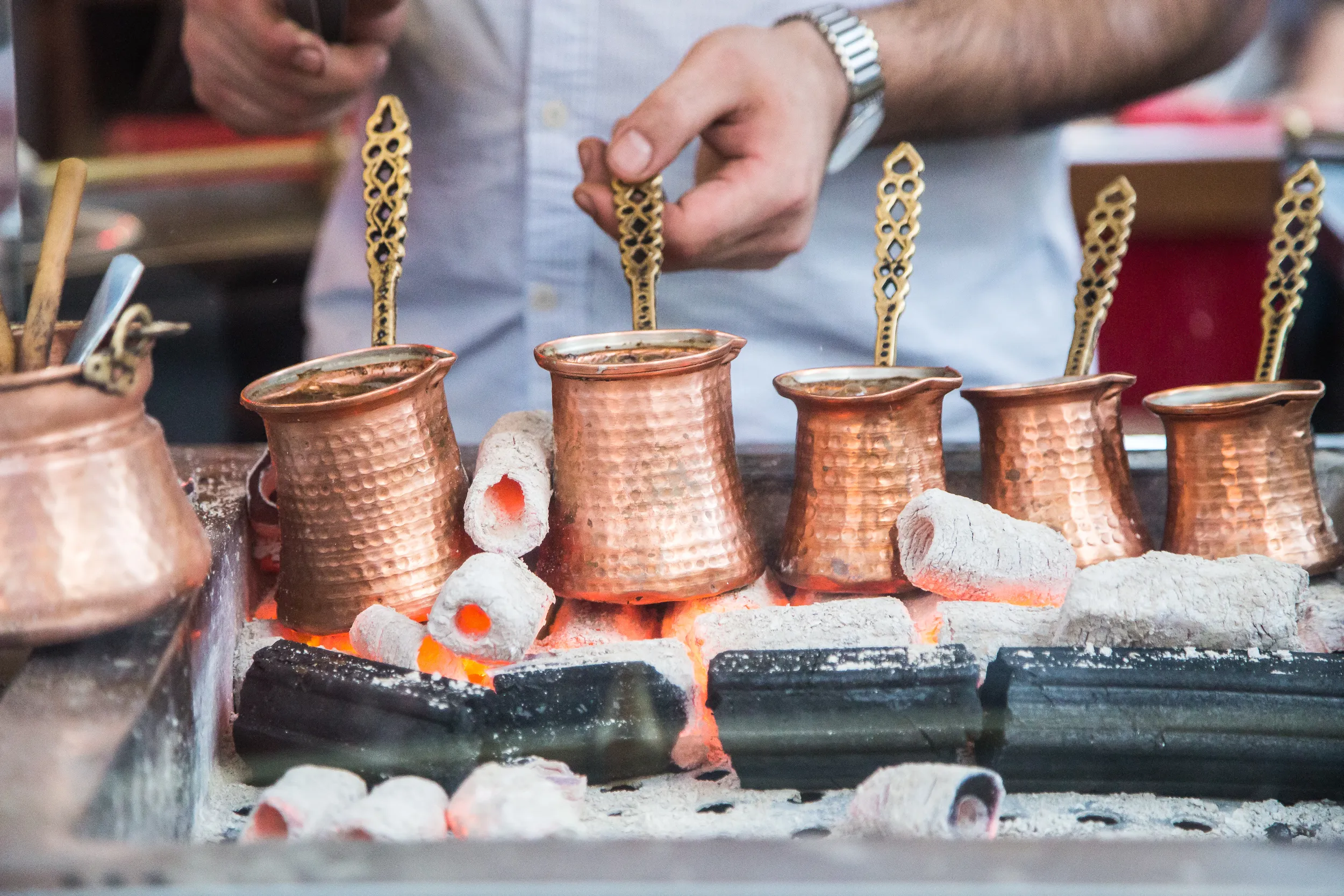
A three-cup cezve with tulip-handled cups. This is the souvenir that quietly outlasts everything else you buy.
The small long-handled pot for brewing Turkish coffee is probably the single best thing to bring home. A hand-hammered, tin-lined cezve from a real workshop will last a generation. Sizes are graded by how many cups it brews. A three-cup, which handles two servings comfortably, is the most useful size. Expect to pay 400 to 700 lira for something decent.
Skip the brightly-painted cezves at the Grand Bazaar. Those are gift-shop objects, not cookware.
Tea glasses, trays and the ritual setup
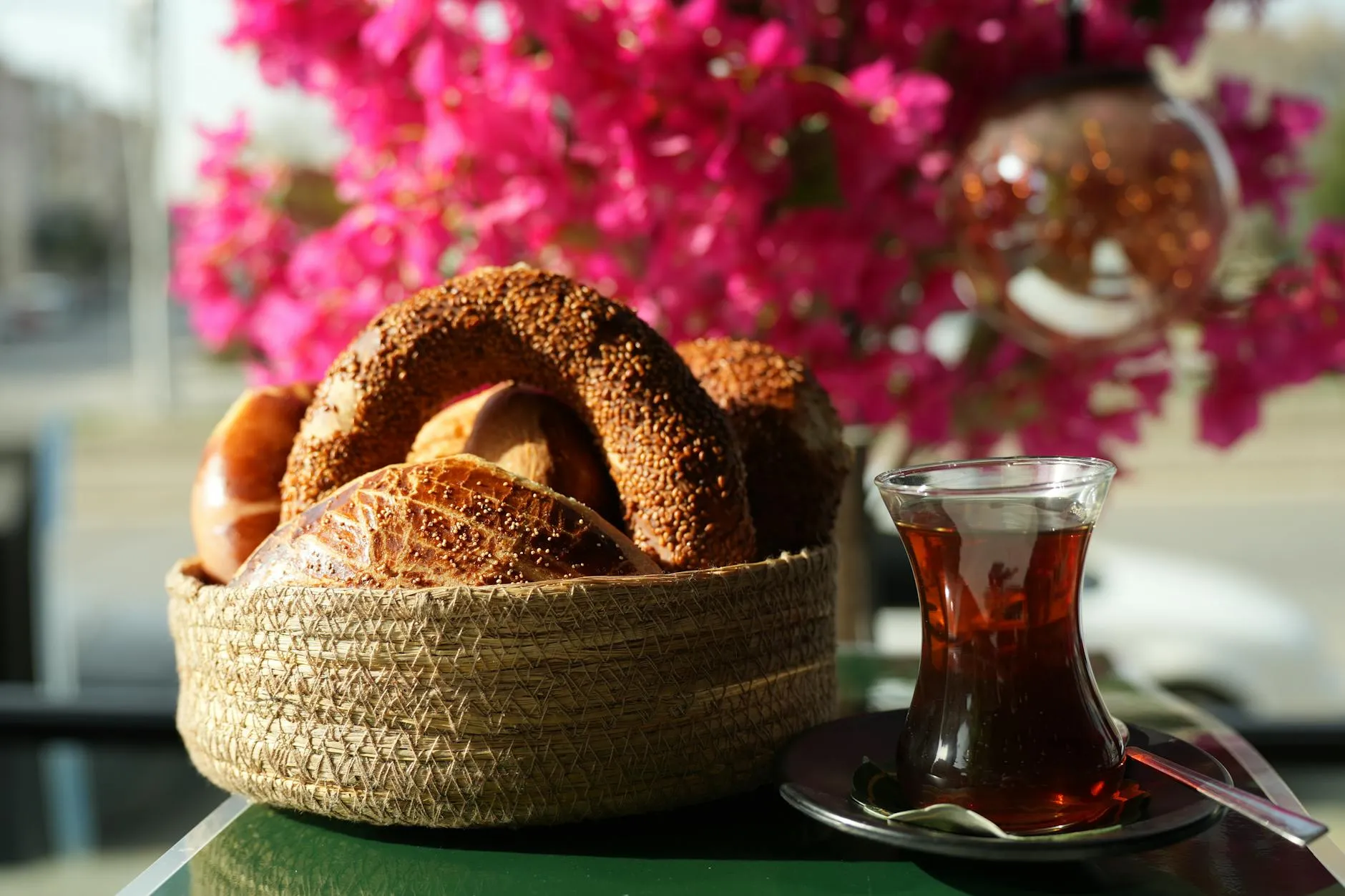
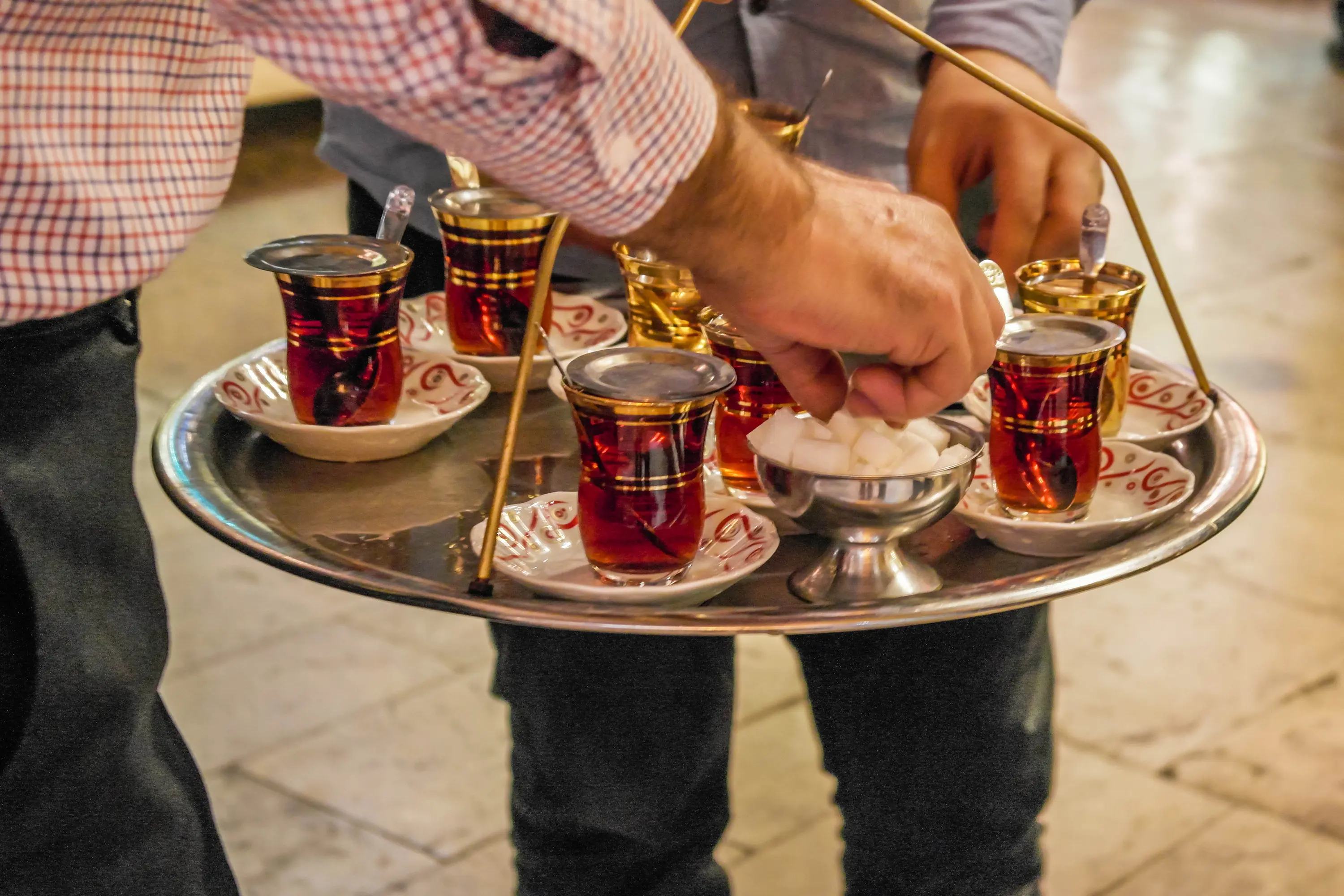
The daily-life combination this entire tea-glass-set category is built around.
Turkish tea comes in small tulip-waisted glasses with saucers. A set of six costs 200 to 400 lira depending on whether they’re plain, gilt-rimmed, or hand-painted. The gilt rims look cheap in photos and good in person. A matching tray (etched silver-tone metal) runs 300 to 600 lira and is larger than it appears on the shelf.
If you buy glasses, pick up the small tea spoons too. They’re a specific shape, cheap in Istanbul, and strangely hard to find elsewhere.
Handmade knives
The best Turkish kitchen knives come from Sürmene, a village on the Black Sea coast. Certain shops in the Grand Bazaar and in Tahtakale carry them. Look for a full-tang blade, a solid brass rivet through the handle, and real hardwood (walnut or olive) rather than laminate. A practical chef’s knife runs about 600 lira. Presentation pieces climb to 2,500 and up.
Do not put handmade knives in carry-on luggage. This should be obvious, and every year someone learns it at a checkpoint anyway.
Wooden spoons, cutting boards and small items
Olive-wood kitchen tools are one of Turkey’s sneakiest good exports. Cheap (80 to 200 lira per piece), durable, and several times the price in Europe and the States. Worth stocking up on: long-handled cooking spoons, wooden mortars for crushing garlic, and the small wooden cups that show up on Turkish coffee service trays.
Where to shop
Not every Istanbul market is worth the same visit. A rough hierarchy:
Spice Bazaar (Mısır Çarşısı)
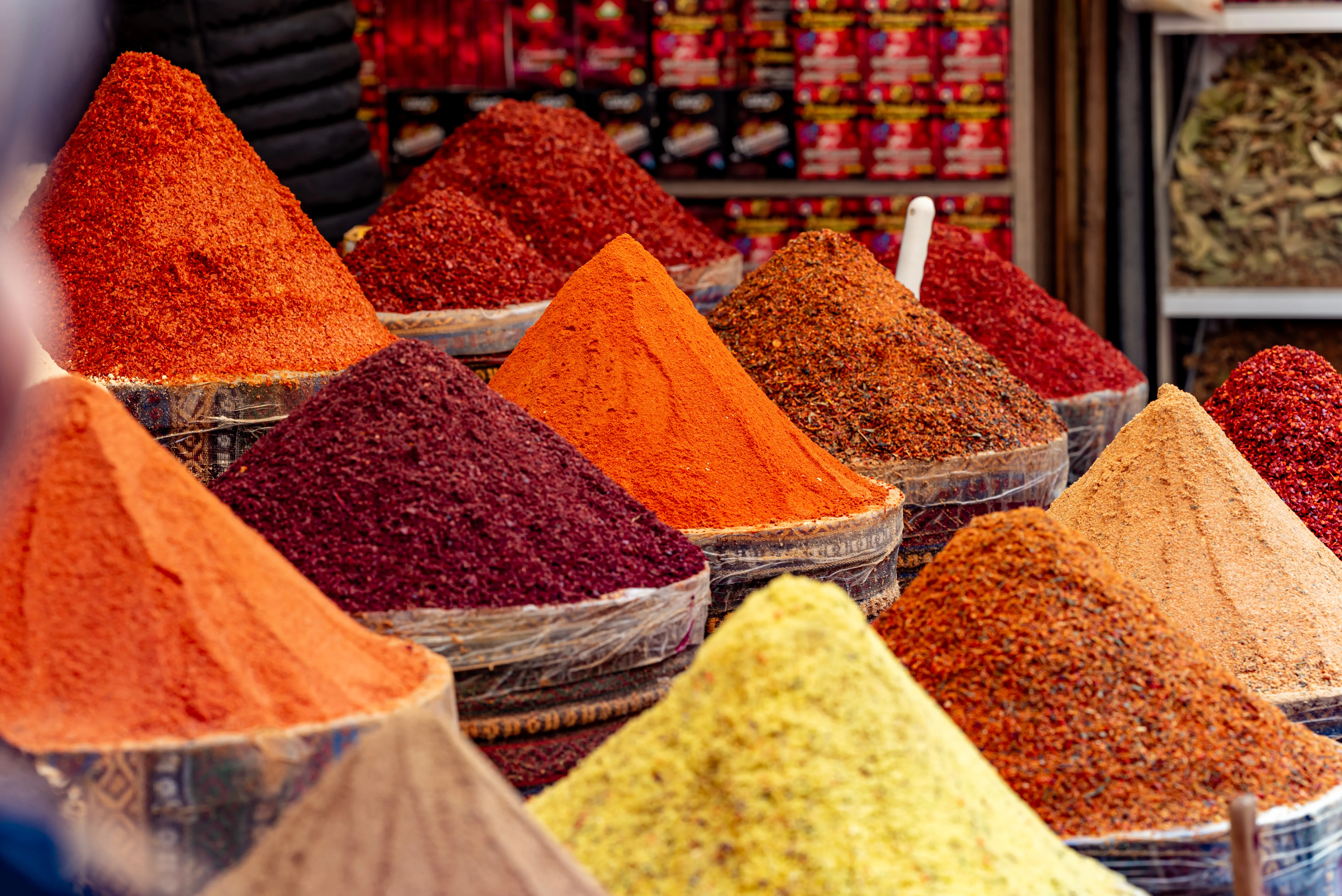
Spice Bazaar stalls photograph well. Buying well is a different question.
This is the photogenic one. It’s where you find spices, teas, dried fruits, lokum and Turkish coffee, and it’s also where the tourist tax is most obvious. Stalls at the front entrance run 30 to 40 percent above the stalls at the back, selling the same product. The smart move is to walk the whole bazaar before buying, then either shop the back stalls or step out to the streets behind the building (Hasırcılar Caddesi is especially good). The atmosphere is loud, aggressive, and enjoyable if you’re in the mood. Our Eminönü food guide covers how to build a morning that includes the bazaar without getting stuck in it.
Grand Bazaar (Kapalıçarşı)
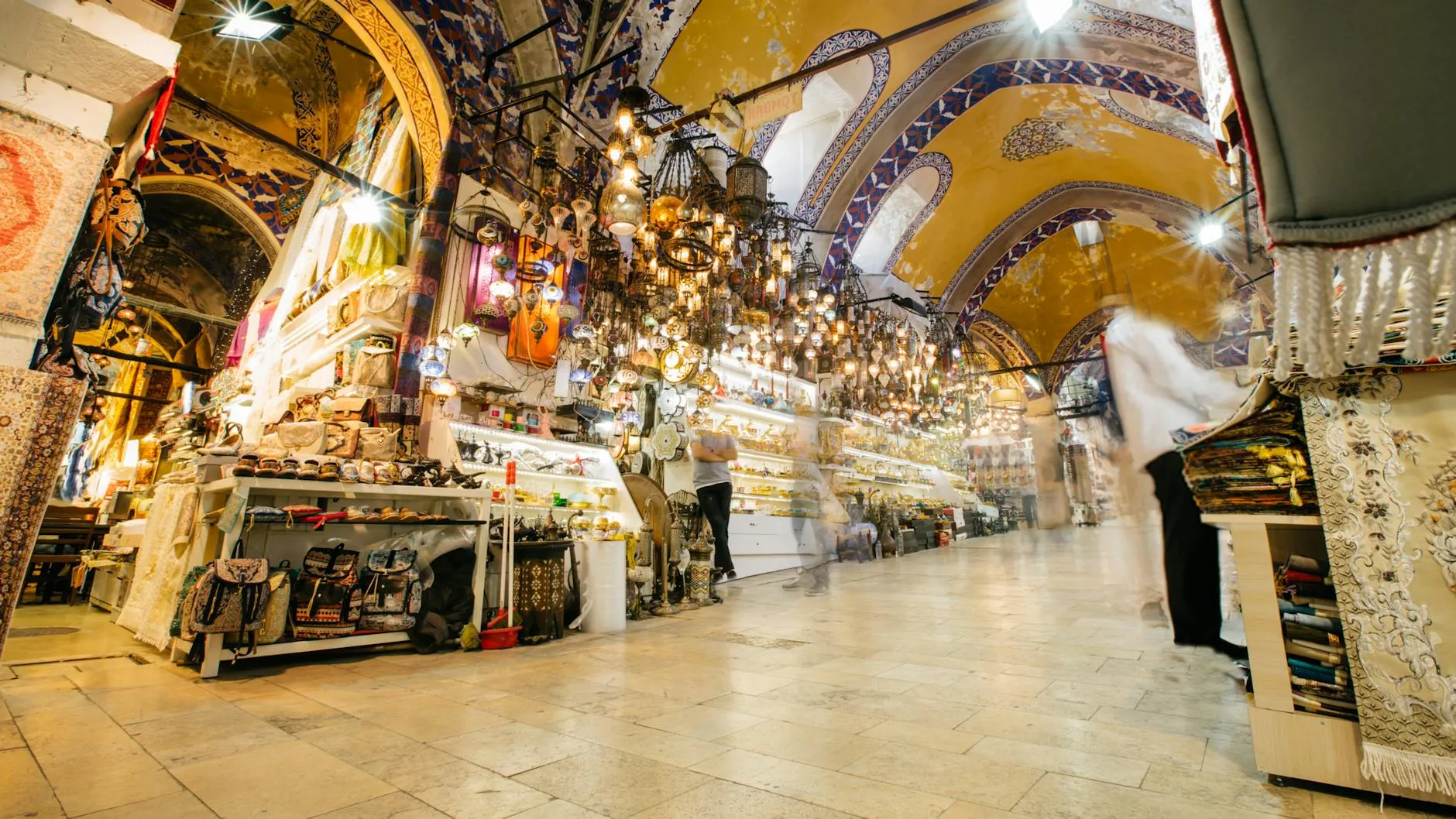
Kapalıçarşı, the Grand Bazaar. A museum-grade interior attached to about four hundred shops that mostly sell things you can buy better elsewhere.
The famous one. It’s set up for jewelry, leather, ceramics, rugs and several hundred shops selling variations on “Turkish handicraft” that are often imported from further east. For food and kitchenware, the Grand Bazaar is fine but overpriced. You’re paying a share of the rent on one of the most photographed buildings in the world. The most useful way to use it is as a kind of museum. Walk it for an hour. Learn what real ceramics and real carpet look like. Then go buy those things elsewhere.
Eminönü and Tahtakale
The honest one. The streets behind and uphill from the Spice Bazaar are where Istanbul’s working kitchens, small restaurants and market stalls get their hardware, copper, cookware and bulk spices. There’s no performance for tourists here. The lanes are narrow, crowded and loud. If you care about serious cookware, this is where you go. Five minutes’ walk north of the Spice Bazaar puts you in the middle of it.
Kadıköy markets (Asian side)
The food-quality one. Fresh produce, cheese, deli counters, legacy confectioners and a denser concentration of spice shops than the European side. Kadıköy’s weekly pazars and permanent market streets have the feel of a city shopping for itself, not for visitors. The Kadıköy food guide maps the neighborhood in detail. Worth pairing with a lunch at Çiya Sofrası if you’re already on the ferry.
Neighborhood pazars
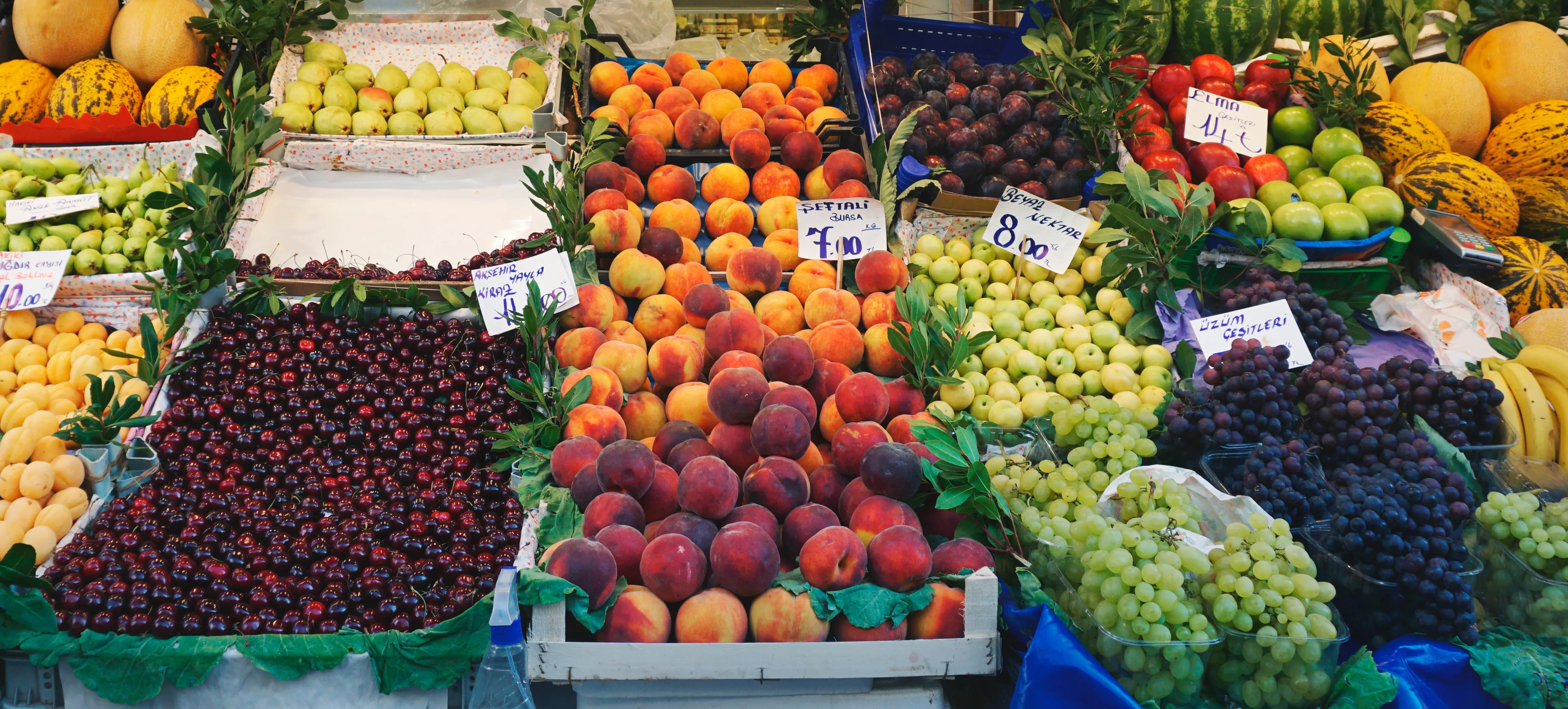
A neighborhood pazar. Half the price of anywhere indoors and invaluable if you have a kitchen.
Every Istanbul neighborhood runs a weekly open-air market (Pazar Yeri in Beşiktaş on Saturdays, the Moda pazar in Kadıköy on Tuesdays, and so on through the week). Fruit, vegetables, cheese, olives and fresh pickles run half the price of anywhere indoors. Not useful if you’re flying out in two days. Invaluable if you have access to a kitchen.
Specific shops worth the trip
- Kurukahveci Mehmet Efendi, Eminönü. The coffee, since 1871. The line out the door is a feature, not a problem.
- Malatya Pazarı, Tahmis Caddesi near the Spice Bazaar. Dried fruits and nuts, grade-A, wholesale-adjacent pricing.
- Şekerci Cafer Erol, Kadıköy. Confectionery since 1807. Lokum, akide şekeri, marzipan. They ship internationally.
- Karaköy Güllüoğlu, Karaköy waterfront. Baklava, vacuum-packed for 48 hours of travel. See the Karaköy food guide for context.
- Çadırcılar Caddesi, just outside the Grand Bazaar. The copper workshop street. Walk the whole lane before buying. Quality and prices vary widely.
- Hasırcılar Caddesi, behind the Spice Bazaar. The wholesale spice street. Buy your kilo of pul biber here, not inside the bazaar.
None of these are secrets. That’s part of what makes them reliable.
Practical tips
Bargaining is expected at the bazaars and not at specialty shops. A spice vendor at Mısır Çarşısı will haggle. Kurukahveci Mehmet Efendi will not. Read each shop on its own.
The first price quoted at a bazaar is roughly 1.5 to 2 times the real one. Counter with 60 percent of the ask and meet somewhere in the middle. Walking away is a legitimate part of the process. They’ll often call you back.
Check three shops before committing. Spice prices in particular swing up to 40 percent across the same bazaar.
Cash tends to get better prices than card, and several Tahtakale shops are cash-only anyway. Keep small bills on hand.
Any serious spice or coffee shop will vacuum-seal your purchase for travel. Ask. It’s usually free.
For bulky items like copper pans, trays or rugs, most established shops offer international shipping. Get a written receipt with the shop’s name, stamp and tracking number before paying. The reputable shops handle shipping routinely. The others lose packages.
Know your home country’s customs rules before buying kilos of things. The US, UK and most of Europe are fine with dried fruit, spices, candy, tea and coffee. Meat products such as sucuk and pastırma are generally not allowed. Check before, not at the airport.
A short closing thought
The best purchases I’ve made in Istanbul are the boring, useful ones. A copper cezve from 2019 that still makes my coffee. Six tulip tea glasses that have become three after breakages, which I haven’t bothered to replace. A kilo of pul biber from Hasırcılar that’s almost gone, which means I’ll be back.
Shop for the kitchen you actually have, not the one you picture yourself having on the plane home. That version tends to disappear by the second week back.
If you want to build a shopping day into a trip, Tahtakale in the morning for hardware and copper, Spice Bazaar in the afternoon for edibles, ferry across to Kadıköy for dinner. Our self-guided Istanbul food tour follows a similar arc. Bring a second bag.
Keep reading
This is an editorial review. Some links on this page are affiliate links. If you book through them we may earn a small commission at no extra cost to you. It never changes which tours we recommend.